

Four things 24‑hour monitoringchanges about a break‑in:

Who is awake when your alarm goes off?
Two packages. The difference is how quickly a silent fault is noticed.
Both connect your alarm to the same Grade A1 control room and the same response procedure. With the NBN rollout, a monitored alarm needs an added device to keep reporting, and the NBN‑ready package uses it to test the connection every hour instead of every twelve.
Grade A1 response, with a test signal every 12 hours.
The alarm reports to the control room over its existing path and proves the connection twice a day. Every activation is handled by the on‑duty officer to your recorded instructions, power and battery faults are reported, and most existing Bosch, NESS, Paradox, DAS, Hills and Honeywell systems can be connected without replacing the panel.
Request this packageGrade A1 response, with a test signal every 60 minutes.
An NBN‑ready communicator keeps the alarm reporting after the copper line is gone and sends a test signal every hour, so a fault, a cut line or an interruption is detected sooner. We recommend it for premises holding high‑value stock or items, and for any site where a silent alarm for twelve hours is a risk you would rather not carry. Maintenance can be added for $15 a month.
Request this packageEight things that happen between the alarm tripping and the patrol arriving.
Monitoring is a procedure, not a phone line. What is written on your account, how the alarm is verified, who is called in what order and what the operator is allowed to authorise decide whether an activation ends in a patrol at the door or a siren nobody acted on. Open each item to see how it works.
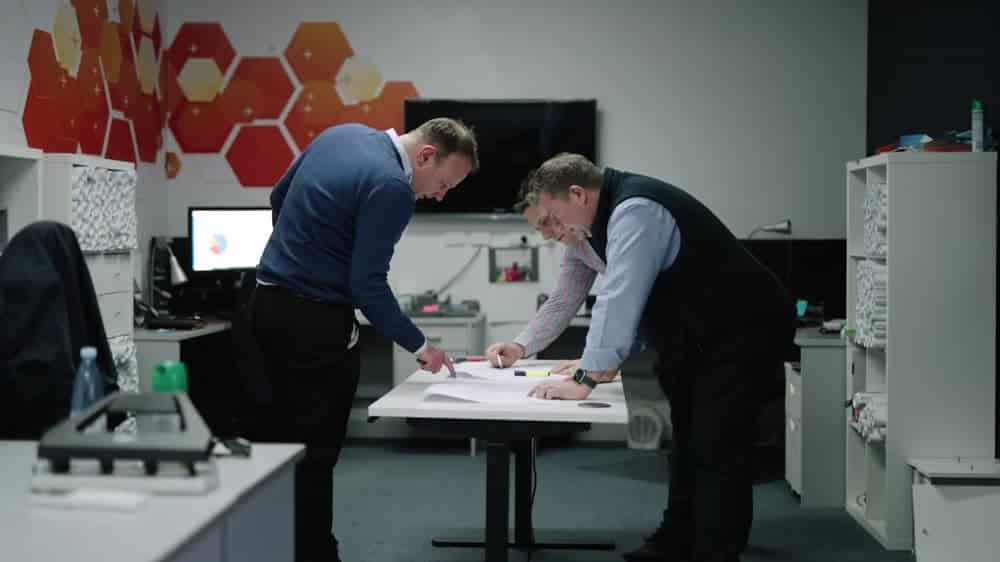
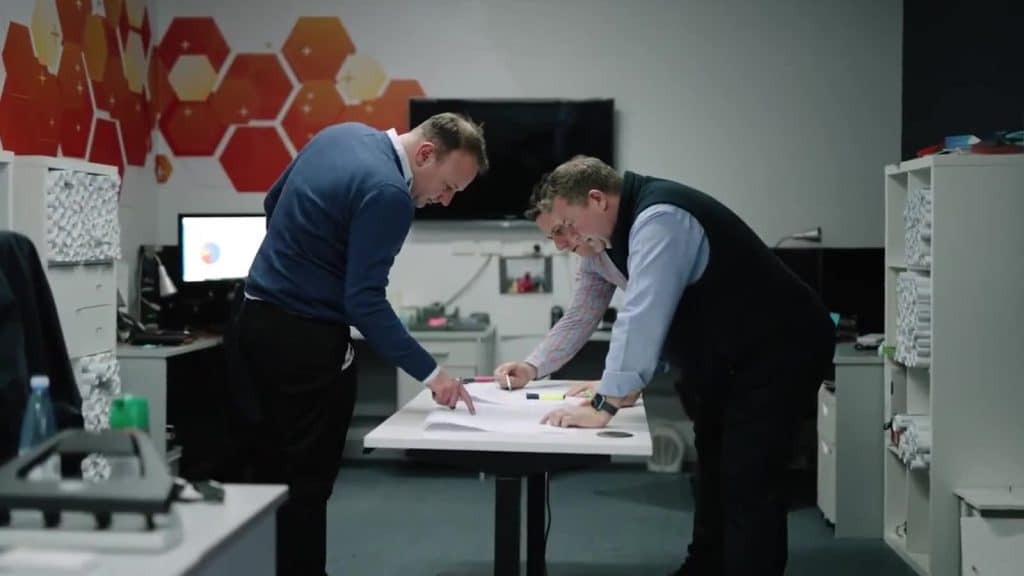
Every monitored site has response instructions recorded on its account, and the on‑duty officer must follow them. Eclipse writes them with you: the contact list and the order it is called in, the password each keyholder gives to prove who they are, whether the operator may dispatch a patrol without waiting for a keyholder, which zones are hold‑up or duress and get priority, what to do about an alarm during trading hours, and any site hazards a patrol should know about. The instructions are reviewed whenever staff change and at least once a year.
On the account: contact list and order · keyholder passwords · patrol authority · priority zones · trading‑hours rules · site notes
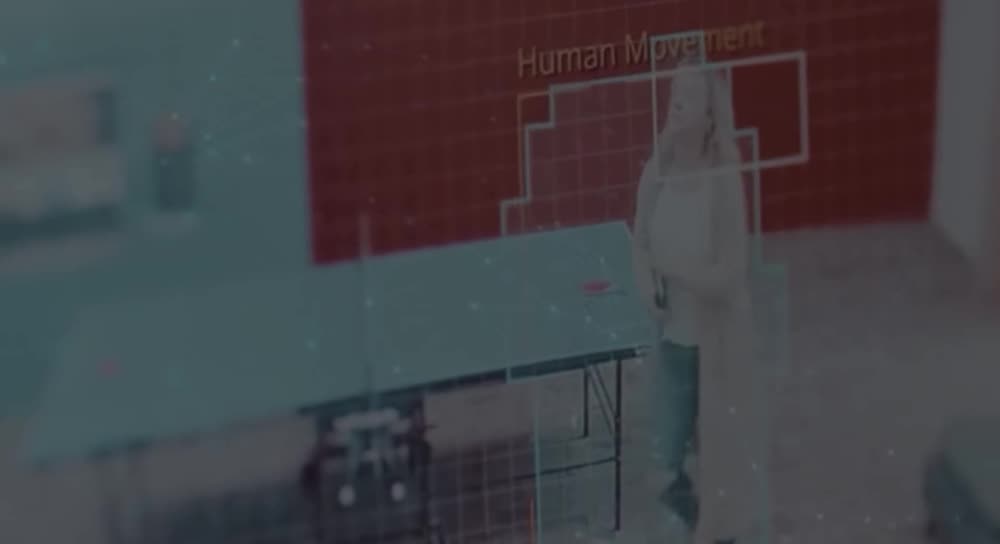
When a zone trips, the signal reaches the control room within seconds with the account, the zone and the time. Police will not attend unverified alarms, so on a smart alarm the operator or the client verifies it first: a second zone tripping in sequence, a camera linked to the zone showing a person, an image from a camera detector, or a keyholder confirming nobody should be on site. A verified alarm gets the police response an unverified siren never will; an unverified one still gets a keyholder call and, if you have authorised it, a patrol.
Verification: sequential zones · linked cameras · camera detectors · keyholder confirmation · control room assessment
Cameras that verify alarms
The officer contacts the people on your list, in order. The first person reached gives further instructions: ignore the alarm because it was accidental, dispatch a patrol to inspect the premises if a break‑in is suspected, or contact the police for an alarm verified by the control room or by you. Patrols inspect, secure and report back; police are given the verified event and the keyholder on their way; and the operator stays on the event until it is closed and recorded on your account.
Outcomes: stand down an accidental alarm · patrol to inspect and secure · police to a verified alarm · event closed and recorded

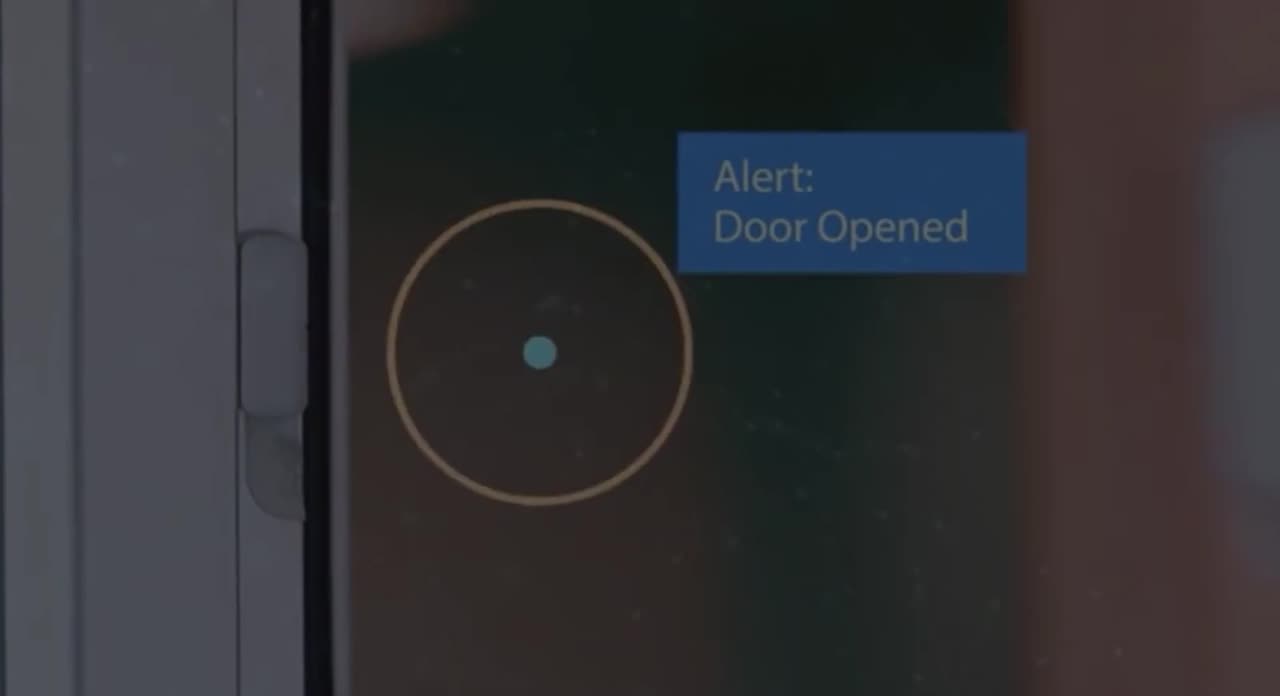
A monitored alarm sends a test signal on a schedule, every 12 hours on standard monitoring and every 60 minutes on NBN‑ready monitoring, and a missed test is itself an event the operator acts on. The control room also receives mains‑failure and backup‑battery faults, line and tamper conditions and late‑to‑close reports, and passes faults to our dedicated service department, which contacts you and arranges a technician, so the problem is fixed before the night it matters.
Supervised: hourly or 12‑hourly test signals · mains failure · backup battery · line and tamper · late to close
Maintenance and repairsWith the rollout of the NBN, a monitored alarm that dialled out over the phone line needs an added device to keep monitoring working. Eclipse fits NBN‑ready communicators to new panels and to existing Bosch, NESS, Paradox, DAS, Hills and Honeywell systems, and to many more, then tests the new path with the control room on both legs before the old one is retired. Most alarm systems can be serviced and switched to our monitoring service without replacing the panel.
Connected: Bosch · NESS · Paradox · DAS · Hills · Honeywell · and many more
Alarm systems and communicators
The same account can carry events that need a different response from an intruder zone: a hold‑up or duress alarm is treated as a priority with no call to the premises, a fog deployment is followed by a patrol to meet police, a car park help point is answered by the operator with the camera on screen, and smoke, flood or temperature zones go to the contacts you nominate. Each event type has its own instructions on the account, written with you so the operator never has to guess.
Event types: intruder · hold‑up and duress · fog deployment · help points · smoke, flood and temperature · access control alarms
Fog security and verified response
Where cameras are linked to the alarm, the operator sees the scene behind the activation: a person in the warehouse, a car at the gate, or a bird in the roller door. That decides whether a patrol is sent, whether police are called and whether a keyholder is woken, and it gives you the footage police and your insurer want. Remote CCTV monitoring can also be scheduled as virtual patrols of high‑risk sites after hours, with operators checking cameras at set times rather than waiting for a trip.
Read: CCTV Monitoring in Australia · Remote CCTV Monitoring, a practical guide
How operators assess and respond to eventsOpen and close reports show who armed and disarmed and when, event histories show every activation and what was done about it, and the customer portal gives you secure access to your system information, monitoring details, service requests and account management. Contact lists, passwords and instructions are updated through the service department with a verified request, and relocating or expanding businesses have monitoring transferred to the new premises with no gap at either address.
Available: open and close reports · event histories · customer portal · verified instruction changes · transfers on relocation
The grades, standards, memberships and licences behind the service.
Monitoring is only as good as the control room, the technicians and the procedures behind it. These are the accreditations Eclipse holds or operates under, and what each one means for you when the alarm goes off.
Grade A1 is the highest grade awarded by ASIAL, the Security Industry Association, to a monitoring control room. It means the control room that handles your alarms has been inspected and found compliant, with the staffing, redundancy, security and procedures the grade requires, and that an on‑duty officer is there to follow your instructions 24 hours a day.
The Australian Standard for monitoring centres in the intruder alarm series. The Grade A1 inspection confirms compliance with AS 2201.2 (2004), which is the standard insurers and the police recognise when a policy or a response depends on a monitored alarm.
The systems that report to the control room are installed and maintained to Australian Standards, with preventive maintenance agreements keeping alarm and CCTV systems compliant over their life, so the alarm that calls the operator is one that was designed, commissioned and serviced to the same standard the control room is held to.
Eclipse Security Systems is a member of ASIAL, the Australian Security Industry Association, the body that grades monitoring centres and sets the professional standards the industry works to. Membership carries a code of professional conduct and keeps the business current with licensing, standards and regulation as they change.
The Work Place Clearance Group is the joint venture of bp, Ampol and Viva Energy that trains and accredits contractors to work on their service station and fuel facilities. Eclipse holds WPCG accreditation, which is why fuel retailers such as BP and Liberty Oil can have our technicians on site, inducted, cleared and working to the permit system those sites require.
The technicians who install, commission and service monitored systems are licensed and certified, employed by Eclipse rather than subcontracted, and receive continuous training across the alarm, camera, access and intercom brands we support. New team members complete a full induction before they visit a site.
Monitoring built for the network Australia now runs on: an added communicator keeps alarms reporting after the copper line is gone and sends a test signal every 60 minutes, so a fault or interruption is found within the hour rather than within the day. Recommended for premises holding high‑value stock.
 NDAA‑compliant systems
For government, council, utility and other sensitive sites, the cameras that verify monitored alarms are available from suppliers compliant with the National Defense Authorization Act, sourced through a vetted supply chain and assessed at model level, so verification footage comes from equipment the site is permitted to run.
Most alarm systems can be serviced and switched to Eclipse monitoring, including Bosch, NESS, Paradox, DAS, Hills and Honeywell panels and many more, as well as the Risco, Tecom Challenger and Inner Range systems we install. An existing panel is assessed, fitted with an NBN‑ready communicator and connected to the control room without replacing it.
Police attend verified alarms, so Eclipse accounts are written and systems are designed to verify: sequential zones, linked cameras, camera detectors and keyholder confirmation, with the operator contacting police only for an alarm verified by the control room or by you. Fewer unverified calls keep your site's standing with police intact.
Eclipse Security Systems has installed and monitored security for Melbourne businesses and homes since 2000, with a head office and warehouse in Hallam, a dedicated service department, a customer portal and 24/7 emergency response. Customers from the beginning of the century still operate on our monitoring today.
Any equipment fault within 90 days of an Eclipse installation is repaired or replaced at no cost, which covers the communicator, panel and detectors your monitoring depends on through the period when a new system is most likely to show a fault.
A graded control room is staffed, powered, secured and audited to a standard, which is why your instructions are followed at 3am on a public holiday exactly as they are at 3pm on a Tuesday. Combined with licensed technicians, an NBN‑ready reporting path tested every hour and accounts written to verify before police are called, it is the difference between a monitored alarm and an alarm with a phone number attached. Ask us for the monitoring documentation your insurer requires; it is part of the service.
See how we set monitoring upTwenty years of monitored customers, and a service department that follows up every fault.
Monitoring is a promise that someone will act. These are the people who keep it.
Technicians who connect and test the reporting path, a service department that chases every fault signal, and consultants who write your instructions with you.
Instructions written for the way each site operates.
A pharmacy's hold‑up alarm and a council depot's after‑hours zone need different procedures on the account. Choose a sector to see how we write monitoring instructions for it and who we already monitor.
"Police will not attend unverified alarms. A Grade A1 operator verifies the alarm with the control room or with you, follows the response instructions recorded on your account, dispatches a patrol if a break‑in is suspected and contacts the police for a verified alarm, while a dedicated service department follows up every fault the system reports."
Eight stages from the first conversation to an operator acting on your instructions.
Connecting a panel to a control room is the easy part. The instructions, the verification, the reporting path and the keyholder briefing are what make the monitoring worth paying for. Scroll through the eight stages to see who does what, and when.
Security consultants, licensed in‑house technicians, a service coordinator, the dedicated service department and the on‑duty officers of the Grade A1 control room. New team members complete a full induction before they visit a site.
Free on‑site assessment
Security Consultant · on site · freeA consultant looks at the alarm you have or the one you need, how it currently reports, whether the phone line it relies on is about to disappear with the NBN, which zones matter most after hours, where a hold‑up or duress alarm is needed, what cameras could verify an activation, and what your insurer expects of the monitoring. For a business moving premises, the new site is assessed before the move so monitoring transfers without a gap.
- Existing panel and reporting path assessed
- Priority zones, hold‑up and duress points identified
- Cameras available for verification noted
- Insurer expectations and NBN status confirmed
- Written assessment, no obligation
Package and instructions
Security ConsultantYou choose between standard monitoring with 12‑hour test signals and NBN‑ready monitoring with hourly tests, recommended for high‑value stock, and whether to add maintenance for $15 a month. Then the response instructions are written with you: the contact list and its order, keyholder passwords, patrol authority, how hold‑up and duress events are handled, trading‑hours rules, site hazards for a patrol and the event types the account will carry.
- Standard or NBN‑ready package chosen
- Maintenance add‑on decided
- Contact list, order and passwords recorded
- Patrol authority and police policy agreed
- Hold‑up, duress and environmental events defined
Account set‑up with the control room
Service CoordinatorYour account is opened with the Grade A1 control room: site details, zone list with plain‑language names the operator will read out, the instructions, passwords and contacts, the test‑signal schedule, the fault conditions to report and the service department as the escalation for them. A transfer from another monitoring provider is coordinated so there is no night without cover.
- Account, zone list and instructions loaded
- Test schedule and fault reporting configured
- Service department set as fault escalation
- Transfers from other providers sequenced
Communicator and reporting path
Licensed Eclipse techniciansAn NBN‑ready communicator is fitted to the panel, new or existing, powered from a supervised supply with battery backup and placed on a segmented network where it uses the internet, with 4G as the fallback path. Panel batteries, tamper and mains‑fail reporting are checked so the fault signals the control room expects will actually be sent.
- NBN‑ready communicator fitted and powered
- Internet path with 4G fallback
- Battery, tamper and mains‑fail reporting checked
- Works on new panels and most existing ones
Commissioning with the control room
Licensed technicians & the on‑duty officerEvery zone is tripped on site and acknowledged by the control room by name, hold‑up and duress signals are confirmed as priority events, open and close reporting is proven, mains‑fail and low‑battery signals are simulated, test signals are received on both paths and the first scheduled test is confirmed before the technician leaves. Nothing is assumed to be reporting because the panel said so.
- Every zone acknowledged by the operator by name
- Hold‑up and duress confirmed as priority
- Fault signals simulated and received
- Both reporting paths tested
Keyholder briefing
Security ConsultantThe people on the contact list are told what a call from the control room sounds like, what password they will be asked for, what decisions they can make, accidental alarm, patrol or police, and what it costs when a patrol is sent to a false alarm. Staff are shown how to arm, disarm and cancel an accidental activation quickly, and the duress procedure is practised where one exists.
- Keyholders know the call, the password and the choices
- False alarm cancellation practised
- Duress procedure practised where fitted
- Contact list confirmed as current
Live monitoring and response
Grade A1 control room · dedicated service departmentFrom go‑live, every activation is handled to your instructions by the on‑duty officer, verified where it can be, with contacts called in order, patrols dispatched and police contacted for verified alarms, and every event recorded on your account. Test signals are watched, and mains, battery, line and tamper faults go to the service department, which contacts you and arranges a technician, with 24/7 emergency response when a fault cannot wait.
- Activations handled to your instructions, 24 hours a day
- Verified events, patrol and police as authorised
- Faults chased by the service department
- 24/7 emergency response
Review, maintenance and changes
Service CoordinatorInstructions and contact lists are reviewed whenever staff change and at least once a year, with changes accepted only from verified people. Under the $15‑a‑month maintenance add‑on a routine call‑out replaces the backup battery free of charge and priority phone support is available, and under a preventive maintenance agreement the panel, detectors and communicator are serviced to Australian Standards. When the business moves, monitoring is transferred to the new premises; when it grows, the account grows with it.
- Instructions reviewed yearly and on staff changes
- Routine call‑out and free battery under the add‑on
- Preventive maintenance to Australian Standards
- Transfers and expansions handled on the account
Recent builds whose alarms report to the control room.
Every one of these systems was installed by Eclipse and reports to Grade A1 monitoring around the clock. Drag, swipe or use the arrows.
Belgrave Multi‑Level Commuter Car Park
Tecom security and access control, Dallas Delta help points and Axis CCTV across four levels and a bus interchange, with intrusion, help‑point and camera events monitored 24 hours a day for commuters and staff.
Bogong Car Park Extension
Inner Range Integriti access control with licence plate recognition cameras across a four‑level extension, monitored in real time around the clock.
Toorak Park Redevelopment
Inner Range Integriti security and access control for a shared‑use pavilion with meeting rooms, function spaces and changerooms, with Hanwha CCTV covering the oval.
Woodleigh School Futures Studio
Inner Range Integriti security and access control integrated with SALTO locks and Rhombus cloud CCTV, with after‑hours events verified on camera.
St Francis Xavier Flexible Learning Area
A Tecom security system with SALTO access control and CCTV across a two‑storey PassivHaus‑standard building with 24 classrooms and a library resource centre.
Loyola College STEM Building
A Tecom security system with SALTO access control and CCTV in a sustainable STEM building, so students and staff can focus on learning without concern for safety.
Little Lane Early Learning Centre
Inner Range Inception security and access control with CCTV across classrooms, play areas and communal spaces, giving children, staff and parents peace of mind.
Yarra Valley Grammar Performing Arts & Media Centre
SALTO access control across a black box theatre, media studio and rehearsal rooms, with CCTV covering the high‑traffic performance spaces.
Graded, inspected, licensed and accredited.
When a policy requires a monitored alarm, insurers typically ask for the monitoring provider, the grade of the control room, the standard it is inspected to and the test‑signal interval. Eclipse provides a monitoring certificate with the Grade A1 status, AS 2201.2 (2004) compliance and the package details for your account, and keeps it current when the package or the system changes. Response outcomes depend on the instructions on your account and on police attendance policy for verified alarms; this is general guidance, not insurance advice.
Monitoring questions we are asked most.
Standard alarm monitoring tests the connection every 12 hours; NBN‑ready alarm monitoring tests it every 60 minutes, which finds a fault or interruption sooner and is what we recommend for premises holding high‑value stock or items. With the NBN rollout, a monitored alarm needs an added device to keep reporting, and the NBN‑ready package includes it. Most existing systems can be connected to either; the free assessment tells you which suits your risk.
The signal reaches the Grade A1 control room within seconds and the on‑duty officer follows the instructions recorded on your account: the people on your contact list are called in order, and the first person reached decides whether to ignore an accidental alarm, dispatch a patrol to inspect the premises if a break‑in is suspected, or have the police contacted for an alarm verified by the control room or by you. Every step is recorded on the account.
Police will not attend unverified alarms. They are contacted for a smart alarm verified by the control room or by you, which is why Eclipse designs systems and writes accounts to verify: sequential zones, cameras linked to zones, camera detectors and keyholder confirmation. An unverified alarm still gets a keyholder call and, where you have authorised it, a patrol.
Grade A1 is the highest grade awarded by ASIAL, the Security Industry Association, to a monitoring control room, and it is granted after inspection against Australian Standard AS 2201.2 (2004), the standard for monitoring centres. For you it means the room handling your alarms is staffed, secured, powered and audited to that standard, and that your insurer can recognise the monitoring when a policy requires it.
Yes, with an added device. Alarms that dialled out over the old phone line need an NBN‑ready communicator to keep reporting, which Eclipse fits to new and existing panels and tests with the control room before the old path is retired. On the NBN‑ready package the communicator also sends the hourly test signals.
Almost certainly. Eclipse can service most alarm systems and switch them to our monitoring service, including Bosch, NESS, Paradox, DAS, Hills and Honeywell panels and many more. The panel is assessed, fitted with an NBN‑ready communicator if needed, commissioned with the control room zone by zone and placed on an account with your instructions, and a transfer from another provider is sequenced so there is no night without cover.
Through the service department, by phone on 1300 66 11 99, by email or through the customer portal, from a person who can verify they are authorised on the account; changes are never accepted from an unverified caller. We also review instructions with you whenever staff change and at least once a year, so the list the operator calls at 3am is the list of people who still work there.
Google rating · based on 26 reviews
"Lee, Haylee and Keith are awesome in details and professionalism. Assortments of cameras and brands. Top people in the industry at Eclipse Security. They get things done and make sure their products work."
Brad Toh · Google review
"Thanks to the team today who came and installed my security system. Alarm, CCTV and intercom for my home. Awesome guys and very smooth installation. Highly recommend for all your security needs!"
James Gatward · Google review
"Just like to thank Keith for his time today. Did an amazing job, a man that really knows his job, very polite and very helpful. We really appreciate the time he took to go through it all. Will be recommending you to our friends and family."
R. Allsopp · Google review