


Table of Contents
- Introduction
- What Is a Wireless Security Camera System Australia? (Featured Snippet)
- Why Wireless Security Cameras Are Popular in Australia
- How Wireless Security Camera Systems Work
- Key Features to Look for in a Wireless Security Camera System Australia
- Australian Regulations and Privacy Considerations
- Wireless vs Wired Security Camera Systems (Comparison Table)
- Installation Checklist for Wireless Security Camera Systems
- Best Locations to Install Wireless Security Cameras
- Internet and Network Considerations in Australia
- Cost of Wireless Security Camera Systems in Australia
- Common Mistakes When Choosing a Security Camera System
- People Also Ask (PAA)
- FAQs / Expert Q&A Section
- Conclusion
Introduction
If you’re searching for a wireless security camera system Australia, you’re likely looking for a reliable way to protect your home, office, or investment property. Across Australia, demand for modern surveillance systems has increased significantly as homeowners and businesses look for flexible, easy-to-install security solutions.
From my experience working with Australian property owners, many people want security cameras that are simple to install, mobile-accessible, and capable of recording high-quality footage without complicated wiring. Wireless camera systems address these needs by offering remote monitoring, smart alerts, and scalable security coverage.
Australia has unique considerations for security installations. These include local privacy regulations, climate conditions (heat, rain, and coastal corrosion), and varying internet reliability depending on whether you live in a metropolitan area or a regional location.
This guide explains everything you need to know about choosing and installing a wireless security camera system Australia residents trust including features, costs, compliance considerations, and best practices.
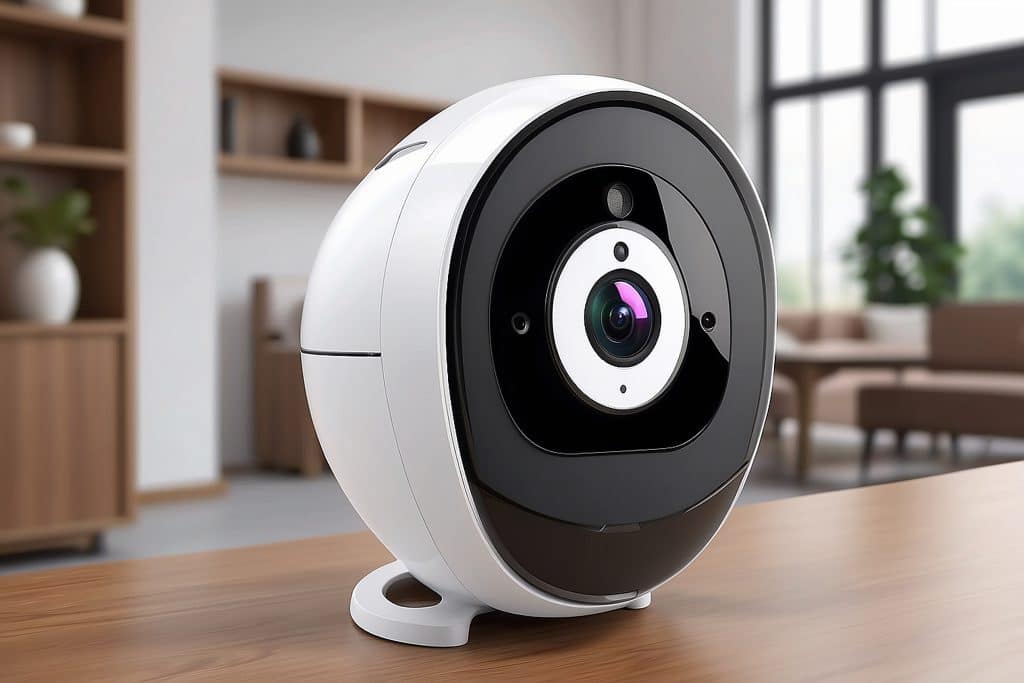
What Is a Wireless Security Camera System Australia?
A wireless security camera system Australia refers to surveillance cameras that transmit video over Wi-Fi or wireless networks instead of traditional cables. These systems typically include cameras, cloud or local storage, and mobile monitoring apps, allowing Australian homeowners and businesses to remotely monitor property security from anywhere.
Why Wireless Security Cameras Are Popular in Australia
Over the past decade, wireless surveillance technology has improved dramatically. As a result, many Australian homeowners now prefer wireless systems over traditional CCTV.
Several factors explain this shift.
1. Easier Installation
Wireless cameras require far less cabling than wired systems. This makes them ideal for:
- Existing homes
- Rental properties
- Small businesses
- Retail shops
Because drilling and wiring are minimal, installation can often be completed in hours rather than days.
2. Remote Monitoring
One of the biggest advantages is remote access. Most systems allow users to:
- View live footage on smartphones
- Receive motion alerts
- Store recordings in the cloud
According to the Australian Cyber Security Centre, remote monitoring systems should be secured with strong passwords and firmware updates to prevent unauthorised access (Australian Cyber Security Centre).
3. Smart Security Integration
Modern wireless systems often integrate with smart home ecosystems such as:
- Google Home
- Amazon Alexa
- Apple HomeKit
This allows voice commands and automation features such as turning cameras on when leaving home.
4. Flexible Expansion
Wireless systems are scalable. If you move house or expand your property, you can easily add additional cameras.
How Wireless Security Camera Systems Work
Understanding how a wireless security camera system Australia works helps you choose the right equipment.
Most systems contain four main components.
1. Wireless Cameras
These capture video footage and transmit it using Wi-Fi or a dedicated wireless protocol.
Modern cameras typically include:
- Motion detection
- Night vision
- Two-way audio
- AI detection
2. Network Connection
Cameras connect to your home or business Wi-Fi network. Some systems also support:
- 4G/5G connectivity
- Dedicated wireless hubs
The Australian Communications and Media Authority (ACMA) regulates communications technologies and radio frequency use in Australia (ACMA).
3. Storage System
Footage can be stored in two ways:
Cloud storage
- Accessible anywhere
- Subscription-based
Local storage
- Hard drive or SD card
- No monthly fees
4. Mobile App or Control Panel
Most systems include an app that allows users to:
- View live footage
- Receive alerts
- Review recorded footage
Key Features to Look for in a Wireless Security Camera System Australia
Choosing the right security system requires evaluating several technical features.
Video Resolution
Higher resolution cameras produce clearer footage.
Common resolutions include:
- 1080p (Full HD)
- 2K
- 4K Ultra HD
For Australian outdoor environments, higher resolution helps identify faces or licence plates.
Night Vision
Infrared night vision allows cameras to record in low light conditions.
Advanced systems now offer:
- Colour night vision
- Smart spotlight activation
Weather Resistance
Australia’s climate can be harsh. Cameras should have a rating of at least:
IP65 or IP67 weather protection
This ensures durability against rain, dust, and heat.
Motion Detection and AI
Modern systems use AI to detect:
- People
- Vehicles
- Animals
This reduces false alarms from moving trees or shadows.
Storage Options
Look for flexible storage:
- Cloud storage subscriptions
- Local NVR or SD storage
Australian Regulations and Privacy Considerations
While installing cameras is generally legal in Australia, privacy rules apply.
These rules vary slightly between states, but common guidelines include:
Avoid Recording Private Areas
Cameras should not record areas where people expect privacy such as:
- Bathrooms
- Bedrooms
- Neighbouring private property
Inform Visitors if Recording Audio
Some states regulate audio recording. Displaying signage such as “CCTV in operation” can help maintain transparency.
Workplace Surveillance
Businesses must follow workplace surveillance laws in some states.
For example, Safe Work Australia advises employers to ensure monitoring practices respect employee rights and safety considerations (Safe Work Australia).
This article provides general information only and should not be considered legal advice.
Wireless vs Wired Security Camera Systems
| Feature | Wireless Security Camera System | Wired CCTV System |
|---|---|---|
| Installation | Easy and fast | Complex wiring required |
| Flexibility | Highly flexible | Fixed locations |
| Remote Access | Usually built-in | Requires additional setup |
| Reliability | Depends on Wi-Fi | Stable connection |
| Scalability | Easy to add cameras | More difficult |
Wireless systems are generally ideal for homes and small businesses, while large facilities may still prefer wired CCTV.
Installation Checklist for Wireless Security Camera Systems
Follow this checklist when setting up your security cameras.
Step-by-Step Installation Checklist
- Assess security risks around your property
- Identify entry points and vulnerable areas
- Ensure strong Wi-Fi coverage
- Mount cameras at 2.5–3 metres height
- Configure mobile alerts and monitoring
- Test night vision and motion detection
- Secure your system with strong passwords
Best Locations to Install Wireless Security Cameras
Strategic camera placement dramatically improves security coverage.
Front Door
This is the most common entry point for burglars.
A door camera or video doorbell provides visibility of visitors and deliveries.
Driveway
Driveway cameras help monitor vehicle activity and provide licence plate visibility.
Backyard
Backyards are often overlooked entry points.
Installing cameras here helps cover fences and gates.
Indoor Entry Points
Indoor cameras can monitor hallways and entry areas if someone enters the home.
Internet and Network Considerations in Australia
Because wireless cameras rely on internet connectivity, network performance matters.
Australia’s National Broadband Network (NBN) provides internet services across the country.
However, speeds can vary.
Typical NBN upload speeds range from 5 Mbps to 50 Mbps depending on the plan, which can affect cloud recording performance.
For optimal performance:
- Use dual-band routers (2.4GHz / 5GHz)
- Install Wi-Fi extenders if needed
- Secure networks with WPA3 encryption
Cost of Wireless Security Camera Systems in Australia
Prices vary depending on quality and features.
Typical estimates (2025 market averages):
| System Type | Estimated Cost (AUD) |
|---|---|
| Single camera system | $120 – $300 |
| Home kit (2–4 cameras) | $400 – $900 |
| Professional system (6–8 cameras) | $1000 – $2500 |
| Professional installation | $300 – $800 |
Prices may vary depending on camera resolution, storage, and installation complexity.
Common Mistakes When Choosing a Security Camera System
Many property owners make avoidable mistakes.
Choosing Cameras With Poor Resolution
Low-resolution cameras may fail to capture useful details.
Ignoring Wi-Fi Coverage
Wireless systems rely on strong signals.
Not Updating Firmware
Outdated firmware may create security vulnerabilities.
Installing Cameras Too Low
Cameras placed too low can be tampered with.
People Also Ask (PAA)
What is the best wireless security camera system Australia homeowners use?
The best system depends on property size, internet connectivity, and required features. Most Australian homeowners prefer systems with high-resolution video, mobile alerts, weather-resistant cameras, and cloud storage.
Do wireless security cameras need internet in Australia?
Many wireless cameras require internet for remote viewing and cloud storage. However, some systems offer local recording that continues working even if internet access is temporarily unavailable.
Are wireless security cameras legal in Australia?
Yes, installing security cameras is generally legal. However, cameras should not record areas where people expect privacy. Audio recording rules may vary by state.
How long do wireless security cameras store footage?
Storage time depends on the system. Cloud storage plans typically store footage for 7–30 days, while local storage may retain recordings until the storage device is full.
Can wireless cameras work without power?
Most wireless cameras still require power, usually through batteries or mains power. Battery-powered cameras typically last between 2–6 months before recharging.
FAQs / Expert Q&A Section
How many cameras does a typical Australian home need?
Most homes benefit from 3–5 cameras covering the front entrance, driveway, backyard, and indoor entry areas. Larger properties may require additional cameras for full coverage.
What internet speed is recommended for wireless security cameras?
A minimum upload speed of 5–10 Mbps is recommended for stable video streaming. Higher speeds are needed for multiple 4K cameras.
Are solar-powered security cameras reliable in Australia?
Solar cameras work well in sunny regions but should include battery backup. Weather conditions and camera power consumption influence reliability.
How secure are wireless camera systems from hacking?
Security depends on system configuration. Use strong passwords, two-factor authentication, and regular firmware updates to improve protection.
Should security cameras be installed professionally?
DIY installation works for simple systems, but professional installation ensures correct placement, network optimisation, and reliable performance.
Conclusion
Choosing the right wireless security camera system Australia homeowners and businesses rely on requires careful planning. By understanding installation options, network requirements, and privacy considerations, you can build a surveillance system that improves safety without unnecessary complexity.
Wireless systems offer flexibility, remote monitoring, and modern smart features, making them ideal for many Australian properties.
If you’re considering upgrading your security setup, explore professional guidance and tailored solutions from trusted Australian wireless security camera system experts who understand local requirements and installation best practices.