


Vape detectors are becoming a practical security and wellbeing tool for Australian schools, workplaces, universities, hospitality venues and public facilities that need to manage vaping in bathrooms, change rooms and other hard-to-monitor indoor areas. From my experience in security planning, the best results come when detection technology is paired with clear policy, respectful communication and a fast response process.
Table of Contents
- What are vape detectors?
- Why vape detectors matter in Australia
- How vape detectors work
- Where vape detection systems are commonly installed
- Vape detectors vs smoke alarms vs CCTV
- Key features to look for
- Comparison table: standalone vs integrated vape detectors
- Numbered checklist: how to plan a vape detector rollout
- Compliance and privacy considerations in Australia
- Common mistakes to avoid
- People Also Ask
- Expert Q&A
- Conclusion
What Are Vape Detectors?
Vape detectors are sensor-based devices that identify airborne particles, chemicals or environmental changes linked to e-cigarette vapour. They are often used in bathrooms and other private indoor areas where cameras are unsuitable. When vaping is detected, the system can send alerts to authorised staff for review and response.
Why Vape Detectors Matter in Australia
Vaping has become a serious concern for many Australian schools, workplaces and facility managers. It is not only a behaviour issue. It can affect indoor air quality, student wellbeing, workplace safety, cleaning costs and the comfort of other people using the space.
In Australia, vaping is also regulated more tightly than it was a few years ago. According to the Therapeutic Goods Administration’s vaping reforms, national reforms that began in 2024 changed how vapes can be imported, manufactured, supplied and advertised. The Australian Government also explains that vapes are now treated as therapeutic vaping goods and can only be sold through pharmacies for smoking cessation or nicotine dependence support.
Therefore, many organisations are reviewing how they detect and manage vaping on site. However, vape detectors should not be treated as a magic fix. They work best as part of a wider management plan that includes policy, signage, education, incident response and staff training.
From my experience, the organisations that get the most value from vape detectors are the ones that ask three questions early: where is vaping most likely happening, who should receive alerts, and what should happen after an alert?
How Vape Detectors Work
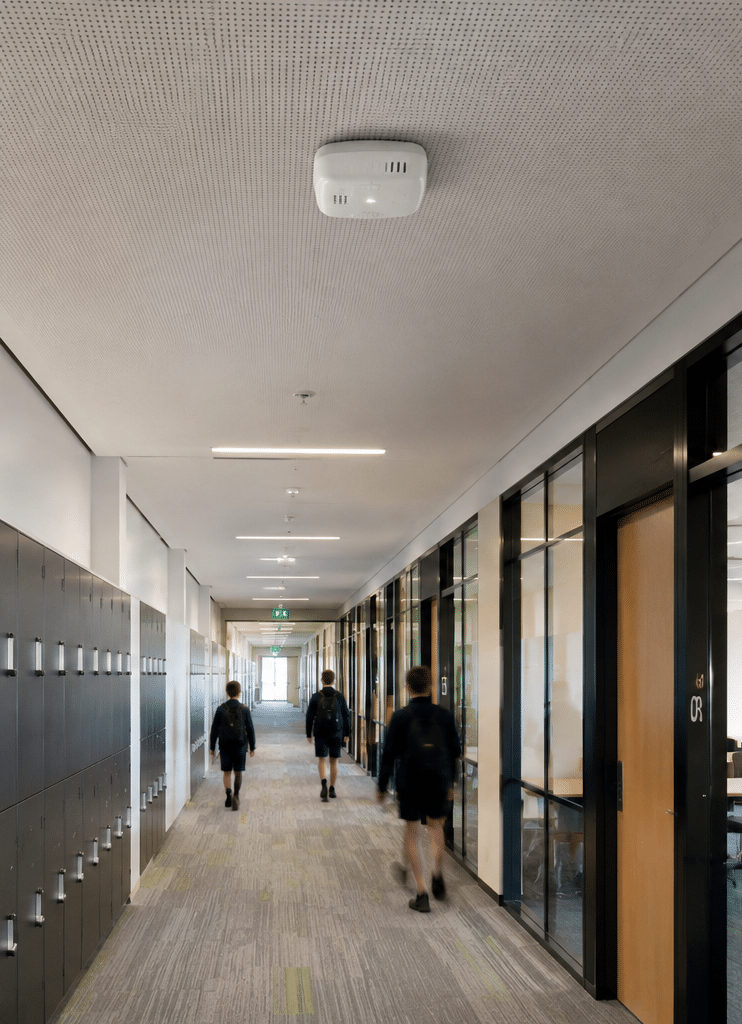
Vape detectors use environmental sensors to identify changes in the air. Unlike standard CCTV, they do not record video. Unlike basic smoke alarms, they are designed to detect indicators associated with e-cigarette vapour.
Most vape detectors may monitor one or more of the following:
- Particulate matter in the air
- Volatile organic compounds, often called VOCs
- Changes in air quality
- Temperature or humidity shifts
- Sound anomalies, such as tampering or aggression, depending on the model
- Occupancy or presence indicators, depending on configuration
When the sensor detects a reading that matches configured thresholds, it can send an alert. This alert may go to a dashboard, email, SMS, security platform, mobile app or building management system.
However, detection is not the same as proof. For example, a sensor alert may show that vapour-like particles were detected in a bathroom at 11:15 am. It does not automatically identify a person. Because of this, staff should use alerts as a trigger for a reasonable response, not as a final conclusion.
Why Vaping Is Hard to Detect Without Technology
Vaping is often discreet. Devices can be small, odour can fade quickly, and incidents often happen in bathrooms, stairwells, locker rooms or other areas where cameras are not appropriate.
In schools, this makes supervision difficult. In workplaces, it can create complaints and health concerns. In hospitality or public venues, it can affect patrons and cleaning teams. As a result, vape detectors help bridge the gap between privacy and safety.
For example, a camera cannot be installed inside a toilet block. However, a sensor can monitor air quality without recording images. That is why vape detectors are commonly used in privacy-sensitive spaces.
Australian Context: Schools, Workplaces and Public Facilities
The Australian Institute of Health and Welfare reports that e-cigarette use has risen sharply over the last decade, and it notes that people who use e-cigarettes may be exposed to toxic chemicals with potential adverse health effects. The AIHW vaping and e-cigarettes data also highlights the need for ongoing monitoring, especially among groups at increased risk.
This matters for facility managers because vaping is not limited to one type of site. Vape detectors are now considered by:
- Secondary schools
- TAFEs and universities
- Shopping centres
- Office buildings
- Industrial workplaces
- Aged care and healthcare facilities
- Public toilets
- Hospitality venues
- Sporting clubs and recreation centres
- Accommodation providers
In each setting, the goal is slightly different. A school may focus on student wellbeing and behaviour management. A workplace may focus on indoor air quality and policy compliance. A public venue may focus on patron comfort and asset protection.
Vape Detectors vs Smoke Alarms vs CCTV
Vape detectors are often misunderstood. They are not a direct replacement for smoke alarms, and they are not the same as surveillance cameras.
Smoke alarms are life safety devices. They are designed to detect smoke from fire and should be installed and maintained according to relevant building and fire safety requirements. Vape detectors are usually administrative or operational tools. They help identify likely vaping events so staff can respond.
CCTV is useful in public areas, corridors and entrances. However, cameras are not suitable for toilets, change rooms or other private areas. Vape detectors can help in these spaces because they monitor air conditions rather than recording people.
| Technology | Main purpose | Best locations | Limitations |
| Vape detectors | Detect likely vaping events | Bathrooms, change rooms, locker rooms, stairwells | Alerts need review; they do not identify a person by themselves |
| Smoke alarms | Detect smoke/fire risk | Required building fire safety locations | Not designed specifically for e-cigarette vapour |
| CCTV | Visual monitoring and evidence | Entrances, corridors, car parks, reception areas | Not suitable for private spaces |
| Access control | Manage authorised entry | Doors, gates, secure rooms | Does not detect vaping |
| Security alarms | Detect intrusion or unauthorised access | Buildings, restricted areas, after-hours zones | Does not monitor air quality |
Key Features to Look for in Vape Detectors
Not every vape detector is the same. Therefore, choosing the right system depends on your building, response process and budget.
1. Accurate Air Quality Sensing
The core function should be reliable detection of airborne indicators linked to vaping. Better devices allow threshold adjustment, which helps reduce false alerts.
For example, a school bathroom near a cleaner’s storage area may need different settings from a quiet office washroom. Therefore, commissioning is important.
2. Real-Time Alerts
Fast notification is one of the biggest benefits. If staff receive an alert immediately, they can respond while the incident is still relevant.
Alerts may be sent to:
- A nominated staff member
- A facilities team
- A security control room
- A school administration office
- A mobile app
- An integrated security platform
3. Tamper Detection
Vape detectors may be installed in areas where people try to cover, damage or remove devices. Therefore, tamper alerts are useful. A good setup should notify staff if a device is blocked, moved or interfered with.
4. Dashboard and Reporting
A dashboard helps managers see patterns. For instance, reports may show that vaping alerts are most common during lunch breaks or after school. This helps staff improve supervision and prevention.
5. Integration With Security Systems
For larger sites, integration is valuable. Vape detectors may be connected with CCTV in nearby public corridors, access control, intercom systems or alarm workflows.
For example, an alert from a bathroom detector could prompt staff to review nearby corridor footage, without placing cameras inside the bathroom. This approach supports privacy while helping staff understand what happened before and after the alert.
6. Privacy-Conscious Design
Vape detectors should be selected and configured with privacy in mind. In sensitive spaces, avoid unnecessary data collection. Also, make sure staff understand what the device does and does not record.
7. Scalable Installation
A small site may start with two or three detectors. A school or university may need dozens. Therefore, the system should be easy to expand.
Where Vape Detectors Are Commonly Installed
Vape detectors are usually installed where vaping happens but cameras are unsuitable.
Common locations include:
- Student toilets
- Staff bathrooms
- Public amenities
- Change rooms
- Locker rooms
- Stairwells
- Isolated corridors
- Back-of-house areas
- Loading dock amenities
- Shared accommodation bathrooms
- Disabled access bathrooms, where appropriate and carefully assessed
However, placement should be planned carefully. Poor placement can reduce accuracy. For example, installing a detector too close to strong airflow may affect readings. Likewise, placing it near cleaning chemicals may increase false alerts.
Comparison Table: Standalone vs Integrated Vape Detectors
| Option | Best for | Benefits | Trade-offs |
| Standalone vape detectors | Small sites, pilot programs, single buildings | Faster deployment, simpler setup, lower initial complexity | May require separate dashboard and manual response |
| Integrated vape detectors | Schools, campuses, commercial buildings and multi-site operations | Can connect alerts with CCTV, access control and security workflows | Needs better planning and professional configuration |
| Cloud-managed detectors | Sites needing remote alerts and reporting | Easy reporting, multi-site access, mobile notifications | Requires internet connectivity and account management |
| Locally managed detectors | Sites with strict network controls | More internal control over data and access | May need more IT support |
| Professionally installed detectors | Sites needing reliable coverage and clean commissioning | Better placement, testing and documentation | Higher upfront cost than DIY-style installation |
How Vape Detectors Support Better Decision-Making
A vape detection system gives managers data. That matters because assumptions can lead to poor decisions.
For example, a school may believe vaping happens mostly after lunch. However, detector reports may show more alerts before school or during class transitions. As a result, staff can adjust supervision rather than guessing.
Similarly, a workplace may receive complaints about vaping in bathrooms. Without detection, management may struggle to understand frequency. With reporting, they can see whether the issue is occasional or ongoing.
This is why vape detectors are useful beyond alerts. They help identify patterns.
Numbered Checklist: How to Plan a Vape Detector Rollout
- Identify the problem areas
List the bathrooms, change rooms or indoor areas where vaping complaints or incidents occur. - Define the response process
Decide who receives alerts, who attends the area and how incidents are documented. - Review privacy and communication needs
Prepare clear signage and internal communication. Explain that the devices detect air quality indicators, not video. - Select suitable detector locations
Consider ceiling height, airflow, access for maintenance and likely vaping positions. - Check network and power requirements
Confirm whether detectors need PoE, Wi-Fi, ethernet, cloud access or integration with existing systems. - Set alert thresholds carefully
Start with manufacturer guidance, then adjust after real-world testing. - Train staff before going live
Staff should know how to interpret alerts and respond consistently. - Run a pilot period
Test a small number of locations first. Review false alerts, response time and reporting. - Document incidents fairly
Record the alert, location, time and staff response. Avoid assumptions about identity without supporting evidence. - Review reports monthly
Use trends to improve supervision, education and site procedures.
Compliance and Privacy Considerations in Australia
Compliance should be handled carefully. This article is general information, not legal advice. For site-specific obligations, organisations should seek advice from qualified legal, HR, education or compliance professionals.
That said, several practical administration points are relevant.
First, tell people what the system does. Clear signage and policy wording help avoid confusion. For example, a sign may state that air quality sensors are used to detect vaping and support a smoke-free or vape-free environment.
Second, limit access to alert data. Only authorised staff should receive alerts or view reports.
Third, avoid treating every alert as proof of misconduct. A sensor alert should trigger a reasonable response. It should not automatically result in disciplinary action without context.
Fourth, keep records proportionate. In many cases, organisations only need enough information to manage the incident and track trends.
Finally, align the system with existing policies. Schools may connect vape detection to student wellbeing and behaviour processes. Workplaces may connect it to smoke-free workplace policies. Public venues may connect it to conditions of entry and facility management procedures.
The Australian Government’s vaping laws information explains that the 2024 changes restrict the sale of vapes and vaping products to pharmacies for therapeutic purposes. This wider policy environment is one reason many Australian organisations are taking prevention and detection more seriously.
Do Vape Detectors Stop Vaping Completely?
No system can guarantee that vaping will stop completely. However, vape detectors can reduce opportunities, increase response speed and support consistent enforcement.
The main benefits are:
- Faster awareness of incidents
- Better coverage in private areas
- Fewer reliance on complaints
- Improved reporting
- Stronger support for policy enforcement
- Better understanding of patterns over time
However, technology alone is not enough. Education, supervision and clear consequences still matter.
Practical Example: School Bathroom Vape Detection
Consider a secondary school with repeated vaping complaints in two toilet blocks. Staff cannot place cameras inside bathrooms. They also cannot supervise every area at all times.
A practical setup may include vape detectors inside the bathrooms and CCTV in the nearby public corridor. When a detector sends an alert, authorised staff can attend the area. They may also review corridor footage to see movement before and after the alert, while still respecting privacy inside the bathroom.
Over time, reports may show that incidents cluster during certain breaks. The school can then increase supervision at those times, adjust student messaging and review wellbeing support.
This approach works because it combines technology with process.
Practical Example: Workplace Vape Detection
In an office or industrial workplace, vaping in bathrooms can create complaints and affect comfort. It may also undermine site policies.
A workplace may install vape detectors in shared amenities and send alerts to facilities or security staff. However, the response should be professional and consistent. Staff should avoid public accusations. Instead, the organisation can use alerts to check the area, remind teams of policy and investigate repeated issues if needed.
In this setting, vape detectors support a healthier shared environment. They also help managers respond based on data rather than hearsay.
What Causes False Alerts?
False alerts can happen. Therefore, setup and tuning are important.
Possible causes include:
- Cleaning sprays
- Aerosols
- Steam from showers
- Dust
- Poor ventilation
- Strong airflow
- Sensor placement near chemicals
- Incorrect sensitivity settings
A well-designed installation reduces these issues. During commissioning, technicians should test the device, review the environment and adjust thresholds where appropriate.
From my experience, the first few weeks are the most important. A pilot period allows the site to learn normal air patterns and improve settings.
How Vape Detectors Fit Into a Broader Security System
Vape detectors are often part of a wider technology ecosystem. Depending on the site, they may work alongside:
- CCTV systems
- Access control
- Intercoms
- Intruder alarms
- Duress alerts
- Visitor management systems
- Building management systems
- Security monitoring workflows
This matters because one alert often needs context. For example, a vape detector can tell you that a likely vaping event occurred in a bathroom. Access control may show which area was open. CCTV in public corridors may show movement nearby. A staff response process then closes the loop.
For Australian organisations that want a joined-up approach, integrated security solutions for safer facilities can help connect detection, monitoring and response into a practical site plan.
Key Buying Considerations for Vape Detectors
Before buying vape detectors, consider these factors.
Coverage
How many rooms need monitoring? Also, how large are they? A small bathroom may need one detector. A large change room may need multiple devices.
Mounting Location
Ceiling placement is common. However, every site is different. Airflow, ceiling height and vandalism risk should guide placement.
Alert Method
Decide whether alerts should go to email, SMS, app, dashboard or an existing security platform.
Reporting
Look for reporting that shows time, location, frequency and trend data. This helps management evaluate whether the system is working.
Maintenance
Sensors may need cleaning, calibration or firmware updates. Therefore, ask how often maintenance is required.
Network Security
If the detector is cloud-managed or network-connected, IT teams should review access, passwords, updates and data handling.
Support
Choose a supplier that can help with installation, configuration, training and troubleshooting.
Common Mistakes to Avoid
One common mistake is installing detectors without a response plan. Alerts are only useful if someone knows what to do next.
Another mistake is placing detectors in poor locations. For example, a unit near strong ventilation may miss events or produce unreliable readings.
A third mistake is using alerts as automatic proof. A detector provides an indicator. It should be assessed with context.
Also, some sites forget communication. Staff, students or occupants should understand that the system is in place and why it is used.
Finally, some organisations do not review the data. Monthly reporting can reveal patterns that help reduce incidents.
People Also Ask: Vape Detectors in Australia
Do vape detectors really work?
Yes, vape detectors can work well when they are correctly placed, configured and supported by a clear response plan. However, they detect likely vaping indicators rather than identifying a person automatically.
Are vape detectors legal in Australian schools?
Vape detectors may be used in schools as administrative safety and behaviour management tools, but schools should review privacy, signage, policy and governance requirements. This is not legal advice, so site leaders should seek appropriate compliance guidance before rollout.
Can vape detectors be installed in bathrooms?
Yes, bathrooms are one of the most common places for vape detectors because cameras are not appropriate there. The detector monitors air conditions rather than recording video.
Do vape detectors detect nicotine?
Some systems detect particles and chemical changes linked to vaping, rather than directly proving nicotine content. The exact capability depends on the detector model and sensor type.
How much do vape detectors cost in Australia?
Costs vary depending on the device, quantity, installation, network needs and integration. As a general estimate, a professional rollout may include hardware, cabling or power, configuration, software and ongoing support.
Expert Q&A: High-Value Questions About Vape Detectors
1. What is the best location for a vape detector?
The best location is usually on the ceiling in the room where vaping is likely to occur, away from strong airflow, steam sources and chemical storage. A professional installer should assess the room layout before installation.
2. Can vape detectors connect to CCTV?
Yes, many sites connect vape detector alerts with CCTV workflows in nearby public areas. For example, a detector may trigger staff to check corridor footage while still avoiding cameras in private spaces.
3. How quickly do vape detectors send alerts?
Many systems can send alerts in near real time. Actual speed depends on the device, network connection, alert settings and monitoring workflow.
4. Do vape detectors need maintenance?
Yes, most sensor-based systems need some maintenance. This may include cleaning, firmware updates, sensor checks, calibration or periodic testing.
5. What should staff do after a vape detector alert?
Staff should follow a documented response process. Usually, this means checking the area promptly, recording the alert, speaking with relevant people respectfully if needed, and reviewing patterns over time.
Conclusion
Vape detectors can help Australian schools, workplaces and facilities manage vaping in areas where traditional monitoring is limited. They are most useful in bathrooms, change rooms and other privacy-sensitive spaces where cameras are not suitable.
However, the best outcomes come from a balanced approach. Technology should support policy, education, privacy-conscious procedures and consistent staff response. Therefore, before installing vape detectors, define the problem areas, plan the response workflow, review privacy requirements and choose a system that can scale with your site.
For organisations looking to reduce vaping incidents and improve indoor safety, the next step is to assess the site, identify priority locations and design a practical detection and response plan.