


Ultimate Guide to a Home Security Camera System in Australia
Table of Contents
- Introduction
- Featured Definition: What Is a Home Security Camera System?
- Why Australians Are Investing in Home Security Camera Systems
- How a Home Security Camera System Works (Plain English)
- Types of Home Security Camera Systems in Australia
- Wired vs Wireless Systems: Comparison Table
- Key Features That Matter for Australian Homes
- Internet, Storage, and Data Privacy Considerations
- Installation Options: DIY vs Professional Setup
- Step-by-Step Checklist: Choosing the Right System
- Costs of a Home Security Camera System in Australia
- Compliance, Privacy, and Ethical Use (Administrative Overview)
- Real-World Use Cases from Australian Homes
- People Also Ask: Home Security Camera System (Australia)
- Expert Q&A: In-Depth Answers
- Conclusion and Next Steps
1) Introduction
If you’re researching a home security camera system, you’re not alone. Across Australia, homeowners are increasingly turning to camera-based security to deter break-ins, monitor deliveries, and gain peace of mind when they’re away. From my experience working with Australian households, the biggest challenge isn’t whether to install cameras but choosing the right system for local conditions, privacy expectations, and internet reliability.
This guide is written specifically for Australians who search Google for practical, unbiased information about home security camera systems. It focuses on how these systems actually work, what matters in an Australian context, and how to make a confident, informed decision without hype or technical jargon.
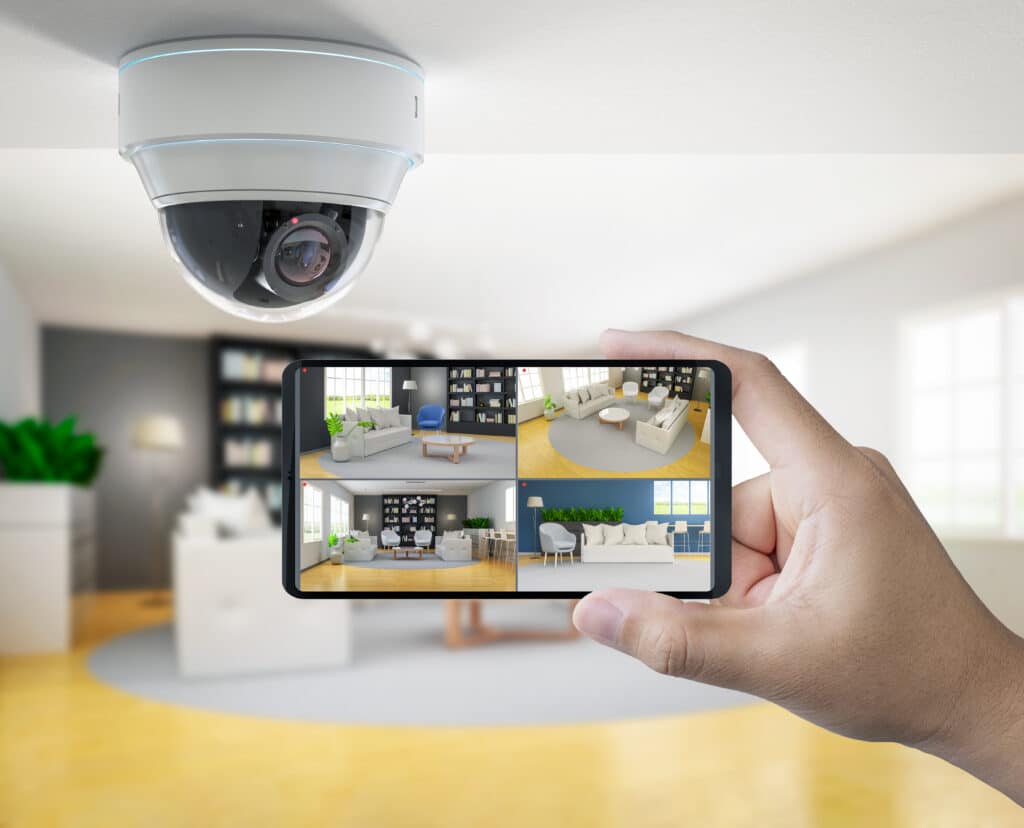
2) Featured Definition: What Is a Home Security Camera System?
A home security camera system is a network of cameras and recording devices that monitor, record, and sometimes alert homeowners to activity around their property. In Australia, these systems typically use internet connectivity, motion detection, and local or cloud storage to help deter crime and provide visual evidence when incidents occur.
3) Why Australians Are Investing in Home Security Camera Systems
Home security concerns in Australia vary by location, but the trend is consistent. According to publicly available crime statistics from state police agencies, property-related offences remain a key concern in both metropolitan and regional areas. Cameras don’t replace good locks or lighting, but they add visibility and accountability.
From my experience, Australians usually install a home security camera system for three main reasons:
- Deterrence: Visible cameras reduce opportunistic crime.
- Awareness: Motion alerts notify you when something happens, even if you’re interstate.
- Evidence: Recorded footage can support insurance claims or police reports.
4) How a Home Security Camera System Works (Plain English)
At its core, a home security camera system captures video and makes it accessible to you. Here’s the simple breakdown:
- Cameras capture live video from inside or outside your home.
- Motion sensors trigger recording when movement is detected.
- A recorder or cloud service stores the footage.
- An app or monitor lets you view live or recorded video.
Most modern systems rely on your home internet connection. When motion occurs, you may receive a push notification on your phone. Some systems also integrate with alarms, smart lights, or voice assistants.
5) Types of Home Security Camera Systems in Australia
Not all systems are built the same. In Australia, the most common categories include:
Indoor Camera Systems
Designed for internal monitoring, often used in entryways or living areas. These typically prioritise audio clarity and wide viewing angles.
Outdoor Camera Systems
Built to handle Australian weather conditions heat, rain, and dust. Look for IP-rated housings suitable for local climates.
Smart Camera Systems
These connect to apps and may use AI-based motion detection to distinguish people from animals or vehicles.
Hybrid Systems
Combine local recording (such as a network video recorder) with optional cloud backups.
6) Wired vs Wireless Systems: Comparison Table
| Feature | Wired System | Wireless System |
|---|---|---|
| Installation | Professional recommended | DIY-friendly |
| Reliability | Very stable | Dependent on Wi-Fi |
| Power Source | Fixed cabling | Battery or power point |
| Flexibility | Less flexible | Easy to reposition |
| Popular in Australia | New builds | Existing homes |
From my experience, wireless systems suit most existing Australian homes, while wired systems are common in new constructions or major renovations.
7) Key Features That Matter for Australian Homes
When evaluating a home security camera system, prioritise features that suit local realities:
- Night Vision: Essential due to limited street lighting in many suburbs.
- Weather Rating: Outdoor cameras should handle heatwaves and storms.
- Motion Zones: Reduce false alerts from pets or passing cars.
- Two-Way Audio: Useful for deliveries or deterring trespassers.
The ACCC recommends consumers carefully review product claims about resolution, storage, and subscription costs before purchasing connected devices.
8) Internet, Storage, and Data Privacy Considerations
Most Australian systems now use cloud storage, but local storage is still common. Each option has trade-offs:
- Cloud Storage: Accessible anywhere, but often requires a subscription.
- Local Storage: No ongoing fees, but footage may be lost if hardware is damaged.
Privacy is another key concern. The Office of the Australian Information Commissioner outlines how surveillance devices should be used responsibly, especially when cameras capture areas beyond your property boundary. This is an administrative consideration rather than legal advice, but it’s important for ethical use.
9) Installation Options: DIY vs Professional Setup
Many Australians choose DIY installation, especially for wireless systems. However, professional setup can help with:
- Optimal camera placement
- Network stability
- Clean cable management
- Integration with existing security measures
If you prefer expert guidance and locally appropriate solutions, professional installers like those who specialise in Australian homes can simplify the process and reduce setup errors. One example of a locally focused provider is professional home security camera system installation in Australia, which offers tailored solutions based on property type and risk profile.
10) Step-by-Step Checklist: Choosing the Right System
- Identify entry points and coverage areas
- Decide between indoor, outdoor, or mixed cameras
- Check Wi-Fi strength at camera locations
- Compare storage options and ongoing costs
- Review privacy and notification settings
- Confirm warranty and Australian support
This checklist helps ensure your system fits your home not just the marketing brochure.
11) Costs of a Home Security Camera System in Australia
Costs vary widely depending on features and scale. As a general estimate (not a guarantee):
- Basic DIY systems: $300–$800
- Mid-range systems: $800–$2,000
- Professionally installed systems: $2,000+
Ongoing costs may include cloud subscriptions, typically charged monthly or annually.
12) Compliance, Privacy, and Ethical Use (Administrative Overview)
In Australia, using a home security camera system comes with responsibilities. Cameras should primarily monitor your own property. Recording public spaces or neighbours may raise privacy concerns.
Administrative guidance from the OAIC suggests:
- Informing visitors where practical
- Avoiding audio recording unless necessary
- Securing stored footage
Always frame compliance as part of responsible home management, reviewed with licensed professionals where required.
13) Real-World Use Cases from Australian Homes
From my experience, common scenarios include:
- Monitoring front doors for parcel deliveries
- Watching side access points in suburban blocks
- Checking holiday homes remotely
- Supporting insurance claims after vandalism
These practical uses show why cameras are now considered part of everyday home infrastructure.
14) People Also Ask: Home Security Camera System (Australia)
Do home security camera systems deter crime in Australia?
Yes, visible cameras can discourage opportunistic crime, especially when combined with lighting and signage. They are most effective as part of a broader security approach.
Are wireless security cameras reliable with Australian internet?
Generally yes, but performance depends on your Wi-Fi quality. Homes with strong NBN connections see better reliability.
Is cloud storage safe for security camera footage?
Reputable providers use encryption, but users should still review privacy policies and enable strong account security.
Can I install cameras myself in Australia?
DIY installation is common and legal for personal use, provided cameras respect privacy boundaries.
15) Expert Q&A: In-Depth Answers
Q1: How many cameras does a typical Australian home need?
Most detached homes use 3–6 cameras, covering entry points and outdoor areas. Larger properties may need more.
Q2: Are subscriptions unavoidable with modern systems?
Not always. Some systems offer local storage, but cloud features often require subscriptions.
Q3: What resolution is practical for identification?
1080p is the minimum. Higher resolutions help, but depend on lighting and placement.
Q4: Do cameras increase home value?
They may improve buyer perception, but value impact varies by market and presentation.
Q5: How long should footage be retained?
Typically 7–30 days is sufficient for most households, depending on storage capacity.
16) Conclusion and Next Steps
A well-chosen home security camera system can significantly improve awareness, deterrence, and peace of mind for Australian households. The key is understanding how systems work, choosing features that match local conditions, and using cameras responsibly.
If you’re ready to move from research to action, start by assessing your home’s layout and risks, then explore solutions designed specifically for Australian homes. Thoughtful planning today can prevent bigger problems tomorrow.