


surveillance security camera systems
Table of Contents
- Introduction
- What Are Surveillance Security Camera Systems?
- Why Surveillance Security Camera Systems Matter in Australia
- Types of Surveillance Security Camera Systems
- Key Features to Look For
- Australian Compliance & Privacy Considerations
- Installation Options: DIY vs Professional
- Cost Breakdown in Australia
- Comparison Table: Wired vs Wireless Systems
- Step-by-Step Checklist for Choosing a System
- Common Mistakes to Avoid
- People Also Ask (PAA)
- FAQs / Expert Q&A
- Conclusion
Introduction
Surveillance security camera systems have become essential for Australian homes and businesses looking to improve safety, reduce theft, and monitor activity in real time. From my experience working with clients across Australia, many people underestimate how much the right system can deter crime before it even happens. However, choosing the right setup involves more than just buying cameras, it requires understanding technology, compliance, and practical use cases.
Whether you’re protecting a small retail shop in Sydney, a warehouse in Melbourne, or your home in Perth, this guide will walk you through everything you need to know.
What Are Surveillance Security Camera Systems?
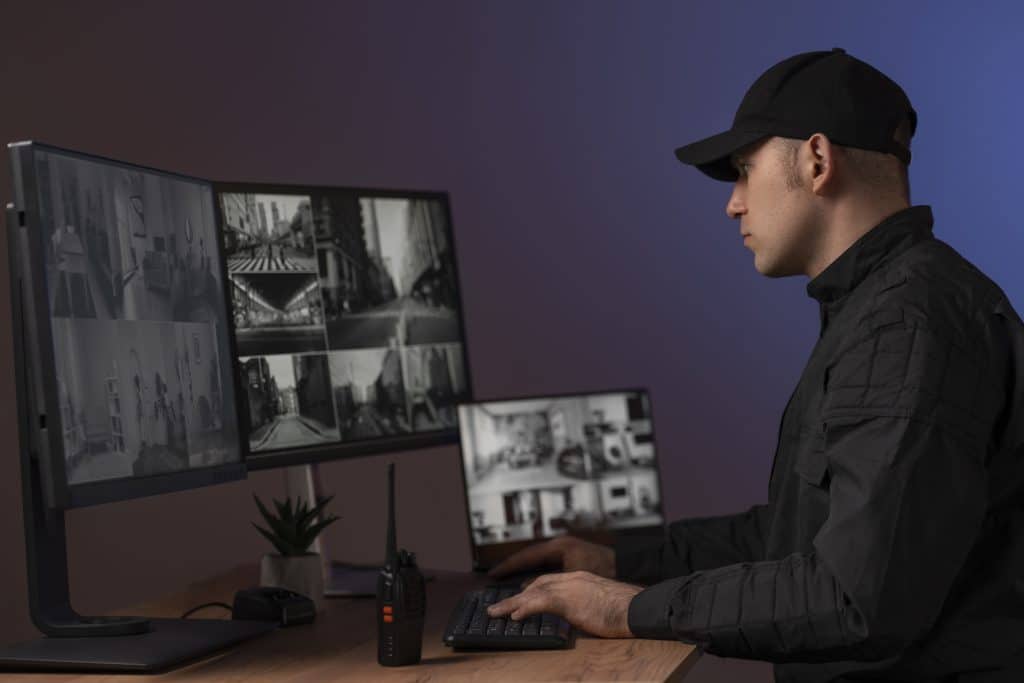
Surveillance security camera systems are integrated setups of cameras, recording devices, and monitoring software used to observe and record activity in homes or businesses. In Australia, these systems help deter crime, provide evidence, and enable remote monitoring via smartphones or computers, improving overall safety and security.
Why Surveillance Security Camera Systems Matter in Australia
Australia has seen increasing adoption of security technology due to rising concerns around property crime. According to the Australian Bureau of Statistics, break-ins and theft remain among the most reported offences in several states. As a result, both residential and commercial property owners are investing in smarter security solutions.
Key Benefits:
- Crime deterrence: Visible cameras discourage opportunistic offenders
- Evidence collection: Footage supports insurance claims and investigations
- Remote monitoring: Check your property from anywhere
- Workplace safety: Monitor staff and operational risks
Additionally, modern systems integrate with alarms, access control, and smart home devices, making them more effective than ever.
Types of Surveillance Security Camera Systems
Understanding the different types of surveillance security camera systems is crucial before making a decision.
1. CCTV (Closed-Circuit Television)
- Traditional wired systems
- Common in commercial settings
- Reliable and secure
2. IP (Internet Protocol) Cameras
- Connect via internet networks
- Offer high-definition video
- Enable remote access
3. Wireless Camera Systems
- Easy to install
- Ideal for homes and small businesses
- May depend on Wi-Fi stability
4. Cloud-Based Systems
- Store footage online
- Accessible anywhere
- Subscription-based
5. PTZ Cameras (Pan-Tilt-Zoom)
- Adjustable viewing angles
- Suitable for large areas like warehouses
From my experience, most Australian homeowners now prefer IP or wireless systems due to flexibility and smartphone access.
Key Features to Look For
When evaluating surveillance security camera systems, focus on features that directly impact usability and performance.
Essential Features:
- Resolution: Minimum 1080p; 4K preferred for clarity
- Night Vision: Infrared or colour night capability
- Motion Detection: Smart alerts reduce unnecessary recordings
- Storage Options: Local (NVR/DVR) vs cloud
- Mobile Access: Real-time viewing via apps
- Weather Resistance: IP66 or higher for outdoor use
According to the Australian Cyber Security Centre, secure device configuration is critical, default passwords should always be changed to prevent hacking.
Australian Compliance & Privacy Considerations
When installing surveillance security camera systems in Australia, compliance is important but it’s best understood as an administrative responsibility rather than legal advice.
Key Considerations:
- Privacy Laws: Avoid recording private spaces (e.g., neighbour’s backyard)
- Signage: Businesses should display clear CCTV notices
- Data Storage: Secure handling of recorded footage
- Workplace Monitoring: Inform employees if cameras are used
The Office of the Australian Information Commissioner provides guidance on privacy obligations for surveillance systems.
Installation Options: DIY vs Professional
DIY Installation
- Lower cost
- Quick setup
- Suitable for small properties
Professional Installation
- Optimised camera placement
- Better integration with security systems
- Long-term reliability
From my experience, professional installation is worth considering for larger properties or businesses, as poor camera placement is one of the most common issues.
If you’re exploring professional-grade solutions, consider reviewing expert surveillance system solutions tailored for Australian properties to ensure proper setup and support.
Cost Breakdown in Australia
Costs vary depending on system complexity and property size.
Estimated Pricing:
- Basic home system: AUD $300–$800
- Mid-range system: AUD $800–$2,500
- Commercial systems: AUD $2,500–$10,000+
Ongoing Costs:
- Cloud storage subscriptions
- Maintenance and upgrades
Note: These are estimates and may vary based on location, installer, and system requirements.
Comparison Table: Wired vs Wireless Systems
| Feature | Wired Systems | Wireless Systems |
|---|---|---|
| Reliability | High | Depends on Wi-Fi |
| Installation | Complex | Easy |
| Cost | Higher upfront | Lower upfront |
| Scalability | Limited flexibility | Highly flexible |
| Security | More secure (closed network) | Requires strong network security |
Step-by-Step Checklist for Choosing a System
- Assess your property size and layout
- Identify high-risk areas (entry points, blind spots)
- Choose camera types (indoor/outdoor, fixed/PTZ)
- Decide on storage (local vs cloud)
- Check compliance requirements in Australia
- Set a realistic budget
- Compare installation options
- Ensure cybersecurity measures are in place
Common Mistakes to Avoid
- Installing cameras too high or too low
- Ignoring lighting conditions
- Using weak passwords
- Overlooking data storage limits
- Not maintaining the system regularly
People Also Ask (PAA)
1. Are surveillance security camera systems legal in Australia?
Yes, but you must respect privacy laws. Cameras should not record private areas without consent, and businesses should notify people when surveillance is in use.
2. Do security cameras reduce crime in Australia?
Studies and reports suggest visible cameras act as a deterrent, especially for opportunistic crimes like theft and vandalism.
3. How much storage do I need for a camera system?
It depends on resolution and recording duration. Most homes use 1–4TB for local storage or cloud plans for continuous access.
4. Can I monitor my cameras remotely?
Yes, most modern surveillance security camera systems allow remote monitoring via mobile apps or web platforms.
5. What is better: wired or wireless cameras?
Wired systems offer stability, while wireless systems provide flexibility. The best choice depends on your property and needs.
FAQs / Expert Q&A
1. What is the best camera resolution for Australian conditions?
For most environments, 1080p is sufficient, but 4K is recommended for larger properties or areas requiring detailed identification.
2. How long should footage be stored?
Typically, 14–30 days is standard for homes, while businesses may require longer retention depending on operational needs.
3. Are cloud-based systems safe?
They can be secure if you use strong passwords and enable two-factor authentication. Always choose reputable providers.
4. Can surveillance systems integrate with alarms?
Yes, many modern systems integrate with alarms, access control, and smart home devices for a complete security solution.
5. Do I need professional maintenance?
Regular checks are recommended to ensure cameras, storage, and software function correctly, especially for commercial setups.
Conclusion
Surveillance security camera systems are a smart investment for anyone in Australia looking to protect property, improve safety, and gain peace of mind. By understanding system types, features, costs, and compliance considerations, you can make a well-informed decision.
If you’re ready to take the next step, explore professional surveillance solutions designed for Australian homes and businesses to ensure your system is set up correctly and delivers long-term value.