

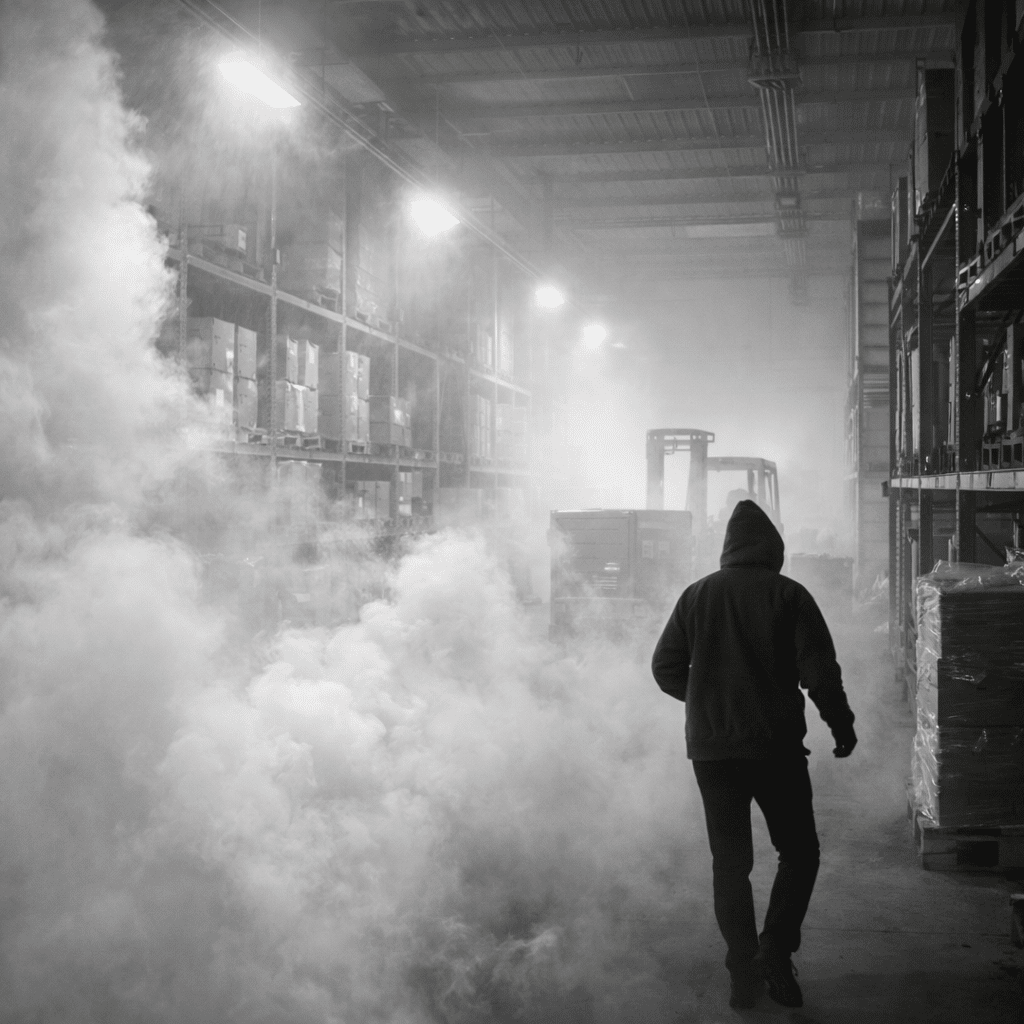
Smoke Cloak Security Systems in Australia: A Practical, Evidence-Based Guide
Table of Contents
- Introduction
- What Is a Smoke Cloak? (Featured Definition)
- Why Smoke Cloak Systems Matter in Australia
- How a Smoke Cloak Works: Step by Step
- Smoke Cloak vs Traditional Security Measures (Comparison Table)
- Where Smoke Cloaks Are Commonly Used in Australia
- Installation and Onboarding Checklist
- Compliance, Safety, and Standards (Australia Context)
- Costs, Maintenance, and Practical Considerations
- People Also Ask: Smoke Cloak Questions Australians Search
- Expert Q&A: Advanced Smoke Cloak Insights
- Conclusion and Next Steps
1) Introduction
If you’ve searched for a smoke cloak, chances are you’re looking for a fast, proven way to stop intruders without confrontation. In Australia, where smash-and-grab burglaries can be over in minutes, businesses increasingly rely on smoke cloak systems to deny visibility and force offenders to flee. From my experience working with commercial security projects, the effectiveness comes down to speed, correct placement, and integration with alarms.
This guide explains how smoke cloak systems work in Australia, why they’re used, and how to choose one based on real-world conditions—without hype or guarantees.
2) What Is a Smoke Cloak? (Featured Definition)
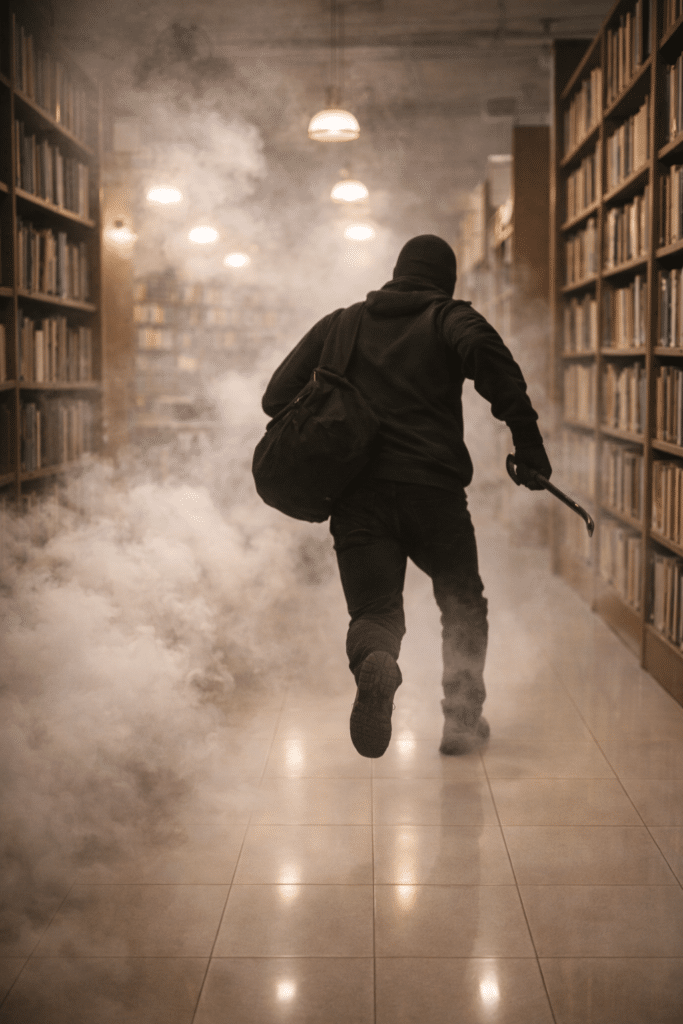
A smoke cloak is an electronic security device that releases a dense, non-toxic fog within seconds of an alarm trigger, rapidly reducing visibility to near zero. By disorienting intruders and obscuring valuables, a smoke cloak aims to stop theft before it starts, without physical force or confrontation.
3) Why Smoke Cloak Systems Matter in Australia
Australia has a high proportion of retail and light-industrial premises with glass frontage—particularly in metro areas like Sydney, Melbourne, and Brisbane. These environments are vulnerable to fast break-ins where police response time alone isn’t enough.
A smoke cloak addresses this gap by:
- Buying time: Intruders lose visibility within seconds.
- Reducing confrontation risk: No physical engagement required.
- Protecting staff safety: Especially relevant for after-hours incidents.
- Deterring repeat attempts: Offenders often avoid sites with fog systems after one experience.
According to the Australian Institute of Criminology, most property crimes are opportunistic and time-sensitive, meaning rapid deterrence is critical (Australian Institute of Criminology). Smoke cloak systems directly target this behaviour.
4) How a Smoke Cloak Works: Step by Step
A smoke cloak system is simple in principle but highly engineered in execution.
Typical activation flow:
- Intrusion detected via alarm sensors (motion, door, or glass break).
- Signal sent to the smoke cloak unit.
- Fog deployed in 5–10 seconds, filling the protected area.
- Visibility drops to less than one metre.
- Intruder exits due to disorientation and perceived risk.
The fog used is generally water-based, non-toxic, and designed to leave minimal residue. Manufacturers design it to meet international safety standards used globally in occupied environments.
5) Smoke Cloak vs Traditional Security Measures
| Feature | Smoke Cloak | CCTV Only | Physical Barriers |
|---|---|---|---|
| Stops theft in progress | Yes | No | Sometimes |
| Works without human response | Yes | No | Yes |
| Immediate deterrence | Very high | Low | Medium |
| Risk of confrontation | Low | Low | Medium |
| Visual evidence | Limited during event | High | N/A |
Smoke cloaks are most effective when combined with alarms and CCTV, not used alone.
6) Where Smoke Cloaks Are Commonly Used in Australia
From practical deployments, smoke cloak systems are commonly installed in:
- Jewellery and watch retailers
- Pharmacies and medical suppliers
- Electronics stores
- Warehouses with high-value stock
- Automotive parts retailers
In Australia, insurance providers often look favourably on layered security. While a smoke cloak doesn’t guarantee lower premiums, it may support a stronger risk profile when reviewed by insurers (administrative consideration only).
7) Installation and Onboarding Checklist
Before installing a smoke cloak, review this checklist:
- Confirm protected room size (m² and ceiling height)
- Identify alarm integration points
- Assess air flow (vents, open stairwells)
- Choose correct fog output capacity
- Schedule test deployment outside business hours
- Train staff on reset and safety procedures
Proper commissioning is essential; poorly placed units reduce effectiveness.
8) Compliance, Safety, and Standards (Australia Context)
Smoke cloak systems used in Australia typically align with:
- Electrical safety requirements under state regulations
- Manufacturer guidelines for fog fluid safety
- Workplace health considerations for occupied premises
This is not legal advice, but in practice, businesses treat compliance as an administrative step, often reviewed by licensed security installers.
Internationally, fog security systems are referenced in standards such as those discussed by security bodies like the British Security Industry Association (British Security Industry Association), which many Australian suppliers align with.
9) Costs, Maintenance, and Practical Considerations
Typical considerations include:
- Initial unit cost (varies by room size)
- Installation and alarm integration
- Fog fluid replacement after deployment
- Annual system testing
From experience, the real cost benefit comes from prevented losses, not hardware price alone.
For Australian businesses seeking tailored advice and professional deployment, providers such as Eclipse Security’s smoke cloak solutions in Australia focus on proper integration rather than one-size-fits-all installs.
10) People Also Ask: Smoke Cloak Questions Australians Search
Is smoke cloak fog safe for people?
Yes. The fog is designed to be non-toxic and safe for brief human exposure, though visibility loss means evacuation is recommended.
Can a smoke cloak damage stock or electronics?
No. The fog is dry and water-based, leaving minimal residue when systems are correctly specified.
Do smoke cloaks work during power outages?
Most systems include battery backup, allowing operation even if mains power is cut.
Is a smoke cloak legal in Australia?
Yes. When installed by licensed professionals and used as intended, smoke cloak systems are legal.
11) Expert Q&A: Advanced Smoke Cloak Insights
Q1: How fast does a smoke cloak need to activate to be effective?
Ideally within 5–10 seconds. Delays reduce the deterrent effect against fast smash-and-grab incidents.
Q2: Can smoke cloaks be zoned for larger premises?
Yes. Larger Australian sites often use multiple units triggered simultaneously or by zone.
Q3: Will a smoke cloak trigger fire alarms?
Properly configured systems should not. Integration planning is critical during installation.
Q4: How often should smoke cloak systems be tested?
Most installers recommend annual testing, with visual inspections more frequently.
Q5: Are smoke cloaks suitable for residential use in Australia?
They are technically suitable, but most commonly used in commercial environments due to cost and layout.
12) Conclusion and Next Steps
A smoke cloak is one of the fastest ways to stop theft in progress, particularly in Australian retail and commercial settings where speed matters most. When correctly specified, installed, and integrated, it provides immediate deterrence without confrontation.
If you’re considering a smoke cloak system and want advice grounded in real Australian conditions, the next step is to assess your layout, risk profile, and alarm integration—then speak with a specialist who understands layered security, not just hardware.
👉 Learn more about professionally installed smoke cloak systems in Australia at Eclipse Security and take a practical step toward stronger protection.