


Smoke Cloak Cost in Australia: A Practical, Evidence-Based Guide
Table of Contents
- Introduction
- Featured Definition: What Does Smoke Cloak Cost Mean?
- What Is a Smoke Cloak System and Why Australians Use It
- Key Factors That Influence Smoke Cloak Cost in Australia
- Typical Smoke Cloak Cost Ranges in Australia (With Examples)
- Purchase vs Ongoing Costs: What to Budget For
- Installation Process in Australia: Step-by-Step Checklist
- Compliance, Standards, and Administrative Considerations
- Comparing Smoke Cloak Systems by Application (Table)
- Benefits vs Costs: Is a Smoke Cloak Worth the Investment?
- People Also Ask: Smoke Cloak Cost in Australia
- Common Mistakes That Increase Smoke Cloak Cost
- How to Reduce Smoke Cloak Cost Without Cutting Corners
- FAQs: Expert Answers on Smoke Cloak Cost
- Conclusion and Next Steps
1) Introduction
If you’re researching smoke cloak cost, you’re likely weighing up whether this high-impact security solution makes financial sense in Australia. From my experience working with commercial security projects, cost confusion is common prices vary widely depending on system type, building layout, and compliance requirements. This guide breaks down smoke cloak cost clearly, using Australian context, real-world ranges, and verified sources so you can make an informed decision without hype.
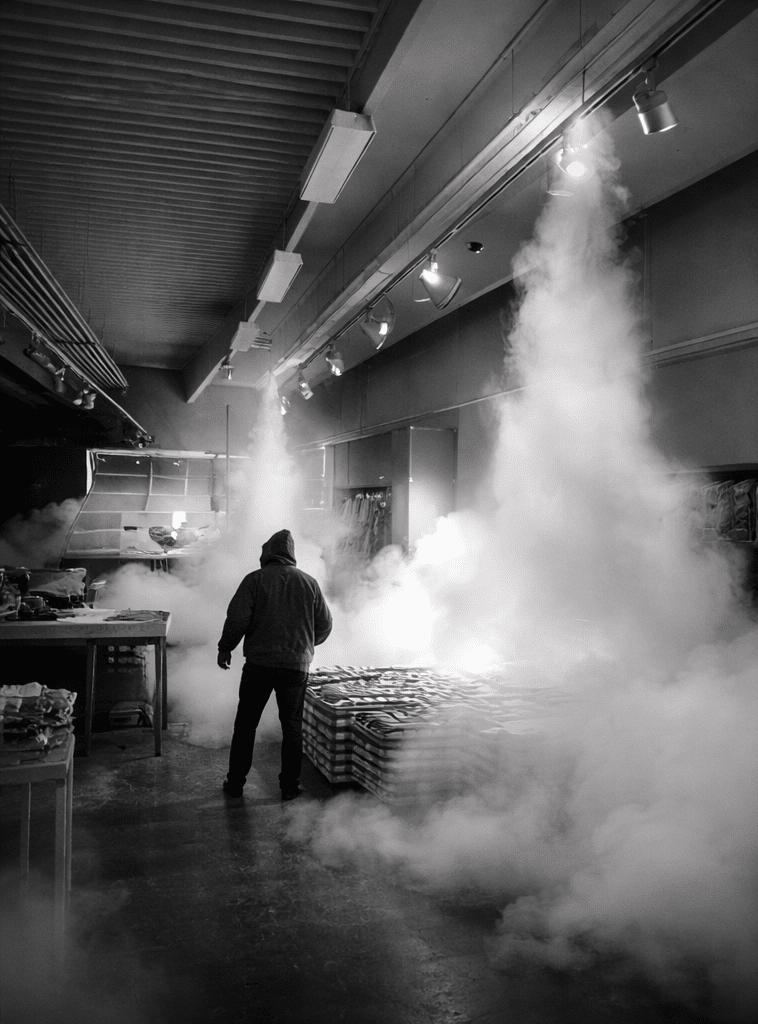
2) Featured Definition: What Does Smoke Cloak Cost Mean?
Smoke cloak cost refers to the total expense of purchasing, installing, and maintaining a security smoke system in Australia. It typically includes equipment price, installation labour, integration with alarms, commissioning, compliance checks, and ongoing servicing, with total costs varying by building size, system capacity, and use case.
3) What Is a Smoke Cloak System and Why Australians Use It
A smoke cloak system also called security smoke or fog cannon rapidly fills a protected space with dense, non-toxic fog when triggered by an alarm. The aim isn’t to restrain intruders but to remove visibility so theft becomes impossible within seconds.
In Australia, smoke cloaks are commonly used in:
- Retail stores (jewellery, electronics, tobacco)
- Warehouses and logistics facilities
- Pharmacies and medical supply stores
- Critical infrastructure rooms (servers, comms)
- High-risk residential applications
Unlike CCTV or alarms alone, smoke cloaks act during a break-in, not just before or after. This functional difference is important when assessing smoke cloak cost versus value.
4) Key Factors That Influence Smoke Cloak Cost in Australia
Smoke cloak cost is not a single figure. Instead, it’s shaped by several technical and practical factors.
4.1 Size and Volume of the Protected Area
Fog generators are rated by cubic metres. A small shopfront might need coverage for 100–150 m³, while a warehouse could exceed 1,000 m³. Larger volumes require higher-capacity units or multiple devices, increasing cost.
4.2 System Type and Output Speed
Higher-end systems fill a space in under 10 seconds. Faster dispersion generally means higher upfront cost but better real-world effectiveness.
4.3 Integration With Existing Security
If the smoke cloak integrates with:
- Intruder alarms
- Motion detectors
- Access control systems
…the integration labour affects overall smoke cloak cost.
4.4 Installation Complexity
Costs rise if:
- Ceilings are high or irregular
- Power supply upgrades are required
- Discrete mounting is needed for aesthetic reasons
4.5 Australian Compliance and Documentation
While smoke cloaks are not fire suppression systems, they must align with workplace safety expectations and be documented as part of a broader security plan. Administrative reviews and commissioning add modest but real costs.
5) Typical Smoke Cloak Cost Ranges in Australia (With Examples)
Note: The figures below are indicative estimates based on Australian market norms and installer guidance. Always request a site-specific quote.
5.1 Equipment Costs (AUD)
| Application | Typical Equipment Cost |
|---|---|
| Small retail shop | $3,000 – $5,000 |
| Medium commercial space | $5,000 – $9,000 |
| Large warehouse | $10,000 – $20,000+ |
5.2 Installation Costs
Installation usually ranges from $1,000 to $4,000, depending on wiring, mounting, and system testing.
5.3 Total Smoke Cloak Cost (Installed)
For most Australian businesses, total installed smoke cloak cost falls between:
- $4,500 and $12,000 for small to medium premises
- $15,000+ for large or complex sites
6) Purchase vs Ongoing Costs: What to Budget For
A common mistake is focusing only on upfront smoke cloak cost.
6.1 Consumables (Fog Cartridges)
Fog fluid cartridges are single-use. Costs typically range from $150–$300 per activation, depending on system size.
6.2 Servicing and Testing
Annual servicing is recommended and often required by insurers. Budget $250–$600 per year.
6.3 Monitoring and Integration
If connected to a monitored alarm service, there may be small monthly fees, though these are usually part of an existing security contract.
7) Installation Process in Australia: Step-by-Step Checklist
Here’s a simplified checklist showing how smoke cloak systems are typically deployed:
- Site inspection and volume calculation
- Risk assessment and placement planning
- Equipment selection and quoting
- Electrical and alarm integration
- Physical installation and mounting
- System commissioning and testing
- Staff handover and operational briefing
Following a structured process helps prevent cost overruns and ensures the smoke cloak cost aligns with actual risk.
8) Compliance, Standards, and Administrative Considerations
Smoke cloak systems in Australia are security devices, not fire safety systems. However, they intersect with workplace health and safety considerations.
According to guidance from the Fire Protection Association Australia, any system that affects visibility or evacuation procedures should be documented within site safety planning. This is typically handled as an administrative review, not a legal approval process.
Additionally, Safe Work Australia notes that visibility hazards must be managed through training and signage where relevant (Safe Work Australia).
9) Comparing Smoke Cloak Systems by Application
| Use Case | Recommended Capacity | Typical Smoke Cloak Cost | Key Benefit |
|---|---|---|---|
| Retail shop | Low–Medium | $4,500–$8,000 | Rapid theft prevention |
| Pharmacy | Medium | $6,000–$10,000 | Protects high-value stock |
| Warehouse | High | $12,000–$20,000+ | Area denial at scale |
| Server room | Targeted | $5,000–$9,000 | Prevents data loss |
10) Benefits vs Costs: Is a Smoke Cloak Worth the Investment?
From a cost-benefit perspective, smoke cloak systems often pay for themselves after one prevented incident.
Tangible Benefits
- Reduced theft losses
- Lower insurance risk profile
- Faster intruder exit times
Intangible Benefits
- Staff peace of mind
- Deterrence effect (signage alone helps)
- Reduced downtime after incidents
When compared with repeated theft losses, smoke cloak cost is often modest.
11) People Also Ask: Smoke Cloak Cost in Australia
How much does a smoke cloak system cost in Australia?
Most Australian installations cost between $4,500 and $12,000 installed, depending on space size and system capacity.
Are smoke cloaks legal in Australia?
Yes. Smoke cloaks are legal security devices when installed and documented appropriately as part of a broader security system.
Do smoke cloak systems trigger fire alarms?
No. Security smoke is different from fire smoke and does not activate compliant fire detection systems when installed correctly.
How long does the smoke last?
Typically 20–60 minutes, depending on ventilation and system output.
Is smoke cloak fog safe for people?
Yes. According to manufacturer data and safety guidance, the fog is non-toxic and designed for occupied spaces when used correctly.
12) Common Mistakes That Increase Smoke Cloak Cost
- Oversizing the system “just in case”
- Ignoring ceiling height in volume calculations
- Choosing incompatible alarm integration
- Skipping staff training, leading to false activations
Avoiding these mistakes keeps smoke cloak cost predictable.
13) How to Reduce Smoke Cloak Cost Without Cutting Corners
- Conduct an accurate volume assessment
- Protect only high-risk zones, not entire buildings
- Integrate with existing alarm infrastructure
- Schedule annual servicing proactively
These steps maintain effectiveness while controlling cost.
14) FAQs: Expert Answers on Smoke Cloak Cost
Does insurance cover smoke cloak installation?
Some Australian insurers recognise smoke cloaks as a risk-mitigation measure, but coverage varies. Always confirm in writing.
Can smoke cloak systems be relocated?
Yes, most systems can be removed and reinstalled, though labour costs apply.
How often do fog cartridges need replacing?
Only after activation or expiry, usually every 5–10 years if unused.
Are smoke cloaks suitable for residential use?
They can be, particularly for high-value homes, but cost-benefit should be assessed carefully.
What’s the lifespan of a smoke cloak system?
With proper servicing, 8–12 years is typical.
15) Conclusion and Next Steps
Understanding smoke cloak cost in Australia requires looking beyond headline prices. When you factor in theft prevention, operational resilience, and long-term value, smoke cloaks are often one of the most cost-effective security investments available.
If you want site-specific guidance, risk assessment, or a tailored breakdown of smoke cloak cost for your premises, explore professional solutions from specialists in smoke security systems in Australia and ensure your setup is designed for real-world conditions not guesswork.