

Table of Contents
- Introduction
- What Are Security Surveillance Camera Systems? (Featured Snippet)
- Why Security Surveillance Camera Systems Matter in Australia
- Types of Security Surveillance Camera Systems
- Key Components Explained
- Wired vs Wireless Systems: Comparison Table
- Understanding Australian Compliance & Privacy
- Choosing the Right Security Surveillance Camera System
- Installation Process: Step-by-Step Checklist
- Cost Considerations in Australia
- Data Storage, Cybersecurity & Cloud Considerations
- Industry Applications Across Australia
- People Also Ask (PAA)
- Expert Q&A Section
- Conclusion
Introduction
Security surveillance camera systems are becoming essential across Australia, from suburban homes in Brisbane to warehouses in Melbourne’s industrial corridors. Over the past decade working with property owners and facility managers, I’ve seen how the right system prevents loss, improves safety, and provides peace of mind while the wrong one wastes money and creates compliance risks.
Today’s security surveillance camera systems are far more advanced than the basic CCTV setups of the early 2000s. They integrate AI-based analytics, remote monitoring, encrypted cloud storage, and mobile alerts. However, choosing the right solution requires understanding local conditions, Australian privacy expectations, and installation best practice.
This guide explains everything clearly, without hype just practical advice grounded in Australian standards and real-world experience.
What Are Security Surveillance Camera Systems? (Featured Snippet)
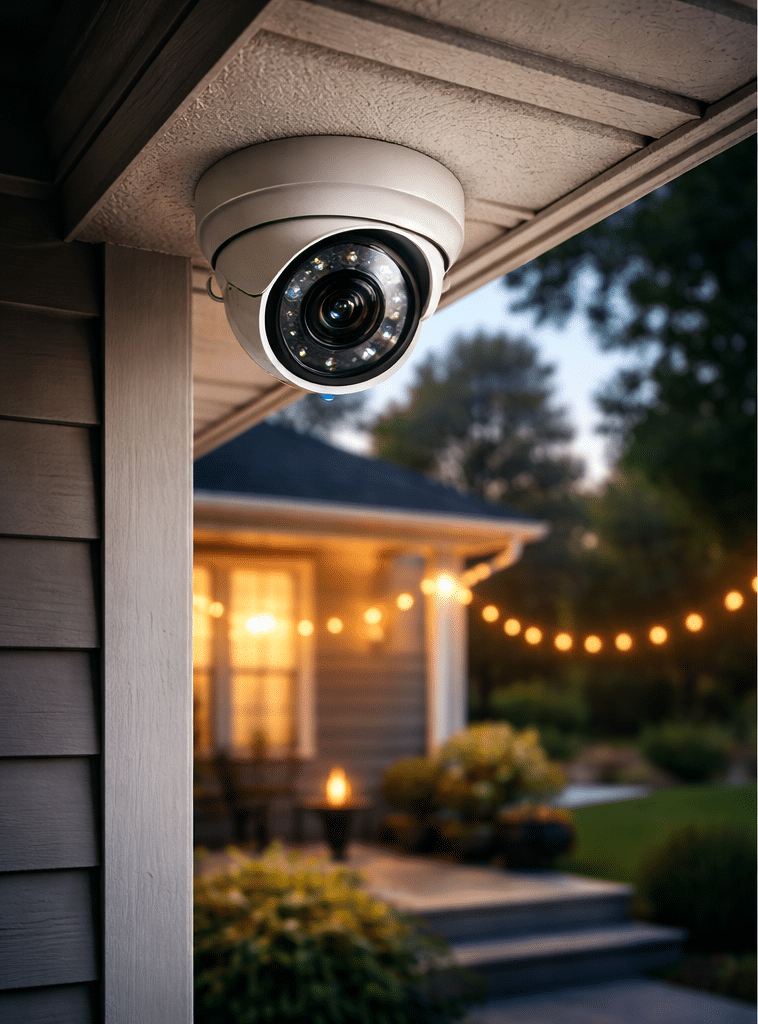
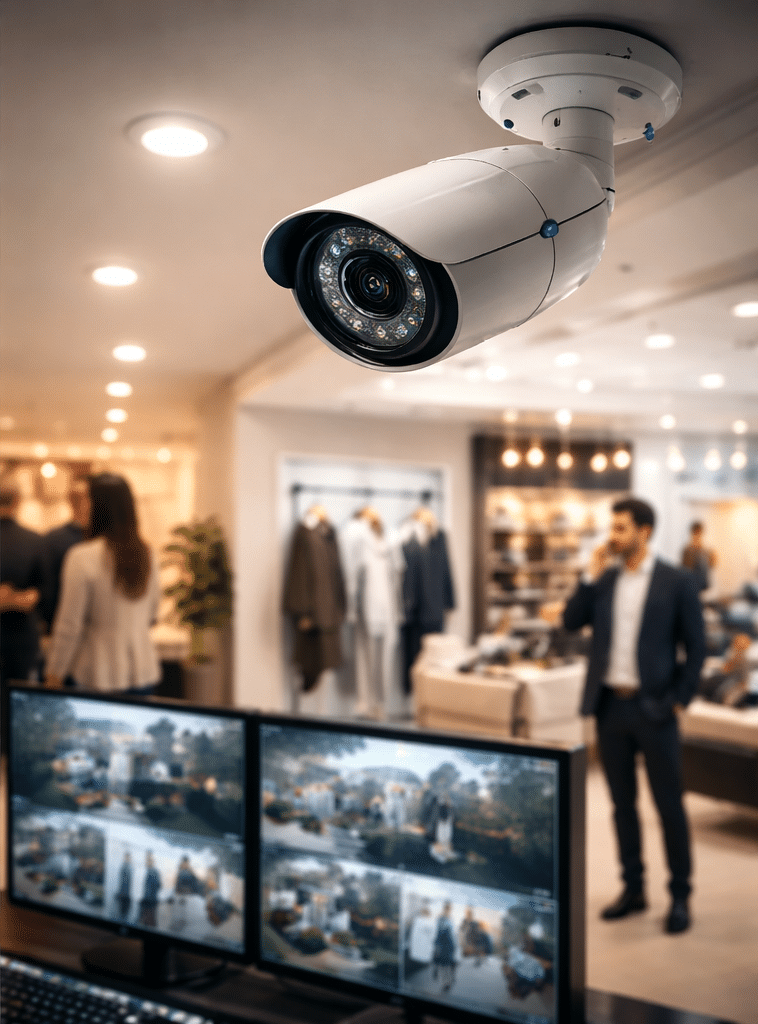
Security surveillance camera systems are integrated networks of cameras, recording devices, and software used to monitor and record activity in homes, businesses, and public spaces. In Australia, these systems often include high-definition IP cameras, secure storage, and remote access to improve safety, deter crime, and support evidence collection.
Why Security Surveillance Camera Systems Matter in Australia
Crime prevention remains a key driver. According to the Australian Bureau of Statistics, property-related offences such as unlawful entry and theft continue to affect households and businesses nationwide. While not all incidents are preventable, visible surveillance significantly deters opportunistic crime.
Additionally:
- Retailers use surveillance to reduce shrinkage.
- Warehouses rely on cameras for after-hours monitoring.
- Body corporates use them for shared access areas.
- Homeowners install them for package theft prevention.
Moreover, Australia’s geographic diversity coastal salt exposure, tropical humidity in Queensland, and extreme heat in Western Australia demands systems built for local conditions. Not all imported equipment performs reliably in these environments.
Types of Security Surveillance Camera Systems
Not all systems are equal. Choosing the right one depends on your property type and risk profile.
1. CCTV (Analogue Systems)
Traditional closed-circuit television systems transmit video to a DVR. They are often cheaper upfront but offer lower image quality and limited scalability.
Best suited for:
- Small residential setups
- Budget-focused installations
2. IP Camera Systems
Internet Protocol (IP) cameras transmit digital footage over a network. They support higher resolution (4MP, 8MP/4K), remote viewing, and analytics.
Best suited for:
- Businesses
- Large homes
- Multi-site operations
3. Wireless Systems
Wireless cameras reduce cabling requirements. However, they still require power.
They’re practical for:
- Rental properties
- Small offices
- Temporary installations
4. AI-Enabled Surveillance Systems
Modern systems incorporate motion detection, facial recognition (where legally appropriate), number plate recognition, and behavioural analytics.
The Australian Institute of Criminology has highlighted the increasing role of technology in crime prevention strategies. Smart analytics can reduce false alarms while improving incident response.
Key Components Explained
A reliable security surveillance camera system includes:
- Cameras – Dome, bullet, turret, PTZ (pan-tilt-zoom)
- NVR/DVR – Network or digital recorder
- Storage – Hard drives or encrypted cloud
- Cabling – Cat6 for IP systems
- Power Supply – PoE switches or power adaptors
- Monitoring Software – Desktop and mobile access
From my experience, the biggest mistake Australians make is focusing only on camera resolution. In reality, placement, lighting, and lens selection matter just as much.
Wired vs Wireless Security Surveillance Camera Systems
| Feature | Wired (IP/CCTV) | Wireless |
|---|---|---|
| Reliability | Very high | Moderate |
| Installation Cost | Higher upfront | Lower upfront |
| Ongoing Stability | Excellent | Depends on Wi-Fi |
| Scalability | Easy to expand | Limited |
| Best For | Commercial sites | Small homes |
For commercial clients in Sydney and Melbourne, I almost always recommend wired IP systems due to reliability. However, wireless solutions work well for smaller residential projects.
Understanding Australian Compliance & Privacy
When installing security surveillance camera systems in Australia, you must consider privacy obligations.
The Office of the Australian Information Commissioner (OAIC) provides guidance on surveillance and data collection. Businesses must ensure:
- Cameras are not installed in private areas (e.g., bathrooms).
- Signage informs individuals of surveillance.
- Data storage is secure.
- Access is limited to authorised personnel.
Important: This is an administrative consideration and should be reviewed by a licensed professional or compliance advisor.
Workplace surveillance laws differ between states (e.g., NSW Workplace Surveillance Act). Always confirm state-specific requirements.
Choosing the Right Security Surveillance Camera System
Before purchasing, ask:
- What is the primary goal? (Deterrence, evidence, monitoring?)
- How many entry points need coverage?
- What lighting conditions exist?
- Is remote access required?
- What storage duration is needed?
For example, many Australian insurers recommend at least 30 days of footage retention for commercial properties. However, storage needs vary.
Additionally, coastal properties require corrosion-resistant camera housings (IP66 or IP67 rated).
If you want expert assessment tailored to your property, explore professional-grade solutions from Australia’s trusted security surveillance camera system specialists who understand local standards and site conditions.
Installation Process: Numbered Checklist
A structured installation ensures reliability.
- Conduct a site risk assessment.
- Identify vulnerable zones and entry points.
- Determine camera types and focal lengths.
- Plan cable routes and power sources.
- Install mounting brackets securely.
- Configure NVR/DVR settings.
- Enable encryption and secure passwords.
- Test image clarity day and night.
- Set up mobile access.
- Train users on operation.
Skipping planning often results in blind spots. In my experience, 80% of poorly performing systems suffer from bad positioning not poor equipment.
Cost Considerations in Australia
Pricing varies depending on:
- Number of cameras
- System type (IP vs CCTV)
- Storage requirements
- Labour complexity
- Ongoing monitoring services
Indicative estimates (subject to site conditions):
- Basic residential system (4 cameras): $1,500–$3,500
- Medium commercial system (8–16 cameras): $4,000–$12,000+
- Enterprise multi-site systems: $20,000+
These figures are general estimates and vary based on specifications.
Data Storage, Cybersecurity & Cloud Considerations
Modern security surveillance camera systems increasingly rely on network connectivity. However, cybersecurity risks must be managed.
Best practices include:
- Changing default passwords
- Enabling two-factor authentication
- Updating firmware regularly
- Using encrypted remote access
- Restricting open ports
The Australian Cyber Security Centre (ACSC) provides baseline security advice for connected devices via the ACSC Small Business Cyber Security Guide.
Poorly secured cameras can become vulnerabilities. Therefore, professional configuration is critical.
Industry Applications Across Australia
Retail
Reduces theft and supports dispute resolution.
Construction
Monitors equipment and safety compliance.
Healthcare
Supports access control and incident documentation.
Strata & Body Corporate
Improves common area safety.
Residential
Provides peace of mind and package monitoring.
Each sector has different compliance expectations, so system design must align with operational needs.
People Also Ask (PAA)
Are security surveillance camera systems legal in Australia?
Yes, but usage must comply with privacy laws and state-based workplace surveillance regulations. Cameras cannot record in private spaces, and businesses must notify individuals of monitoring.
How long should security footage be kept in Australia?
Many businesses retain footage for 14–30 days. However, storage duration depends on operational needs and insurer requirements.
Do security surveillance camera systems deter crime?
Visible cameras significantly deter opportunistic offences. While not foolproof, they reduce risk and assist with evidence collection.
What is the difference between CCTV and IP cameras?
CCTV uses analogue signals recorded on a DVR, while IP cameras transmit digital footage over a network with higher resolution and remote access features.
Expert Q&A Section
1. What camera resolution is ideal for identification purposes?
For clear facial identification at entry points, 4MP to 8MP cameras are typically recommended. However, correct positioning and lens selection are equally important.
2. Should businesses use cloud or on-site storage?
On-site storage offers more control, while cloud provides redundancy and remote access. Many Australian businesses adopt hybrid systems for resilience.
3. How often should surveillance systems be maintained?
Annual servicing is recommended. This includes lens cleaning, firmware updates, and recording verification.
4. Can security surveillance camera systems integrate with alarms?
Yes. Modern systems integrate with alarm panels, access control, and intercom systems for unified security management.
5. Are AI features worth the investment?
For larger sites, AI analytics reduce false alerts and improve monitoring efficiency. For small homes, basic motion detection is often sufficient.
Conclusion
Security surveillance camera systems are no longer optional for many Australian homes and businesses. They protect assets, improve safety, and support operational oversight. However, choosing the right system requires careful planning, compliance awareness, and professional installation.
By understanding system types, Australian privacy considerations, storage requirements, and cybersecurity risks, you can make an informed investment that delivers real value.
If you’re ready to implement a reliable, locally compliant solution, consult experienced professionals who understand Australian conditions and standards. The right security surveillance camera system will not just record events it will actively support your safety strategy.