


Table of Contents
- Introduction
- What Are Security Cameras Fitters?
- Why Security Cameras Fitters Matter in Australia
- Types of Security Camera Systems in Australia
- How Security Cameras Fitters Work (Step-by-Step Checklist)
- Compliance, Licensing & Australian Regulations
- Costs of Hiring Security Cameras Fitters in Australia
- DIY vs Professional Security Cameras Fitters (Comparison Table)
- How to Choose the Right Security Cameras Fitters
- Common Mistakes Australians Make
- People Also Ask (PAA)
- Expert Q&A Section
- Conclusion
Introduction
If you’re searching for security cameras fitters in Australia, you’re likely aiming to protect your home or business with a reliable surveillance system. From my experience working with Australian property owners, choosing the right installer isn’t just about price, it’s about compliance, quality workmanship, and long-term reliability.
Across Australia, demand for security systems has grown due to increased awareness of property protection and insurance requirements. However, not all installers follow best practices, which can lead to poor coverage, legal issues, or wasted investment.
What Are Security Cameras Fitters?
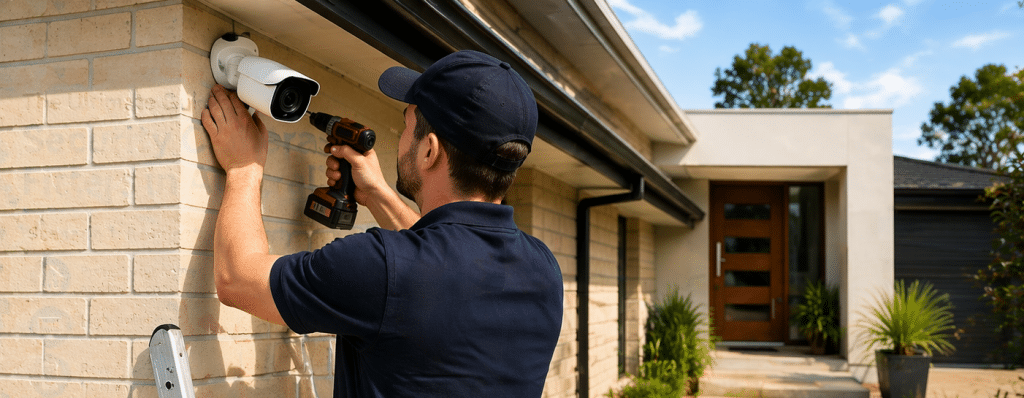
Security cameras fitters are trained professionals who install, configure, and maintain surveillance systems for homes and businesses. In Australia, they often ensure systems comply with local regulations, optimise camera placement for coverage, and integrate recording and monitoring features to enhance safety and security outcomes.
Why Security Cameras Fitters Matter in Australia
Security cameras are only as effective as their installation. Poor placement, incorrect wiring, or weak network setup can make even the best system useless.
In Australia, security cameras fitters play a critical role because:
- They understand local property layouts and risks
- They ensure compliance with privacy and surveillance laws
- They optimise coverage to avoid blind spots
- They configure remote access securely
According to the Australian Institute of Criminology, properly installed surveillance systems can significantly deter opportunistic crime when visible and functional.
Types of Security Camera Systems in Australia
Before hiring security cameras fitters, it helps to understand your options.
1. CCTV (Closed-Circuit Television)
- Traditional wired systems
- Reliable and stable
- Common in commercial properties
2. IP (Internet Protocol) Cameras
- Network-based systems
- Remote access via apps
- Higher resolution and flexibility
3. Wireless Cameras
- Easier installation
- Suitable for small homes
- May rely on Wi-Fi strength
4. Smart Security Systems
- Integrated with alarms and smart home devices
- AI-based motion detection
- Cloud storage options
From experience, most Australian homeowners now prefer IP systems due to flexibility and remote monitoring.
How Security Cameras Fitters Work (Step-by-Step Checklist)
A professional installation typically follows this process:
- Site Assessment
- Identify entry points, blind spots, and risks
- System Design
- Recommend camera types and placement
- Compliance Check
- Ensure installation aligns with local privacy guidelines
- Installation
- Mount cameras and run cabling
- Configuration
- Set up recording, apps, and alerts
- Testing
- Verify coverage and functionality
- Client Training
- Show how to use the system
This structured approach ensures long-term performance and reliability.
Compliance, Licensing & Australian Regulations
Security cameras fitters in Australia must follow state-based licensing requirements.
For example:
- In NSW and VIC, installers often require a security licence
- Privacy laws restrict recording in certain areas (e.g., neighbours’ property)
The Office of the Australian Information Commissioner outlines privacy obligations for surveillance use.
Important: This is general administrative guidance, not legal advice. Always confirm requirements with a licensed professional.
Costs of Hiring Security Cameras Fitters in Australia
Costs vary depending on system size and complexity.
Typical Price Range (Estimate)
- Small home system: $800 – $2,500
- Medium property: $2,500 – $5,000
- Commercial systems: $5,000+
Factors affecting cost:
- Number of cameras
- Wiring complexity
- Storage type (cloud vs local)
- Labour and licensing
DIY vs Professional Security Cameras Fitters
| Feature | DIY Installation | Professional Fitters |
|---|---|---|
| Cost | Lower upfront | Higher upfront |
| Quality | Variable | Consistent |
| Compliance | Risky | Ensured |
| Coverage | Often incomplete | Optimised |
| Support | Limited | Ongoing |
From experience, DIY setups often miss key angles or fail within months due to poor configuration.
How to Choose the Right Security Cameras Fitters
When selecting a provider, look for:
- Valid Australian security licence
- Positive customer reviews
- Clear pricing and scope
- Warranty and support options
- Experience with similar properties
For reliable service and expert installation, consider working with trusted professionals like
expert security camera installation services in Australia
Common Mistakes Australians Make
Many property owners unknowingly reduce their system effectiveness:
- Installing cameras too high or too low
- Ignoring night vision requirements
- Choosing low-quality equipment
- Not securing network access
- Overlooking legal boundaries
Avoiding these mistakes can significantly improve your system’s performance.
People Also Ask (PAA)
1. Do security cameras fitters need a licence in Australia?
Yes, in most states installers require a security licence. Requirements vary, so always verify with local authorities.
2. How long does installation take?
Typically 4–8 hours for a standard home system, depending on complexity and number of cameras.
3. Can security cameras be installed anywhere on my property?
No. Cameras must not invade neighbours’ privacy or restricted areas under Australian privacy guidelines.
4. Are wireless cameras reliable?
They can be, but performance depends heavily on Wi-Fi strength and network stability.
5. Do security cameras reduce insurance costs?
Some insurers offer discounts, but this depends on the provider and system quality.
Expert Q&A Section
1. What’s the best camera type for Australian weather conditions?
Outdoor-rated IP cameras with weatherproof housing (IP66 or higher) are ideal for Australia’s varied climate.
2. How often should security systems be maintained?
At least once a year. Regular checks ensure cameras, storage, and connections remain functional.
3. Is cloud storage better than local storage?
Cloud offers remote access and backup, while local storage provides control and no subscription fees. Many systems combine both.
4. Can security cameras integrate with smart homes?
Yes. Modern systems integrate with platforms like Google Home and Alexa for automation and alerts.
5. What features should I prioritise?
Focus on resolution (at least 1080p), night vision, motion detection, and secure remote access.
Conclusion
Choosing the right security cameras fitters in Australia is essential for protecting your property effectively. From compliance and system design to installation and maintenance, professionals ensure your investment delivers real value.
If you’re ready to upgrade your security with expert guidance, take the next step by exploring trusted solutions from
professional security camera specialists in Australia
A well-installed system doesn’t just record events, it helps prevent them.