


Table of Contents
- Introduction
- What Is a Security Camera System 8? (Featured Snippet)
- Why Australians Are Choosing an 8-Camera Security System
- How a Security Camera System 8 Works
- Key Features to Look for in a Security Camera System 8
- Types of 8-Camera Security Systems in Australia
- Wired vs Wireless Security Camera System 8 (Comparison Table)
- Typical Installation Process in Australia (Checklist)
- Security Camera Laws and Privacy Considerations in Australia
- Costs of Installing a Security Camera System 8
- Choosing the Right Security Camera System Provider
- People Also Ask About Security Camera System 8
- Expert Q&A About Security Camera System 8
- Conclusion
Introduction
A security camera system 8 is one of the most practical surveillance solutions for Australian homes and small businesses that need reliable coverage across multiple areas. In many cases, eight cameras provide enough visibility to monitor entrances, driveways, hallways, warehouses, and outdoor spaces without creating unnecessary complexity.
From my experience working with residential and commercial security setups in Australia, most property owners reach a point where a single camera or a basic two-camera setup simply isn’t enough. Whether you’re protecting a suburban home in Melbourne, a warehouse in Sydney, or a retail shop in Brisbane, an 8-camera security system strikes the ideal balance between coverage, cost, and manageability.
Furthermore, modern surveillance technology has advanced significantly. Today’s systems include remote mobile access, motion detection alerts, night vision, and high-definition recording. As a result, Australians are increasingly turning to comprehensive surveillance systems to deter crime and monitor property in real time.
What Is a Security Camera System 8?
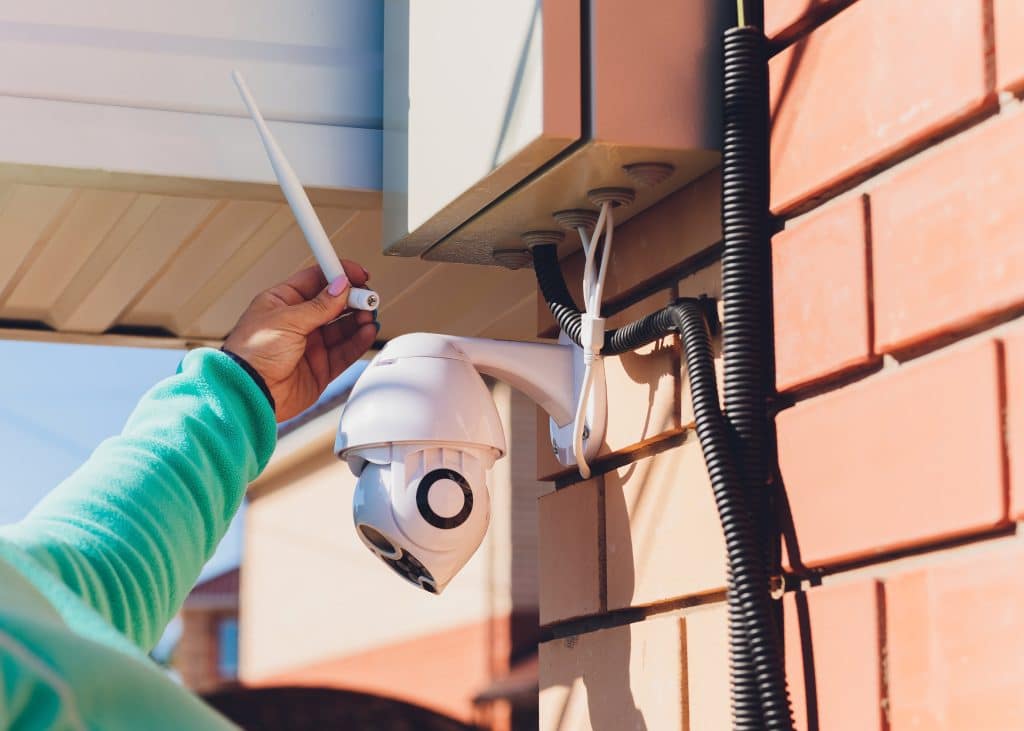
A security camera system 8 is a surveillance setup consisting of eight connected cameras linked to a recording device such as an NVR or DVR. It allows property owners to monitor multiple areas simultaneously, store video footage, and access live feeds remotely through smartphones or computers, improving security coverage for homes and businesses.
Why Australians Are Choosing an 8-Camera Security System
Australia has seen steady growth in residential and commercial surveillance installations. Property owners want better visibility and stronger deterrence against theft, vandalism, and unauthorised access.
According to the Australian Institute of Criminology, surveillance technology plays an important role in crime prevention and evidence collection in many environments (Australian Institute of Criminology). While cameras do not eliminate crime completely, visible security systems can reduce opportunistic offences.
Key reasons Australians choose an 8-camera system
1. Full property coverage
An eight-camera system allows monitoring of key locations such as:
- Front entrance
- Back door
- Garage
- Driveway
- Side access paths
- Living areas or corridors
- Retail floors
- Storage areas
2. Balanced cost vs coverage
Smaller systems often lack coverage, while larger enterprise systems can be expensive. Eight cameras provide sufficient monitoring for most medium-sized properties.
3. Remote monitoring
Modern systems allow homeowners and business operators to monitor their property from anywhere using mobile apps.
4. Evidence collection
High-resolution cameras can capture clear footage that may assist authorities when investigating incidents.
How a Security Camera System 8 Works
Understanding how the system functions helps you choose the right equipment and configuration.
1. Cameras capture video
Each camera records video from its specific location. Most modern systems use:
- HD cameras (1080p or higher)
- Infrared night vision
- Wide-angle lenses
2. Video is transmitted to a recorder
The video signal travels to a central recorder:
- DVR (Digital Video Recorder) – used with analogue cameras
- NVR (Network Video Recorder) – used with IP cameras
IP systems are increasingly common because they offer better image quality and scalability.
3. Footage is stored
Video is stored on hard drives inside the recorder. Storage duration depends on:
- Number of cameras
- Recording resolution
- Hard drive size
- Motion detection settings
4. Remote access
Many systems allow remote viewing via mobile apps or browsers. This means users can check cameras from work, while travelling, or even overseas.
Key Features to Look for in a Security Camera System 8
Choosing the right system involves more than just the number of cameras.
1. High-resolution video
Look for 1080p, 4MP, or 4K cameras. Higher resolution helps identify faces, vehicles, and licence plates.
2. Night vision capability
Australian properties often require overnight monitoring. Infrared night vision allows cameras to capture footage even in complete darkness.
3. Motion detection alerts
Motion alerts notify users instantly when movement occurs. This helps property owners respond quickly.
4. Weatherproof cameras
Outdoor cameras should be rated IP66 or IP67 to withstand rain, heat, and dust common in Australian climates.
5. Secure data storage
Footage should be protected with password authentication and encryption.
According to the Australian Cyber Security Centre, securing network devices is essential to prevent unauthorised access (Australian Cyber Security Centre).
Types of 8-Camera Security Systems in Australia
Several system types are available depending on your property and budget.
1. Wired CCTV systems
Traditional CCTV systems use cables to connect cameras to a DVR.
Pros
- Stable connection
- Lower cost
- Reliable recording
Cons
- More complex installation
2. Wireless camera systems
Wireless cameras transmit footage via Wi-Fi.
Pros
- Easier installation
- Flexible placement
Cons
- Dependent on network strength
3. IP security systems
IP systems connect cameras through a network and use an NVR.
Pros
- High-definition video
- Remote access
- Scalable
Cons
- Higher upfront cost
Wired vs Wireless Security Camera System 8
| Feature | Wired System | Wireless System |
|---|---|---|
| Reliability | Very stable | Depends on Wi-Fi |
| Installation | More complex | Easier |
| Video Quality | High | High but network-dependent |
| Cost | Usually cheaper | Slightly higher |
| Maintenance | Minimal | May require network troubleshooting |
For most Australian businesses, wired IP systems provide the best balance of reliability and performance.
Typical Installation Process in Australia
Installing a security camera system 8 generally follows a structured process.
Installation checklist
- Property assessment – Identify high-risk areas and camera placement.
- Coverage planning – Ensure all entry points are visible.
- Cable routing – Plan discreet and safe cable paths.
- Camera mounting – Install cameras securely at optimal heights.
- Recorder setup – Configure NVR or DVR system.
- Network configuration – Enable remote access and mobile apps.
- Testing and adjustments – Confirm camera angles and recording quality.
Professional installers often recommend placing cameras 2.5–3 metres high to prevent tampering while maintaining clear visibility.
Security Camera Laws and Privacy Considerations in Australia
Security cameras are legal in Australia, but there are important privacy considerations.
Key privacy principles
Under the Office of the Australian Information Commissioner (OAIC) guidelines, organisations collecting video footage must ensure responsible use of surveillance technology (Office of the Australian Information Commissioner).
Common compliance considerations
- Avoid recording areas where people expect privacy (bathrooms, change rooms).
- Inform visitors if surveillance is operating.
- Store footage securely.
- Limit access to authorised personnel.
These considerations are administrative compliance practices rather than legal advice, and property owners may wish to consult qualified professionals if unsure.
Costs of Installing a Security Camera System 8
Prices vary depending on camera quality and installation complexity.
Typical price estimates in Australia
| System Type | Estimated Cost Range |
|---|---|
| Basic 8-camera kit | $800 – $1,500 |
| Mid-range professional system | $1,500 – $3,000 |
| High-end commercial system | $3,000 – $6,000+ |
Installation costs may also depend on:
- Cable runs
- Building layout
- Network integration
Professional installation ensures proper configuration and long-term reliability.
Choosing the Right Security Camera System Provider
When selecting a provider, Australian property owners should consider several factors.
Important selection criteria
Experience
Choose installers who specialise in surveillance systems and understand local requirements.
Quality equipment
Reliable brands typically provide longer warranties and better performance.
Technical support
Ongoing support helps maintain system performance.
If you’re planning to install an 8-camera surveillance setup, working with experienced professionals can make a significant difference in system reliability and coverage. For tailored solutions and expert installation support, explore professional services from trusted Australian security camera specialists.
People Also Ask About Security Camera System 8
What does an 8-camera security system cover?
An 8-camera system typically covers a medium-sized property such as a family home, office, or retail store. Cameras can monitor entrances, driveways, outdoor areas, and indoor spaces simultaneously, improving overall surveillance coverage.
How long does an 8-camera system store footage?
Storage duration depends on resolution, motion settings, and hard drive capacity. Most systems store 7–30 days of footage before overwriting older recordings.
Are security cameras legal in Australia?
Yes, security cameras are generally legal. However, surveillance should respect privacy expectations and follow relevant state guidelines regarding monitoring and data storage.
Can I view my cameras remotely?
Most modern systems allow remote access through mobile apps or web browsers. This enables users to monitor live footage and review recordings from anywhere with internet access.
Do security cameras prevent crime?
Security cameras act as a deterrent and provide valuable evidence if incidents occur. Studies show that visible surveillance can reduce opportunistic crimes in certain environments.
Expert Q&A About Security Camera System 8
1. What is the ideal camera placement for an 8-camera system?
The best placement usually includes entrances, driveways, side access points, and key interior areas. Cameras should be positioned to avoid glare and ensure clear facial visibility.
2. How much internet speed does a system require?
Most systems use minimal bandwidth for recording. However, remote viewing may require 5–10 Mbps upload speed for smooth streaming.
3. Should I choose 4K cameras?
4K cameras provide sharper images and better digital zoom. However, they require larger storage capacity and higher bandwidth.
4. How often should security systems be maintained?
It is recommended to check cameras every few months. Cleaning lenses, verifying recording functions, and updating firmware helps maintain system reliability.
5. Can security systems integrate with smart home devices?
Yes. Many modern IP camera systems integrate with smart home platforms, alarms, and access control systems to create a unified security environment.
Conclusion
A security camera system 8 offers one of the most effective ways for Australian homeowners and businesses to improve property security. With eight cameras providing comprehensive coverage, users gain better visibility, stronger deterrence, and reliable evidence if incidents occur.
Moreover, advances in camera technology such as high-definition video, motion alerts, and remote monitoring make modern surveillance systems easier to manage than ever before.
If you’re considering installing a professional surveillance system tailored to Australian properties, exploring solutions from experienced providers is a smart next step. Learn more about customised security options by visiting professional security camera installation services in Australia.
With the right setup and responsible use, a well-planned surveillance system can significantly improve safety, awareness, and peace of mind.