


Table of Contents
- Introduction
- Definition
- Why Australians Search for Security Camera Installers Near Me
- What a Professional Installer Actually Does
- How to Compare Security Camera Installers Near Me
- Australian Licensing, Privacy and Admin Checks
- DIY vs Professional Installation Comparison
- Typical Installation Process in Australia
- How Much Security Camera Installation Usually Costs
- Best Camera Types for Australian Homes and Businesses
- Mistakes to Avoid When Hiring Security Camera Installers Near Me
- Checklist Before You Book
- People Also Ask
- Q&A Section
- Conclusion
Introduction
When people search security camera installers near me, they usually want three things at once: fast help, clear pricing, and confidence that the system will actually protect their home or business. In Australia, that search is also tied to local realities such as harsh weather, different state licensing rules, internet reliability, and privacy expectations around recording people on private property or at work.
That is why choosing an installer is not just about finding someone nearby. It is about finding someone who understands where to place cameras, how to reduce blind spots, how to handle cabling cleanly, how to set up remote viewing securely, and how to explain compliance in plain English. A decent installer will save you time. A great one will save you from false alarms, poor night vision, patchy coverage, and expensive rework later.
In practice, Australian buyers often begin with convenience. They type a location-based query into Google, compare a few local businesses, and book the first one that looks reliable. However, proximity alone is not enough. The better question is whether the installer can design the right system for your property, document the setup properly, and support you after installation.
Definition
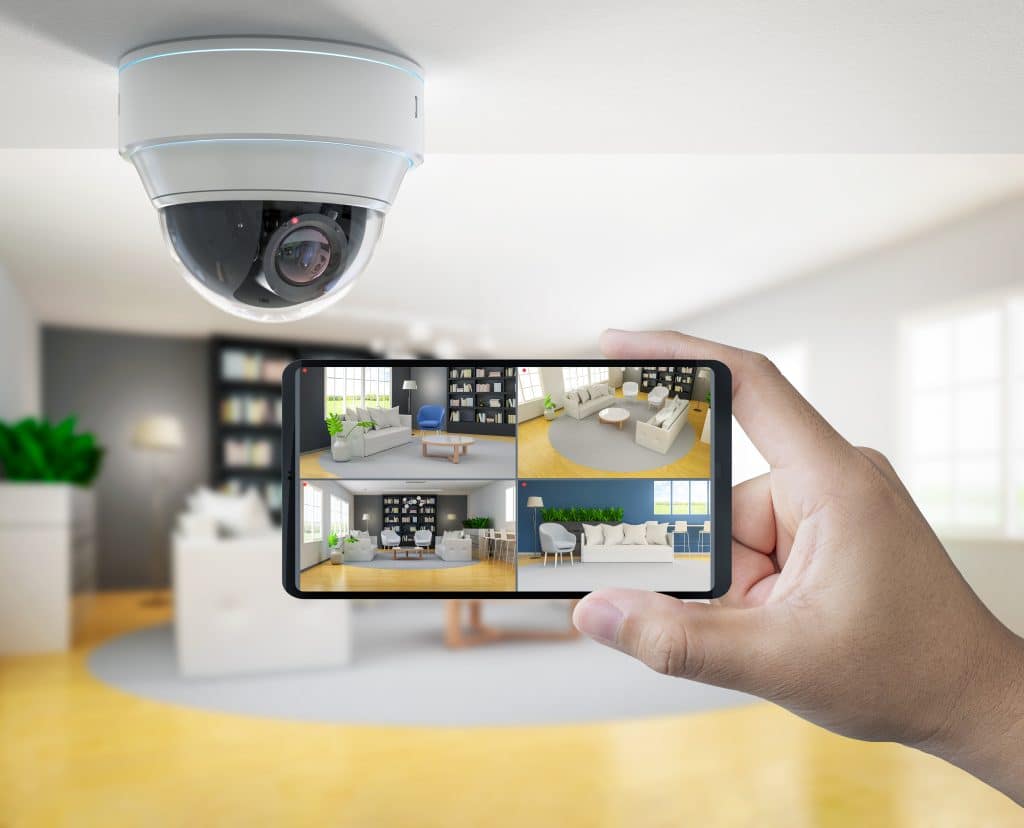
Security camera installers near me are local professionals who assess your property, recommend suitable CCTV or IP cameras, install and configure the system, test recording and remote access, and help you meet practical privacy and admin obligations. The best Australian installers combine strong technical work with clear advice, tidy workmanship, and ongoing support.
Why Australians Search for Security Camera Installers Near Me
Australians do not search this phrase just because they want cameras on a wall. They search it because they want peace of mind. Sometimes that means protecting a family home. Sometimes it means monitoring a warehouse roller door, a retail entry, a reception area, or a side lane behind a café. Either way, the buyer wants a system that works when it matters.
A local installer usually has several advantages.
First, they understand the environment. Australian properties often deal with strong sun, salt air near the coast, dust, heat, storms, and long driveways. A camera that looks fine on paper can fail in real conditions if the housing, angle, storage setup, or network design is wrong.
Second, a local provider is easier to reach if something stops working. That matters more than many people realise. Cameras can go offline after router changes, power issues, firmware updates, or storage faults. Having a nearby team can make support much faster.
Third, local installers tend to understand state-based admin requirements better. In Australia, licensing for security work is not handled by one single national rule. Industry guidance from ASIAL’s security licensing overview notes that each state and territory has its own licensing requirements and regulator, and that most states and territories require both businesses and individuals to be licensed.
That point matters because the phrase “near me” should not only mean close in distance. It should also mean relevant to your state, your property type, and your risk profile.
What a Professional Installer Actually Does
Many buyers assume installation means drilling a few holes and connecting a recorder. In reality, a competent installer does much more.
A proper installer starts with a site assessment. They look at entries, exits, blind spots, lighting conditions, likely intrusion paths, and the practical limits of the building. They should also ask what you want the cameras to achieve. Are you trying to identify faces, monitor deliveries, watch vehicle access, reduce theft, check on staff safety, or review incidents after hours? Each goal changes the design.
Next comes system selection. This usually includes choices around:
- camera type
- lens angle
- resolution
- night vision performance
- wired versus wireless setup
- recorder or cloud storage
- phone access
- retention period for footage
- notifications and analytics
Then there is placement. This is where good installers stand out. They know that a camera mounted too high may show movement but fail to identify a face. They know backlighting can ruin a clear image. They know wide-angle coverage is useful, but not if it turns important details into blurry dots.
After that comes physical installation, cable routing, power planning, recorder setup, mobile app pairing, testing, and handover. Better installers also provide a simple walkthrough, explain how to replay footage, and document the system so future servicing is easier.
In other words, the best answer to security camera installers near me is not “who can install a camera fastest?” It is “who can design a system that works properly for my property?”
How to Compare Security Camera Installers Near Me
When you compare providers, look beyond star ratings. Reviews help, but they do not tell the whole story. Instead, focus on fit, clarity, and evidence.
1. Ask what problem they are solving
A strong installer will ask smart questions before quoting. They should want to know:
- what you need to monitor
- whether you need identification or general observation
- whether the site is residential, retail, office, warehouse, strata, or mixed-use
- how long footage should be kept
- whether remote viewing is essential
- whether there are privacy-sensitive areas nearby
2. Check how detailed the quote is
A proper quote should make it easy to compare options. It should identify:
- number of cameras
- camera type and resolution
- storage method
- labour included
- cabling and mounting details
- app setup
- warranty terms
- ongoing servicing, if any
Vague quotes often lead to vague results.
3. Look for practical explanations
The right installer should explain why one option suits you better than another. For example, a driveway may need number plate-friendly positioning, while a front entry may need stronger facial detail and clear two-way audio.
4. Ask about support after installation
This matters a lot. Will they help if remote viewing stops working? Can they expand the system later? Do they offer maintenance visits? Do they guide firmware updates?
5. Confirm licensing and admin readiness
Because Australian licensing can vary by state and territory, it is sensible to ask the installer to confirm the licence position that applies in your area and trade scope. This is an administrative check, not legal advice.
Australian Licensing, Privacy and Admin Checks
This is where many articles go vague. It is better to be clear.
In Australia, security camera installation can intersect with privacy, workplace surveillance, signage, and state-based security licensing. The details vary depending on whether the site is a home, a business, or a workplace, and whether the installer is performing security industry work that is regulated in that state.
The Office of the Australian Information Commissioner says that if an organisation or agency is covered by the Privacy Act, any personal information collected through surveillance must comply with the Australian Privacy Principles. The OAIC says those entities must tell people their image may be captured before recording, keep recorded personal information secure, and destroy or de-identify it when it is no longer needed. The OAIC also notes that state and territory surveillance and monitoring laws apply as well.
That is a practical point for businesses. If your cameras record customers, staff, contractors, or visitors, your installer should at least flag signage, data handling, and storage practices as part of the discussion.
The Australian Government’s business.gov.au guidance on installing video surveillance adds practical best practice tips. It recommends telling staff in writing about surveillance devices, using visible cameras, placing signs at every entrance, and not installing cameras in private areas such as fitting rooms, shower areas, toilets, or change rooms.
On licensing, the national picture is not one-size-fits-all. ASIAL’s industry guidance says each state and territory has its own regulator and licensing framework. For example, the Queensland Government states that a security equipment installer licence authorises work on alarms, monitoring systems, audio or visual recording systems, and access control devices, and says you need a current licence to do that job in Queensland.
For that reason, when reviewing security camera installers near me, ask the provider to confirm:
- which licence class or regulator applies in your state or territory
- whether the business entity and the individual technician hold the required approvals
- whether they handle privacy signage or provide guidance on it
- whether audio recording is enabled, and if so, how they manage the extra sensitivity around that feature
- whether they provide a simple commissioning record and user handover
This is administrative due diligence. It is not legal advice. Still, it is one of the smartest checks you can make before booking.
DIY vs Professional Installation Comparison
The table below gives a practical comparison for Australian buyers.
| Factor | DIY Camera Kit | Budget Installer | Professional Security Installer |
|---|---|---|---|
| Upfront cost | Usually lowest | Mid-range | Higher initial spend |
| System design | Basic, self-directed | Limited advice | Tailored to site risks |
| Camera placement | Often trial and error | Acceptable in simple sites | Optimised for coverage and identification |
| Cabling finish | Depends on skill | Mixed quality | Typically tidy and documented |
| Network and app setup | Self-managed | Basic setup | Full configuration and testing |
| Privacy/admin guidance | Rare | Sometimes limited | Usually discussed clearly |
| Licensing awareness | Buyer must check | Varies | More likely to understand local requirements |
| After-sales support | Minimal | Basic | Ongoing support more common |
| Best for | Very small, simple spaces | Basic homes | Homes, shops, offices, warehouses, multi-point sites |
For many Australians, DIY works for a small front door camera or a basic backyard setup. However, once you need multiple cameras, recorder integration, reliable playback, remote access, or cleaner compliance handling, a professional installer usually gives better value over time.
Typical Installation Process in Australia
A good installer follows a clear sequence rather than improvising on the day.
1. Discovery call
You explain the property, the concerns, and what you want the system to achieve.
2. Site inspection
The installer checks entry points, lighting, mounting positions, internet access, power, and storage options.
3. Scope and quote
You receive a recommendation, itemised pricing, and a summary of what is included.
4. Pre-install checks
This may include discussing signage, retention preferences, app users, and future expansion.
5. Installation day
Cameras are mounted, cables run, recorders installed, remote access configured, and views aligned.
6. Testing and commissioning
The system is tested in day and night conditions where possible. Motion zones, recording schedules, and alerts are adjusted.
7. Handover
You learn how to view live footage, search recordings, export clips, and manage users.
8. Follow-up support
A quality provider checks whether the system is working as expected after a short bedding-in period.
This process is one reason the best security camera installers near me tend to win on trust. They are methodical. They are not just selling hardware.
How Much Security Camera Installation Usually Costs
Costs vary a lot, so any figure should be treated as an estimate only. The final price depends on the number of cameras, cable runs, recorder size, storage duration, internet conditions, mounting difficulty, and whether your site is residential or commercial.
As a broad guide in Australia:
- a simple one- or two-camera residential job may sit at the lower end
- a four-camera wired system with recorder, setup, and app configuration usually costs more, but gives better long-term reliability
- commercial jobs rise quickly when you need higher camera counts, better analytics, multiple user permissions, or out-of-hours staging
When comparing quotes, do not only compare the total figure. Compare what is included. A lower quote can become expensive if it excludes storage, app setup, signage discussion, cable concealment, or follow-up support.
Also ask about long-term costs:
- hard drive replacement
- firmware support
- maintenance visits
- cloud storage fees, if relevant
- adding extra cameras later
Cheap systems often look fine on day one. The real test comes six months later, when you need to find footage quickly and the recorder is full, the app has changed, or the camera image is unclear at night.
Best Camera Types for Australian Homes and Businesses
When people search security camera installers near me, they are often unsure what system type suits them. Here is a simple guide.
Bullet cameras
These are common for perimeter coverage. They are visible, easy to position, and often work well for driveways, side access, and car parks.
Dome cameras
These are popular indoors and under eaves. They can be more discreet and harder to tamper with.
Turret cameras
A favourite for many installers because they often balance image quality, night performance, and easy adjustment.
PTZ cameras
Pan-tilt-zoom cameras are useful in larger sites, but they are not always the best first choice. One moving camera can miss what a few fixed cameras would capture continuously.
Doorbell and smart cameras
These suit smaller homes and renters, though they may not replace a proper multi-camera system if broad coverage is needed.
Wired IP systems
These are usually stronger for reliability, image quality, and scaling across larger properties.
Wireless systems
These can be convenient in simple setups, but performance depends heavily on Wi-Fi stability and battery management if the units are not mains-powered.
A professional installer should recommend based on risk, not fashion. A flashy feature list means little if the system fails at the exact point where you need evidence.
Mistakes to Avoid When Hiring Security Camera Installers Near Me
A lot of bad outcomes come from a few predictable mistakes.
Choosing on price alone
Price matters, but a very cheap quote can mean weak cameras, poor storage, rushed labour, or no real support.
Ignoring night performance
Many incidents happen after dark. Always ask to see realistic night footage examples.
Overlooking storage
Some people focus only on live viewing. Later, they discover the system keeps too little footage or makes it hard to find important clips.
Installing cameras too high
A high-mounted camera may cover more area, but identification quality can suffer badly.
Forgetting signage and privacy
For businesses and workplaces especially, clear notice and sensible placement matter. OAIC guidance and business.gov.au best practice both stress notice, visible cameras, security of recordings, and avoiding private areas.
Failing to plan for expansion
You may start with four cameras and need eight later. Ask whether the recorder and network design allow that.
Not asking who owns the passwords
Make sure you receive admin access, handover details, and a simple record of devices and logins.
Checklist Before You Book
Use this numbered checklist before choosing from the security camera installers near me results in Google.
- Confirm your goal. Decide whether you want deterrence, identification, general monitoring, or all three.
- List the priority zones. Mark front entry, side gates, driveway, loading area, reception, tills, or rear laneway.
- Ask for an itemised quote. Request camera models, storage, labour, setup, and warranty details.
- Check licence position. Ask the installer to confirm the relevant state or territory licensing requirements for your job scope.
- Discuss privacy and signage. Especially for workplaces, retail, or common areas.
- Ask about footage retention. Decide how many days of storage you want.
- Test remote access expectations. Confirm app setup, user permissions, and playback speed.
- Review after-sales support. Ask what happens if a camera drops offline or a hard drive fails.
- Consider future growth. Make sure the system can add cameras later.
- Get handover documentation. Request a simple record of layout, passwords, recorder details, and support contacts.
This checklist helps turn a rushed search into a confident buying decision.
People Also Ask
How do I find the best security camera installers near me in Australia?
Start with local providers that offer site inspections, itemised quotes, and clear post-install support. Then check whether they understand your state’s licensing position and can explain privacy signage and camera placement in plain English.
Do security camera installers near me need a licence in Australia?
Often, yes, but it depends on the state or territory and the exact type of work being done. ASIAL says each jurisdiction has its own requirements, and Queensland expressly states that a current security equipment installer licence is needed for that class of work.
Is it legal to install security cameras at my business?
It can be, but you need to think about privacy and surveillance rules, particularly if your cameras record people. OAIC and business.gov.au guidance emphasise notice, secure handling of recorded information, and avoiding private areas such as toilets, change rooms, and similar spaces.
Are wired systems better than wireless systems?
For many larger or more important sites, wired systems are generally more reliable and easier to scale. Wireless can still be suitable for smaller homes or lower-complexity setups where convenience matters more.
How much should I expect to pay for installation?
Pricing depends on camera count, cable complexity, storage, and whether the job is residential or commercial. The best way to compare value is to review what is included, not just the headline number.
Q&A Section
1. What should I ask an installer before approving the quote?
Ask what problem the system is designed to solve, what camera positions they recommend, how many days of footage you will retain, whether night-time identification is realistic, and what support is included after the install. Also ask them to confirm any licensing and admin requirements relevant to your location and property type.
2. Is cloud recording always better than local recording?
Not always. Cloud recording can be convenient for quick access and off-site backup, but local recorders often provide stronger value for multi-camera systems and can avoid ongoing fees. The right answer depends on your internet reliability, footage retention needs, and how quickly you need to retrieve evidence.
3. Should I choose visible cameras or discreet cameras?
Visible cameras are often better for deterrence. Discreet cameras can be useful where aesthetics or lower-profile monitoring matters. Many Australian properties benefit from a mix: visible perimeter cameras for deterrence and carefully positioned entry cameras for identification.
4. How many cameras does a typical property need?
A small home may only need two to four cameras, while a larger residence or business may need more. The correct number depends on entrances, blind spots, valuables, access patterns, and whether you need broad coverage or detailed identification at specific points.
5. What happens after installation if something changes?
A good installer should be able to reposition a camera, add storage, expand the system, or update user access as your needs change. That is another reason to choose a provider with strong after-sales support rather than the cheapest one-off install.
Conclusion
Searching security camera installers near me in Australia should lead you to more than a nearby technician. It should lead you to a provider who understands your property, explains options clearly, installs the system neatly, and helps you handle practical privacy and admin checks without confusion.
The smartest buyers compare more than price. They compare planning, workmanship, support, and whether the installer can tailor the system to Australian conditions and state-based requirements. When you do that, you are far more likely to end up with a system that is useful every day and dependable when something goes wrong.
If you want a local team that focuses on practical advice, quality installation, and support that makes sense for Australian homes and businesses, explore professional security camera installation services in Australia.