


Table of Contents
- Introduction
- What Are Security Camera Installers?
- Why Security Camera Installers Matter in Australia
- Types of Security Camera Systems
- How Security Camera Installers Work (Step-by-Step)
- Legal and Regulatory Considerations in Australia
- Costs of Hiring Security Camera Installers
- DIY vs Professional Security Camera Installers (Comparison Table)
- How to Choose the Right Security Camera Installer
- Checklist Before Hiring an Installer
- Technology Trends in Security Cameras
- People Also Ask (PAA)
- Expert Q&A Section
- Conclusion
Introduction
If you’re searching for security camera installers in Australia, you’re likely looking to protect your home or business with a reliable surveillance system. From my experience working with Australian clients, the biggest challenge isn’t choosing a camera, it’s choosing the right installer who understands local regulations, property layouts, and security risks.
With increasing concerns around property safety, security cameras have become a practical necessity rather than a luxury. However, proper installation is critical. A poorly installed system can leave blind spots, reduce image quality, or even breach privacy laws. That’s why working with experienced security camera installers is essential for long-term protection and compliance.
What Are Security Camera Installers?
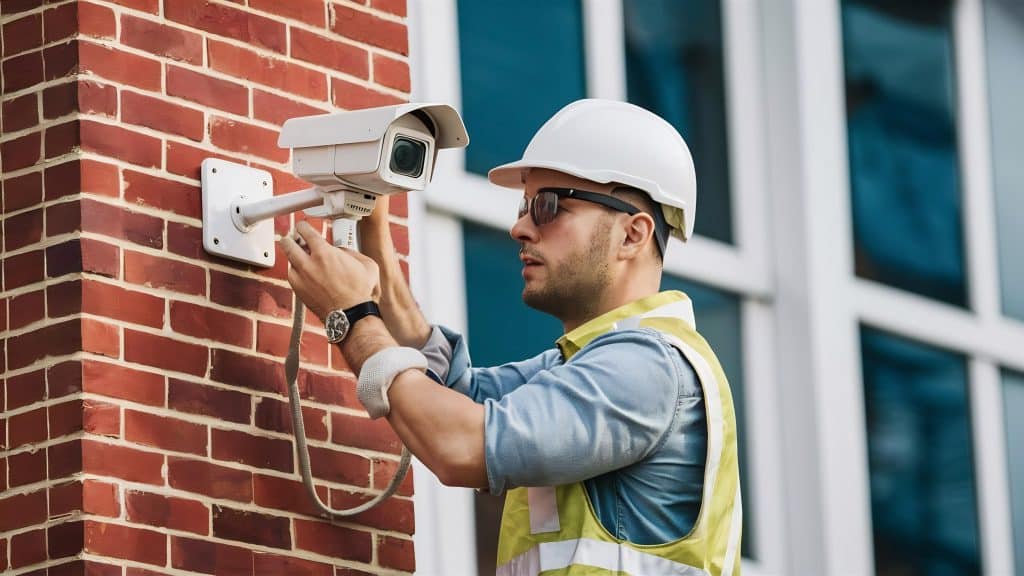
Security camera installers are trained professionals who design, install, and maintain surveillance systems for homes and businesses. They ensure cameras are positioned correctly, comply with Australian regulations, and integrate with networks for monitoring. Their expertise helps maximise coverage, reliability, and legal compliance.
Why Security Camera Installers Matter in Australia
Australia has unique security considerations, from suburban burglary risks to commercial compliance requirements. Professional installers provide:
- Correct placement: Avoid blind spots and maximise coverage
- Compliance: Align with privacy and surveillance laws
- System integration: Connect cameras with alarms and mobile apps
- Reliability: Reduce technical issues and downtime
According to the Australian Institute of Criminology, visible security measures like cameras can act as a deterrent to opportunistic crime. This makes proper installation not just helpful, but essential.
Types of Security Camera Systems
Understanding the types of systems helps you work effectively with security camera installers.
1. CCTV Systems
Traditional wired systems, commonly used in businesses.
2. IP (Internet Protocol) Cameras
Modern systems that transmit data over networks, allowing remote access.
3. Wireless Cameras
Ideal for residential use due to easy installation.
4. Smart Security Systems
Integrated with AI features like motion detection and facial recognition.
How Security Camera Installers Work (Step-by-Step)
Professional security camera installers typically follow a structured process:
1. Site Assessment
They evaluate your property layout, entry points, and risk areas.
2. System Design
Customise camera types, placement, and storage solutions.
3. Installation
Mount cameras, run wiring, and configure software.
4. Testing
Ensure all cameras function correctly and cover required areas.
5. Training
Show you how to use the system effectively.
Legal and Regulatory Considerations in Australia
When hiring security camera installers, compliance is critical.
Key Regulations:
- Privacy Act 1988 (Cth): Governs how personal data is collected and used
- State Surveillance Laws: Vary by state (e.g., NSW Surveillance Devices Act)
- Signage Requirements: Inform people they are being recorded
According to the Office of the Australian Information Commissioner, businesses must ensure surveillance does not unreasonably intrude on privacy.
Important: Installers often assist with compliance, but final legal responsibility rests with the property owner.
Costs of Hiring Security Camera Installers
Costs vary depending on system complexity:
| System Type | Average Cost (AUD) |
|---|---|
| Basic Home Setup | $500 – $1,500 |
| Mid-Range System | $1,500 – $5,000 |
| Commercial Systems | $5,000+ |
Factors affecting cost:
- Number of cameras
- Wiring complexity
- Storage solutions
- Smart features
DIY vs Professional Security Camera Installers
| Feature | DIY Installation | Professional Installers |
|---|---|---|
| Cost | Lower upfront | Higher upfront |
| Expertise | Limited | High |
| Compliance | Risky | Safer |
| Reliability | Variable | Consistent |
| Support | None | Ongoing |
Insight: While DIY can save money, professional security camera installers provide long-term value and peace of mind.
How to Choose the Right Security Camera Installer
Here’s what to look for:
Experience
Choose installers with proven Australian projects.
Licensing
Ensure compliance with local electrical and security licensing.
Reviews
Check verified customer feedback.
Warranty
Look for workmanship guarantees.
Transparency
Clear pricing and no hidden costs.
For reliable service and expert guidance, consider working with professional security camera installers in Australia who understand local requirements and provide tailored solutions.
Checklist Before Hiring an Installer
- Define your security goals
- Set a realistic budget
- Confirm licensing and insurance
- Ask about compliance with Australian laws
- Request a detailed quote
- Review past installations
- Check warranty and support options
Technology Trends in Security Cameras
Modern security camera installers are adapting to new technologies:
- AI-powered analytics: Detect suspicious behaviour
- Cloud storage: Secure and accessible data
- Mobile integration: Real-time monitoring
- 4K resolution: Clearer footage
According to Statista, global surveillance technology adoption continues to grow, reflecting increased demand for advanced security solutions.
People Also Ask (PAA)
1. How much do security camera installers cost in Australia?
Costs typically range from $500 to over $5,000 depending on system size and complexity. Residential setups are generally more affordable than commercial installations.
2. Do I need permission to install security cameras in Australia?
Yes, you must comply with privacy laws and avoid recording private areas without consent. Requirements vary by state.
3. How long does installation take?
Most residential installations take 4–8 hours, while larger systems may require multiple days.
4. Are wireless cameras better than wired systems?
Wireless cameras are easier to install, but wired systems often provide more stable connections and higher reliability.
5. Can I install security cameras myself?
Yes, but professional installers ensure proper placement, compliance, and long-term reliability.
Expert Q&A Section
1. What qualifications should security camera installers have in Australia?
Installers should hold relevant electrical or security licences depending on the state. This ensures compliance with safety and regulatory standards.
2. How often should security systems be maintained?
Maintenance is recommended at least once a year to ensure cameras function properly and software is updated.
3. What storage options are available for security footage?
Options include local DVR/NVR systems and cloud storage. Each has benefits in terms of access and security.
4. Can security cameras integrate with alarm systems?
Yes, modern systems can integrate with alarms, access control, and smart home devices for comprehensive security.
5. What are common mistakes when installing security cameras?
Poor placement, ignoring blind spots, and عدم compliance with privacy laws are the most common issues.
Conclusion
Choosing the right security camera installers in Australia is a crucial step in protecting your property effectively. From understanding system types to navigating local regulations, professional installers provide the expertise needed for reliable and compliant security solutions.
If you’re ready to enhance your safety, working with experienced professionals ensures your system is built to last. Explore trusted solutions from experienced Australian security camera installers to get started with a tailored security setup that meets your needs.