


Table of Contents
- Introduction
- What Is a Security Camera Installer?
- Why Hiring a Professional Security Camera Installer Matters
- Types of Security Camera Systems in Australia
- Legal and Regulatory Considerations in Australia
- Costs of Hiring a Security Camera Installer
- DIY vs Professional Installation (Comparison Table)
- Step-by-Step Checklist for Hiring a Security Camera Installer
- Common Mistakes to Avoid
- People Also Ask
- Expert Q&A Section
- Conclusion
Introduction
If you’re searching for a security camera installer in Australia, you’re likely looking to protect your home or business with reliable surveillance. From my experience working with Australian property owners, the biggest challenge isn’t choosing cameras, it’s ensuring they’re installed correctly, legally, and effectively.
With increasing concerns around theft, workplace safety, and insurance compliance, professionally installed security systems are becoming essential. However, not all installers offer the same quality, and Australian regulations add another layer of complexity that many people overlook.
This guide breaks down everything you need to know, from choosing the right installer to understanding legal requirements, so you can make a confident, informed decision.
What Is a Security Camera Installer?
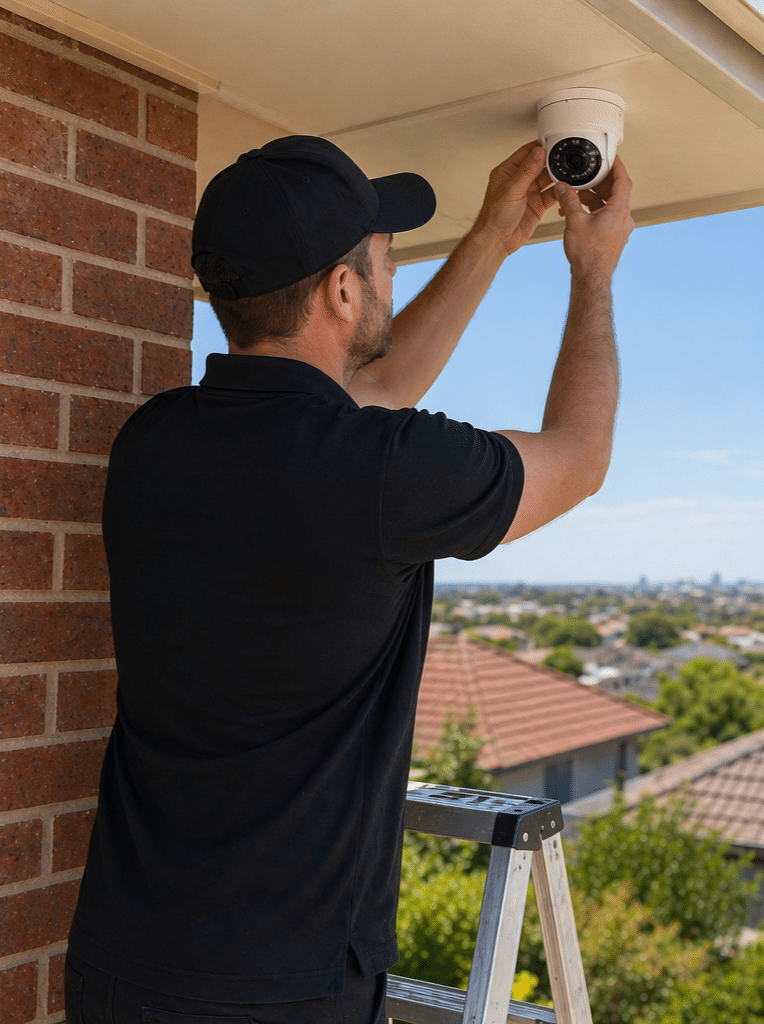
A security camera installer is a trained professional who designs, installs, and configures surveillance systems for homes or businesses. In Australia, they may also ensure compliance with privacy laws, electrical standards, and licensing requirements while optimising camera placement for maximum coverage and effectiveness.
Why Hiring a Professional Security Camera Installer Matters
Many Australians initially consider DIY systems. However, a professional installer offers clear advantages.
Firstly, correct placement is critical. Cameras installed too high, too low, or facing the wrong direction can render footage useless. Secondly, professionals ensure proper wiring, connectivity, and system integration.
Additionally, experienced installers understand Australian conditions, such as harsh weather, coastal corrosion, and varying lighting conditions, which affect camera performance.
From practical experience, poorly installed systems often fail during critical moments, especially due to incorrect network setup or inadequate storage configuration.
Types of Security Camera Systems in Australia
Before hiring a security camera installer, it helps to understand the available systems.
1. CCTV (Closed-Circuit Television)
Traditional wired systems, commonly used in commercial properties.
2. IP Cameras
Internet-based cameras that allow remote viewing via apps or cloud platforms.
3. Wireless Systems
Easier to install but may suffer from signal interference.
4. Smart Security Systems
Integrated with home automation platforms like Google Home or Alexa.
According to the Australian Communications and Media Authority, devices using wireless transmission must comply with Australian standards for spectrum use.
Legal and Regulatory Considerations in Australia
Installing security cameras in Australia isn’t just technical, it involves compliance.
Privacy Laws
In Australia, surveillance laws vary by state. Generally:
- You must not record audio without consent in many jurisdictions.
- Cameras should not invade neighbours’ privacy (e.g., pointing into their windows).
The Office of the Australian Information Commissioner provides guidance on privacy obligations.
Licensing Requirements
Some states require installers to hold security licences. For example:
- NSW: Security Industry Act 1997
- VIC: Private Security Act 2004
Electrical Compliance
Installations involving wiring must comply with AS/NZS 3000 (Wiring Rules).
Important: Always treat compliance as an administrative requirement reviewed by a licensed professional, not legal advice.
Costs of Hiring a Security Camera Installer
Costs in Australia vary depending on system complexity and property size.
Typical Price Ranges (Estimates)
| Service Type | Estimated Cost (AUD) |
|---|---|
| Basic home system (2–4 cameras) | $500 – $1,500 |
| Mid-range system (4–8 cameras) | $1,500 – $3,500 |
| Commercial installation | $3,000 – $10,000+ |
Factors affecting cost include:
- Camera quality (HD vs 4K)
- Storage (cloud vs local)
- Installation difficulty
- Labour rates
According to industry insights from IBISWorld, demand for security services in Australia has steadily increased due to rising safety concerns.
DIY vs Professional Installation
| Feature | DIY Installation | Professional Installer |
|---|---|---|
| Cost | Lower upfront | Higher upfront |
| Setup quality | Variable | Consistent, optimised |
| Compliance | Risk of errors | Meets regulations |
| Reliability | Often limited | High reliability |
| Support | Minimal | Ongoing support |
While DIY may seem cheaper, long-term reliability often favours professional installation.
Step-by-Step Checklist for Hiring a Security Camera Installer
Use this checklist to choose the right professional:
- Verify Licensing – Confirm they meet your state’s requirements
- Check Experience – Ask about past installations
- Request a Site Assessment – Avoid generic quotes
- Compare Equipment Options – Ensure quality brands
- Review Compliance Knowledge – Privacy and electrical standards
- Ask About Warranty & Support – Post-installation service matters
- Read Reviews – Look for consistent customer feedback
Common Mistakes to Avoid
Many Australians make avoidable errors when hiring a security camera installer.
- Choosing based on price alone
- Ignoring legal requirements
- Installing too few cameras
- Overlooking night vision capability
- Not securing network access
From experience, one of the biggest issues is poor camera placement, leading to blind spots.
People Also Ask
1. Do I need a licence to install security cameras in Australia?
If you’re installing for personal use, usually no licence is required. However, professional installers often need licensing depending on the state.
2. How long does installation take?
Most residential installations take between 2–6 hours, depending on system size and complexity.
3. Can security cameras record audio legally?
In many Australian states, recording audio without consent is restricted. Always check local regulations.
4. Are wireless cameras reliable?
They can be reliable but depend heavily on network strength and interference conditions.
5. How many cameras do I need?
This depends on your property layout. Typically, 4–8 cameras cover most Australian homes.
Expert Q&A Section
1. What should I look for in a high-quality security camera installer?
Look for experience, licensing, transparent pricing, and strong customer reviews. Additionally, ensure they offer system design, not just installation.
2. Is cloud storage better than local storage?
Cloud storage offers remote access and redundancy, while local storage provides more control and no ongoing fees. The best choice depends on your needs.
3. How often should security systems be maintained?
Ideally, systems should be checked annually to ensure cameras, storage, and software are functioning correctly.
4. Can security cameras reduce insurance premiums?
Some insurers may offer discounts for professionally installed systems, but this varies. Always confirm with your provider.
5. What’s the lifespan of a security camera system?
Most systems last 5–10 years, depending on quality and environmental conditions.
Conclusion
Choosing the right security camera installer in Australia isn’t just about getting cameras—it’s about ensuring your system works when it matters most. From understanding legal requirements to selecting the right equipment, every decision plays a role in your overall security.
If you’re ready to protect your property with a professionally installed system, explore trusted solutions from a leading Australian provider:
professional security camera installation services in Australia