


Security camera installation is one of the most effective ways Australians can protect homes and businesses, deter crime, and gain peace of mind. From my experience working with both residential and commercial setups, the difference between a well-planned system and a rushed installation is massive, not just in performance, but also in legal compliance and long-term reliability.
In Australia, installing security cameras isn’t just about mounting a device on a wall. You need to consider privacy laws, system design, placement strategy, and ongoing maintenance. This guide walks you through everything, from planning to compliance, so you can make informed decisions that actually work in real-world conditions.
What is Security Camera Installation?
Security camera installation is the process of selecting, positioning, and configuring surveillance cameras to monitor and protect a property. In Australia, it involves choosing suitable equipment, ensuring proper coverage, complying with privacy laws, and integrating recording systems to provide reliable, lawful, and effective security monitoring.
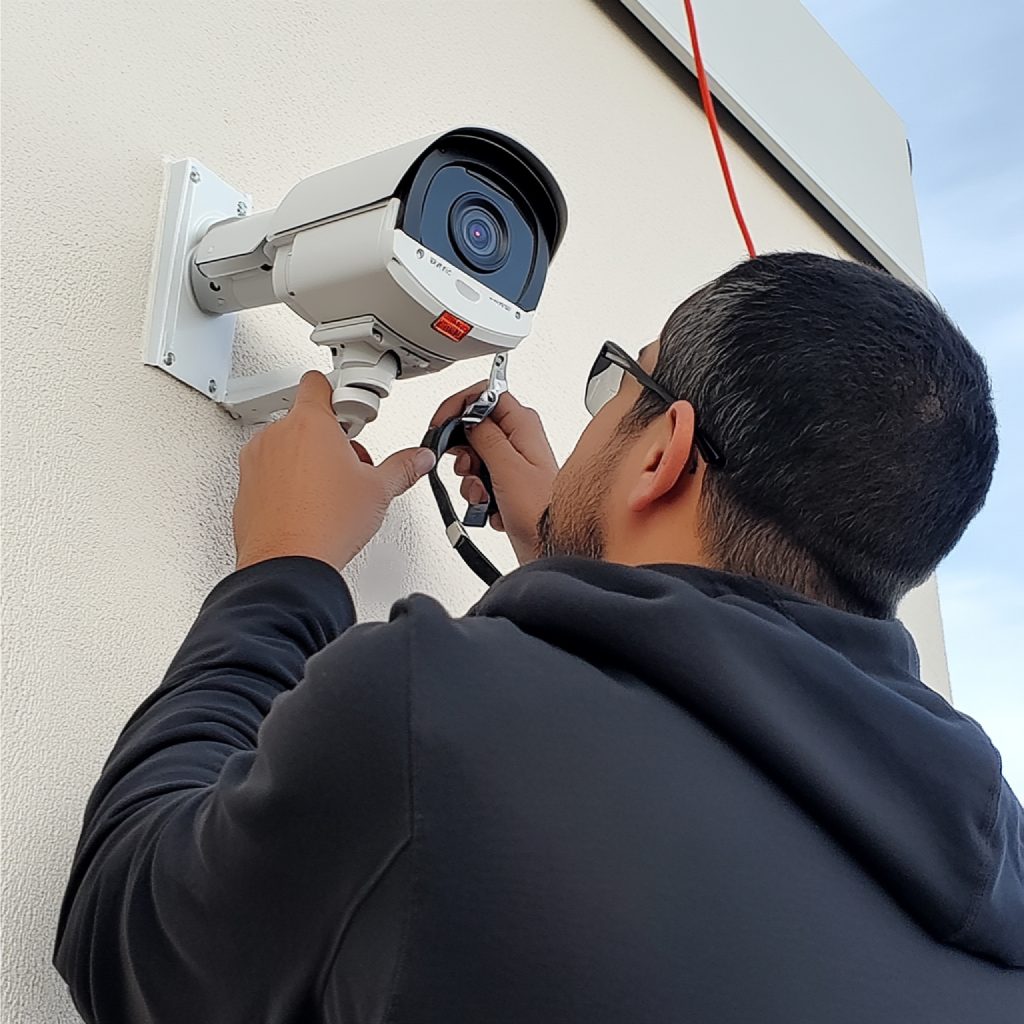
Table of Contents
- Why Security Camera Installation Matters in Australia
- Types of Security Camera Systems
- Key Steps in Security Camera Installation
- Australian Laws & Compliance Considerations
- Choosing the Right Locations for Cameras
- Wired vs Wireless Systems (Comparison Table)
- Costs of Security Camera Installation in Australia
- Common Mistakes to Avoid
- Maintenance and Long-Term Performance
- People Also Ask (PAA)
- FAQs (Expert Q&A)
- Conclusion
1. Why Security Camera Installation Matters in Australia
Australia has seen steady demand for home and business security systems. According to the Australian Bureau of Statistics, property-related offences remain a concern in many regions, making proactive security essential.
From practical experience:
- Visible cameras deter opportunistic crime
- Recorded footage helps with insurance claims
- Remote monitoring adds convenience and control
However, effectiveness depends heavily on proper installation, not just owning cameras.
2. Types of Security Camera Systems
Before installation, you need to choose the right system. Not all cameras suit every property.
Common Types:
- Dome Cameras: Discreet, ideal for indoor use
- Bullet Cameras: Visible deterrent, good for outdoor areas
- PTZ Cameras (Pan-Tilt-Zoom): Cover large spaces
- Wireless Cameras: Easier installation, flexible placement
- IP Cameras: High-resolution and remote access
From experience, IP cameras are now the standard for most Australian installations due to better image quality and scalability.
3. Key Steps in Security Camera Installation
A proper installation follows a structured process.
Step-by-Step Checklist
- Assess Your Property
- Identify entry points, blind spots, and high-risk areas
- Define Your Purpose
- Crime prevention, monitoring staff, or general surveillance
- Choose Equipment
- Resolution, storage (cloud vs local), night vision
- Plan Camera Placement
- Height, angle, lighting conditions
- Install Hardware
- Mount cameras securely and weatherproof outdoor units
- Set Up Recording System
- DVR/NVR configuration
- Connect to Network
- Ensure stable internet for remote access
- Test Coverage
- Check blind spots and adjust angles
- Secure the System
- Change default passwords and enable encryption
- Review Compliance
- Ensure adherence to Australian privacy laws
4. Australian Laws & Compliance Considerations
Security camera installation in Australia must align with privacy and surveillance laws.
Key Points:
- Privacy Act 1988 (Cth): Applies to businesses handling personal data
- State Surveillance Laws: Vary across states (e.g., NSW Surveillance Devices Act 2007)
- Audio Recording Restrictions: Often stricter than video
Important:
- Cameras should not record areas where people expect privacy (e.g., bathrooms, neighbouring properties)
- Signage may be required for commercial premises
For guidance, refer to the Office of the Australian Information Commissioner (OAIC).
Note: This is general administrative guidance, not legal advice. Always confirm with a licensed professional if unsure.
5. Choosing the Right Locations for Cameras
Placement determines effectiveness.
Ideal Locations:
- Front door and entry points
- Driveways and garages
- Backyards and side access areas
- Indoor common areas (for businesses)
Placement Tips:
- Install cameras at 2.5–3 metres height
- Avoid direct sunlight glare
- Ensure night vision coverage
From experience, many installations fail simply due to poor angle selection rather than poor equipment.
6. Wired vs Wireless Systems (Comparison Table)
| Feature | Wired System | Wireless System |
|---|---|---|
| Reliability | Very high | Moderate (depends on Wi-Fi) |
| Installation Cost | Higher upfront | Lower upfront |
| Maintenance | Low | Medium |
| Flexibility | Limited | High |
| Best For | Large properties | Homes & small offices |
Recommendation:
For long-term reliability in Australia’s varied climate, wired systems are often preferred for businesses.
7. Costs of Security Camera Installation in Australia
Costs vary depending on system size and complexity.
Typical Price Range (Estimate):
- DIY Setup: $300 – $1,500
- Professional Installation: $800 – $5,000+
Factors affecting cost:
- Number of cameras
- Cable requirements
- Storage system (cloud vs local)
- Labour costs
According to industry insights from Safe Work Australia, proper installation practices also ensure safety compliance during setup.
8. Common Mistakes to Avoid
From real-world experience, these are the most frequent issues:
- Poor camera placement
- Ignoring lighting conditions
- Weak passwords and security settings
- Overlooking legal requirements
- Choosing low-quality cameras
Avoiding these can significantly improve system performance and longevity.
9. Maintenance and Long-Term Performance
Installation is only the beginning.
Ongoing Maintenance Tips:
- Clean camera lenses regularly
- Check recording functionality
- Update firmware
- Review footage periodically
A neglected system can fail when you need it most.
10. People Also Ask (PAA)
1. Is security camera installation legal in Australia?
Yes, but it must comply with privacy and surveillance laws. Cameras should not record private areas or neighbouring properties without consent.
2. Do I need permission to install security cameras at home?
Generally no, for your own property. However, you must avoid capturing footage of public or neighbouring private spaces.
3. How many cameras do I need for a house?
Most Australian homes need 2–6 cameras depending on size and entry points.
4. Can security cameras record audio in Australia?
Audio recording is restricted in many states and often requires consent from all parties.
5. Are wireless security cameras reliable?
They can be reliable but depend on strong Wi-Fi. Wired systems are usually more stable.
11. FAQs (Expert Q&A)
1. What is the best height for installing security cameras?
Around 2.5–3 metres is ideal. It prevents tampering while maintaining a clear viewing angle.
2. How long should security footage be stored?
Typically 7–30 days, depending on storage capacity and business requirements.
3. Can I install security cameras myself?
Yes, for basic systems. However, professional installation ensures optimal coverage and compliance.
4. Do security cameras increase property value?
They can improve buyer appeal, especially in high-security-conscious areas.
5. What resolution is best for security cameras?
At least 1080p is recommended, but 4K is becoming more common for detailed monitoring.
12. Conclusion
Security camera installation in Australia is more than just a technical task, it’s a strategic investment in safety, compliance, and peace of mind. When done correctly, it provides long-term protection and valuable insights into your property.
If you’re planning a system or upgrading an existing one, working with professionals can make a significant difference. For tailored solutions and expert support, explore this trusted Australian provider:
professional security camera installation services in Australia