


Home Security Intercom System: The Complete Australia Guide
Table of Contents
- Introduction
- Featured Definition: What Is a Home Security Intercom System?
- Why Australians Are Investing in Home Security Intercom Systems
- How a Home Security Intercom System Works (Plain English)
- Types of Home Security Intercom Systems in Australia
- Wired vs Wireless Intercom Systems (Comparison Table)
- Key Features That Matter for Australian Homes
- Integration With Broader Home Security Systems
- Installation in Australia: What to Expect
- Costs and Ongoing Maintenance
- Privacy, Data, and Compliance Considerations
- Choosing the Right Home Security Intercom System (Checklist)
- People Also Ask: Home Security Intercom System (Australia)
- Expert Q&A: Advanced Questions Answered
- Conclusion and Next Steps
1) Introduction
A home security intercom system has become one of the most practical upgrades for Australian homeowners who want better control over who approaches their property. From my experience working with residential security setups, many people start researching intercoms after missed deliveries, unwanted door knockers, or concerns about family safety. This guide explains how these systems work in Australia, what features genuinely matter, and how to choose one based on facts not hype.
2) Featured Definition: What Is a Home Security Intercom System?
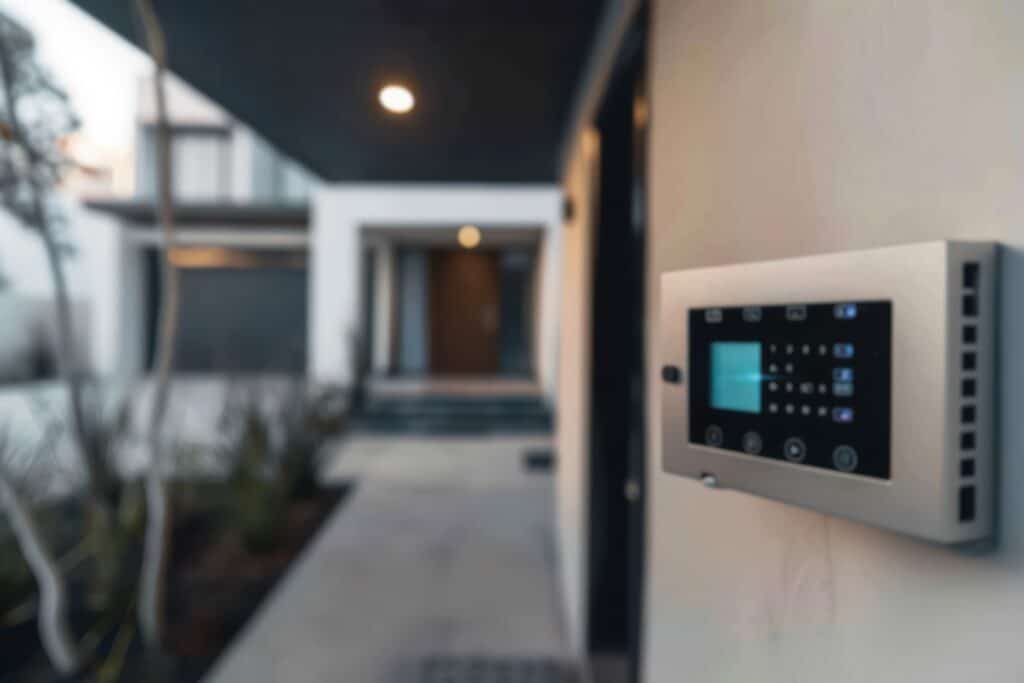
A home security intercom system is a communication system that lets homeowners see, hear, and speak to visitors at entry points before granting access. In Australia, modern intercoms often include video cameras, smartphone connectivity, and integration with alarms or CCTV to improve everyday home security and visitor management.
3) Why Australians Are Investing in Home Security Intercom Systems
Australian homes face a mix of urban and suburban security challenges. According to the Australian Institute of Criminology, residential properties remain a common target for opportunistic crime, particularly when access points are unclear or unmanaged. A visible intercom system can act as both a deterrent and a screening tool.
Additionally, Australian lifestyles play a role. Many households:
- Receive frequent parcel deliveries
- Have children or elderly family members at home
- Live in detached houses with front gates or long driveways
A home security intercom system helps manage all of these situations without opening the door.
4) How a Home Security Intercom System Works (Plain English)
At its core, a home security intercom system connects an outdoor entry panel to an indoor monitor or mobile device. When someone presses the call button:
- The camera activates and sends live video and audio
- You receive a notification or hear a chime
- You speak to the visitor in real time
- If connected, you can unlock a door or gate remotely
Modern systems rely on IP (internet protocol) technology, which allows secure communication over your home network rather than old-style analogue wiring.
5) Types of Home Security Intercom Systems in Australia
Audio-Only Intercoms
These systems allow two-way voice communication. They are simple and lower cost but provide limited security insight.
Video Intercom Systems
The most popular choice in Australia, video intercoms let you visually verify visitors. From my experience, this alone significantly reduces unwanted interactions.
Smart Intercom Systems
Smart systems connect to smartphones and cloud services, allowing remote access even when you’re not home.
Multi-Entry Intercom Systems
Used in larger homes or duplexes, these systems manage multiple gates or doors from one interface.
6) Wired vs Wireless Intercom Systems (Comparison Table)
| Feature | Wired Intercom | Wireless / IP Intercom |
|---|---|---|
| Reliability | Very stable | Dependent on network |
| Installation | More complex | Faster, less invasive |
| Expansion | Limited | Highly scalable |
| Best for | New builds | Existing homes |
| Typical Use in Australia | Custom homes | Most residential upgrades |
7) Key Features That Matter for Australian Homes
When evaluating a home security intercom system, focus on features that provide real-world value:
- High-definition camera for clear facial recognition
- Wide-angle lens to cover gates and parcels
- Night vision for low-light conditions
- Mobile app access for Australians who travel frequently
- Weather-rated outdoor units suited to Australian climates
Avoid paying extra for gimmicks that don’t improve security outcomes.
8) Integration With Broader Home Security Systems
A modern home security intercom system works best when integrated with alarms, access control, and CCTV. According to guidance from state police crime prevention units, layered security is more effective than standalone devices. Integration allows events such as motion detection to trigger recordings or alerts automatically.
For homeowners exploring a complete setup, a professionally designed solution like those outlined on Eclipse Security’s residential security solutions can ensure all components work together smoothly.
9) Installation in Australia: What to Expect
In Australia, intercom installation is generally straightforward but may involve:
- Cabling between entry points and monitors
- Network configuration for IP-based systems
- Mounting outdoor stations at compliant heights
The Australian Communications and Media Authority notes that fixed cabling must be installed by a registered cabler, which is why professional installation is recommended for wired systems (ACMA cabling requirements).
10) Costs and Ongoing Maintenance
Typical Cost Ranges (Indicative)
- Audio intercom: lower cost entry option
- Video intercom: mid-range investment
- Smart IP intercom: higher upfront, more features
Ongoing costs are usually minimal, though some smart systems include optional cloud storage subscriptions. Always confirm what’s included upfront.
11) Privacy, Data, and Compliance Considerations
In Australia, video intercoms should be positioned to avoid capturing public spaces unnecessarily. While this is not legal advice, privacy guidance from the Office of the Australian Information Commissioner suggests minimising data collection to what’s reasonably required (OAIC privacy guidance). Treat this as an administrative best practice rather than a legal guarantee.
12) Choosing the Right Home Security Intercom System (Checklist)
- Identify how many entry points you need covered
- Decide if video is essential (it usually is)
- Confirm smartphone compatibility
- Check weather and vandal resistance ratings
- Ensure professional installation support
- Plan for future upgrades or integration
13) People Also Ask: Home Security Intercom System (Australia)
Do home security intercom systems work without internet?
Yes, basic wired systems can operate without internet, but smart features like mobile access require connectivity.
Are video intercoms legal in Australia?
Generally yes, if installed responsibly and not recording public areas unnecessarily.
Can a home security intercom system deter crime?
Visible intercoms can act as a deterrent by increasing perceived risk for intruders.
Do intercom systems increase home value?
They may improve buyer appeal, particularly in urban Australian markets.
14) Expert Q&A: Advanced Questions Answered
How reliable are wireless intercom systems in Australian suburbs?
Reliability is generally high if the home network is stable, though wired backups are ideal.
Can intercoms integrate with NBN connections?
Yes, IP intercoms work alongside NBN-based home networks without issue.
What maintenance is required long-term?
Occasional firmware updates and camera cleaning are usually sufficient.
Are intercom systems suitable for rental properties?
Wireless systems are often preferred due to minimal structural changes.
How long does professional installation take?
Most residential installs are completed within a single day.
15) Conclusion and Next Steps
A home security intercom system is one of the most practical, user-friendly ways to improve residential security in Australia. By focusing on clear video, reliable communication, and proper installation, homeowners gain everyday peace of mind without unnecessary complexity. If you’re planning an upgrade, explore a professionally designed solution that aligns with your home layout, lifestyle, and future security goals.