


Table of Contents
- Introduction
- Featured Definition: Commercial Security Camera Systems
- Why Australian Businesses Need Commercial Security Camera Systems
- Key Components of Commercial Security Camera Systems
- Types of Commercial Security Cameras Used in Australia
- Cloud vs Local Storage: Which Is Better for Businesses?
- Compliance and Privacy Requirements in Australia
- Cost of Commercial Security Camera Systems in Australia
- How to Choose the Right Commercial Security Camera System
- Installation Checklist for Businesses
- Comparison Table: Basic vs Advanced Commercial Systems
- People Also Ask (PAA)
- Q&A: Expert Insights About Commercial Security Camera Systems
- Conclusion
Introduction
Commercial security camera systems play a critical role in protecting Australian businesses from theft, vandalism, workplace incidents, and liability claims. From retail stores in Sydney to warehouses in Melbourne and construction sites in Perth, organisations increasingly rely on surveillance technology to improve safety and operational oversight.
From my experience working with security infrastructure projects, businesses often underestimate how much risk can be prevented simply by installing well-planned surveillance systems. Beyond deterring crime, these systems provide operational insights, evidence for investigations, and even help with insurance claims.
In Australia, where commercial properties face rising theft and workplace safety concerns, well-designed surveillance systems are becoming a standard part of business security planning. According to the Australian Institute of Criminology, businesses lose billions annually due to property crime and shoplifting incidents, making preventive security solutions increasingly valuable.
However, choosing the right commercial system requires understanding technology, compliance requirements, and operational needs. This guide explains everything Australian businesses should know about selecting and implementing effective commercial surveillance solutions.
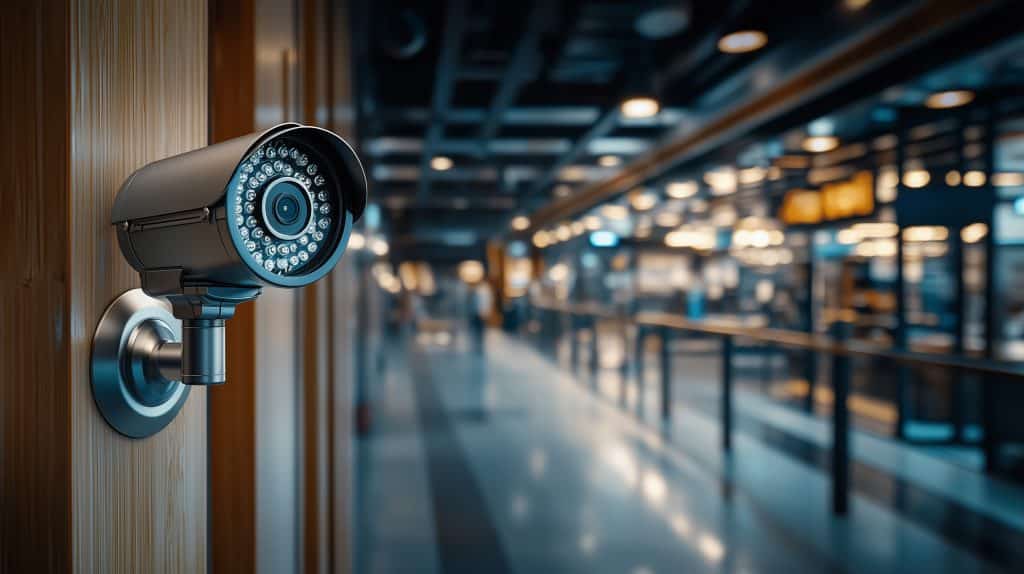
Commercial Security Camera Systems
Commercial security camera systems are integrated surveillance solutions designed to monitor business premises using cameras, recording devices, and management software. They help Australian organisations deter crime, monitor operations, collect evidence, and improve safety across workplaces, warehouses, retail stores, and offices.
Why Australian Businesses Need Commercial Security Camera Systems
Security cameras are no longer only used by large corporations. Today, small and medium businesses across Australia rely on them for multiple purposes.
Crime Prevention and Deterrence
Visible surveillance systems discourage opportunistic theft and vandalism. Research consistently shows that businesses with cameras experience fewer incidents because criminals prefer easier targets.
For example, retail businesses commonly install cameras near entrances, cash registers, and storage areas to prevent shoplifting and internal theft.
Workplace Safety Monitoring
Australian workplaces must maintain safe environments for staff and visitors. Cameras help monitor:
- Hazardous areas
- Warehouse loading zones
- Machinery zones
- Customer interactions
These recordings can assist during workplace incident investigations.
The Australian Government’s workplace safety authority, Safe Work Australia, highlights the importance of monitoring risks in workplaces to prevent incidents and injuries.
Safe Work Australia – Workplace Safety Guidance
Evidence Collection
Security cameras provide visual records that can assist investigations after incidents such as:
- Theft
- Fraud
- Workplace accidents
- Property damage
High-resolution cameras allow businesses to supply footage to law enforcement or insurance providers.
Remote Monitoring
Modern systems allow business owners to monitor operations remotely through secure mobile apps. This feature is particularly valuable for companies managing multiple sites across Australia.
Key Components of Commercial Security Camera Systems
A professional commercial surveillance setup consists of several integrated components.
1. Security Cameras
Cameras capture video footage of key areas. Types include dome, bullet, PTZ (pan-tilt-zoom), and specialised cameras designed for warehouses or outdoor environments.
2. Network Video Recorder (NVR) or Digital Video Recorder (DVR)
Recording devices store video footage and allow playback when incidents occur.
- DVR: Works with analogue cameras
- NVR: Used with IP (network) cameras
Most modern commercial systems use NVR technology because of higher image quality.
3. Storage Systems
Footage must be stored securely for later access.
Businesses commonly use:
- Hard drive storage
- Network storage servers
- Cloud storage
Storage duration varies depending on business requirements.
4. Monitoring Software
Security software allows authorised staff to:
- View live footage
- Review recordings
- Receive alerts
- Control cameras remotely
5. Network Infrastructure
IP camera systems rely on secure network connectivity to transmit video data.
Types of Commercial Security Cameras Used in Australia
Choosing the right camera type depends on the environment and monitoring goals.
Dome Cameras
Dome cameras are commonly installed indoors because they are compact and difficult to tamper with.
Typical uses:
- Retail stores
- Office ceilings
- Restaurants
Bullet Cameras
Bullet cameras are ideal for outdoor monitoring because they provide long-range visibility.
They are commonly used for:
- Parking areas
- Entrances
- Building perimeters
PTZ Cameras
PTZ cameras allow operators to remotely pan, tilt, and zoom.
These cameras are useful in:
- Large warehouses
- Shopping centres
- Stadiums
- Industrial facilities
Thermal Cameras
Thermal cameras detect heat signatures instead of visible light. They are often used for high-security areas and night surveillance.
Cloud vs Local Storage: Which Is Better for Businesses?
Businesses must decide how surveillance footage will be stored.
| Feature | Cloud Storage | Local Storage |
|---|---|---|
| Accessibility | Accessible remotely | Access usually limited to onsite network |
| Security | Encrypted cloud storage | Controlled by business infrastructure |
| Setup Cost | Lower initial cost | Higher upfront hardware cost |
| Ongoing Cost | Monthly subscription | Minimal ongoing fees |
| Backup Protection | Automatic backups | Depends on local systems |
For multi-location companies, cloud systems often provide better scalability. However, some organisations prefer local storage to maintain direct control of their data.
Compliance and Privacy Requirements in Australia
Businesses installing surveillance systems must follow privacy principles under Australian law.
In Australia, surveillance systems should comply with the Privacy Act 1988, which regulates how organisations collect and use personal information.
The Office of the Australian Information Commissioner (OAIC) explains that surveillance footage can be considered personal information when individuals are identifiable.
OAIC – Privacy and Surveillance Guidance
Businesses should consider administrative best practices such as:
- Informing staff and visitors that surveillance is operating
- Installing signage where cameras are used
- Restricting access to recorded footage
- Storing recordings securely
These steps help businesses maintain transparency and responsible data handling.
Note: Compliance considerations should be reviewed with qualified professionals when necessary. This information is general guidance rather than legal advice.
Cost of Commercial Security Camera Systems in Australia
The cost of installing surveillance systems varies widely depending on business size, equipment quality, and installation complexity.
Typical cost ranges (estimates):
Small retail shop:
$1,500 – $4,000
Medium business premises:
$4,000 – $10,000
Large commercial or warehouse facilities:
$10,000 – $50,000+
Costs typically include:
- Cameras
- Recording equipment
- Installation labour
- Cabling
- Configuration
More advanced systems may also include AI analytics such as motion detection or people counting.
How to Choose the Right Commercial Security Camera System
Selecting the right system involves evaluating business risks, operational needs, and physical layout.
From my experience assisting businesses with surveillance planning, the most successful installations start with a clear security strategy rather than simply buying cameras.
Consider the following factors.
Business Size and Layout
Larger premises require more cameras and advanced monitoring tools.
Lighting Conditions
Night monitoring requires cameras with infrared or low-light capabilities.
Remote Access Requirements
Businesses with multiple locations often benefit from centralised monitoring platforms.
Storage Requirements
Some industries require longer footage retention periods for investigations.
Professional Installation
Professional installers ensure cameras are placed strategically for maximum coverage and reliability.
Businesses looking for tailored security solutions can explore professional consultation services through commercial security camera system experts in Australia who specialise in designing systems for various industries.
Installation Checklist for Businesses
Before installing a surveillance system, businesses should follow a structured planning process.
Security Camera Installation Checklist
- Conduct a security risk assessment
- Identify vulnerable areas such as entrances and loading zones
- Determine camera types needed for each location
- Plan storage and retention policies
- Confirm compliance with privacy obligations
- Install signage informing people of surveillance
- Configure remote monitoring access
- Test camera coverage and recording quality
Following these steps helps ensure systems function effectively.
Comparison Table: Basic vs Advanced Commercial Systems
| Feature | Basic System | Advanced Commercial System |
|---|---|---|
| Camera Quality | 1080p HD | 4K Ultra HD |
| Analytics | Motion detection | AI analytics and facial recognition |
| Storage | Local hard drive | Hybrid cloud + local |
| Remote Monitoring | Limited | Full mobile monitoring |
| Integration | Standalone | Integrated with alarms and access control |
Advanced systems provide better monitoring and scalability for larger organisations.
People Also Ask (PAA)
What are commercial security camera systems?
Commercial security camera systems are surveillance solutions designed for businesses. They combine cameras, recording equipment, and monitoring software to protect property, monitor operations, and collect evidence when incidents occur.
How much do commercial security camera systems cost in Australia?
Costs vary depending on the number of cameras and system complexity. Small business systems may cost a few thousand dollars, while large commercial installations can exceed $50,000 depending on equipment and coverage requirements.
Are security cameras legal for businesses in Australia?
Yes, businesses can install security cameras, but they must follow privacy laws and workplace surveillance rules. Organisations should inform employees and visitors that surveillance is operating.
How long should businesses keep security camera footage?
Many businesses store footage for 30–90 days, though storage duration depends on operational requirements and internal policies.
Can security cameras reduce theft in businesses?
Yes. Studies consistently show visible surveillance systems deter theft because criminals are less likely to target locations where they may be recorded.
Q&A: Expert Insights About Commercial Security Camera Systems
1. What resolution should commercial security cameras use?
Most modern businesses use at least 1080p resolution cameras. However, 4K cameras provide clearer images that help identify individuals, vehicles, and license plates more easily.
2. Should businesses install cameras indoors and outdoors?
Yes. Indoor cameras monitor staff areas and customer spaces, while outdoor cameras protect entry points, parking areas, and building perimeters.
3. How many cameras does a typical business need?
The number depends on property size and layout. A small retail shop may require 4–6 cameras, while large warehouses may need dozens to cover all areas effectively.
4. Are wireless security cameras reliable for businesses?
Wireless cameras can work well in smaller locations, but larger commercial installations usually rely on wired IP systems for stability and consistent video quality.
5. Can security cameras integrate with other business security systems?
Yes. Many modern surveillance platforms integrate with alarm systems, access control systems, and smart building technologies for centralised monitoring.
Conclusion
Commercial security camera systems have become an essential part of modern business security across Australia. Whether protecting a retail store, warehouse, office building, or construction site, surveillance technology helps deter crime, improve workplace safety, and provide valuable evidence when incidents occur.
By carefully selecting the right cameras, storage solutions, and monitoring tools, businesses can build security systems that protect both assets and people.
If your organisation is considering upgrading its surveillance infrastructure, working with experienced professionals can ensure systems are designed to meet operational needs and Australian compliance requirements.
Businesses seeking tailored surveillance solutions can explore professional support from commercial security camera system specialists in Australia to design and install systems suited to their premises.