

Table of Contents
- Introduction
- What Is the Best Outdoor Wireless Security Camera System Solar Powered?
- Why Solar-Powered Wireless Security Cameras Are Popular in Australia
- How Solar Outdoor Security Cameras Work
- Key Features to Look for in the Best Outdoor Wireless Security Camera System Solar Powered
- Comparison Table: Solar Wireless vs Traditional Security Cameras
- Installation Checklist for Solar Outdoor Cameras
- Australian Regulations and Privacy Considerations
- Real-World Use Cases Across Australia
- Common Mistakes When Choosing Solar Security Cameras
- People Also Ask (PAA)
- Expert Q&A Section
- Conclusion
Introduction
Finding the best outdoor wireless security camera system solar powered is becoming increasingly important for homeowners and businesses across Australia. With rising interest in energy-efficient security solutions and the need to monitor properties remotely, solar-powered security cameras offer a practical and environmentally friendly option.
From my experience reviewing home security setups across suburban and rural Australian properties, solar wireless cameras are especially useful where running electrical wiring is difficult-such as farms, holiday homes, sheds, and construction sites.
Australia’s climate also makes solar security systems particularly effective. With strong sunlight in many regions throughout the year, solar panels can power surveillance cameras reliably while reducing electricity costs.
However, choosing the right system requires more than simply picking the first solar camera you see online. You need to understand features, reliability, privacy considerations, and performance in Australian conditions.
This guide explains everything Australians should know before choosing the best solar wireless outdoor security camera system.
What Is the Best Outdoor Wireless Security Camera System Solar Powered?
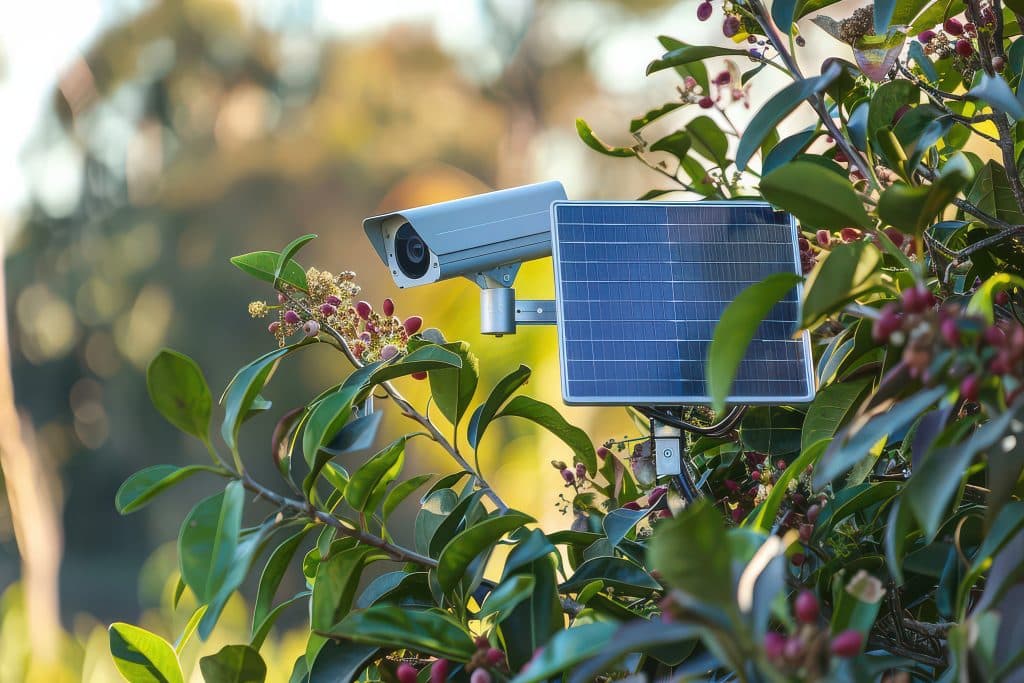
The best outdoor wireless security camera system solar powered is a surveillance camera setup that uses solar panels and rechargeable batteries to operate without wired electricity. These cameras connect to Wi-Fi or mobile networks, allowing Australian homeowners to monitor outdoor areas remotely while reducing installation costs and energy usage.
Why Solar-Powered Wireless Security Cameras Are Popular in Australia
Solar security cameras are gaining popularity in Australia for several reasons.
1. Ideal for Australia’s Climate
Australia receives some of the highest solar radiation levels globally. According to the Australian Government’s Clean Energy Regulator, the country’s sunlight levels make solar energy particularly effective for residential systems.
Clean Energy Regulator – Solar Information
This means solar-powered cameras can maintain battery charge most of the year in many regions.
2. No Complex Wiring
Traditional security systems often require electrical wiring and professional installation.
Solar wireless systems instead rely on:
- Built-in batteries
- Small solar panels
- Wi-Fi connectivity
As a result, they can be installed quickly.
3. Perfect for Remote Locations
Across rural Australia, many properties are far from electrical infrastructure.
Solar cameras are ideal for:
- Farms
- Holiday cabins
- Construction sites
- Car parks
- Rural driveways
4. Energy Efficiency
Solar cameras reduce electricity usage and provide an environmentally responsible security option.
Australia is increasingly focused on sustainable energy adoption. According to the Australian Energy Regulator, renewable energy integration is growing rapidly nationwide.
Australian Energy Regulator
How Solar Outdoor Security Cameras Work
Understanding how these systems work helps you choose the right model.
A typical solar wireless security camera system includes:
- Solar panel
- Rechargeable battery
- Motion sensor
- Camera module
- Wireless connection
- Mobile app
Step-by-Step Operation
- Solar panel converts sunlight into electricity.
- Electricity charges the internal battery.
- Camera enters standby mode to conserve power.
- Motion detection activates recording.
- Video is transmitted via Wi-Fi or cellular network.
Because cameras only record when motion is detected, power consumption stays low.
Key Features to Look for in the Best Outdoor Wireless Security Camera System Solar Powered
Not all solar cameras perform equally. The best systems share several critical features.
1. Battery Capacity
A strong battery ensures operation during cloudy weather.
Look for:
- 5000–10000 mAh batteries
- Backup charging options
- Low-power standby mode
2. Video Resolution
Clear footage is essential for identifying people or vehicles.
Recommended minimum:
- 1080p Full HD
Better option: - 2K or 4K resolution
Higher resolution improves evidence quality if footage is required.
3. Night Vision
Outdoor cameras must perform well at night.
Options include:
- Infrared night vision
- Colour night vision with spotlight
- Low-light sensors
4. Weather Resistance
Australian weather conditions can be harsh.
Choose cameras with:
- IP65 or IP67 rating
- UV-resistant housing
- Temperature tolerance
The Standards Australia guidelines for outdoor electrical devices emphasise weatherproof design to ensure safety and durability.
Standards Australia
5. Motion Detection Technology
Modern systems use:
- AI person detection
- Vehicle recognition
- Motion zones
These features reduce false alerts caused by animals or wind.
6. Storage Options
Solar security cameras typically offer two storage methods:
- Cloud storage
- Local SD card
Cloud storage enables remote access, while local storage avoids subscription fees.
7. Mobile App Integration
The best systems allow monitoring through smartphone apps.
Typical features include:
- Live view
- Motion alerts
- Video playback
- Two-way audio
Comparison Table: Solar Wireless vs Traditional Security Cameras
| Feature | Solar Wireless Cameras | Traditional Wired Cameras |
|---|---|---|
| Power Source | Solar panel + battery | Wired electricity |
| Installation | DIY friendly | Professional installation often required |
| Best Location | Remote or outdoor areas | Homes with existing wiring |
| Maintenance | Occasional cleaning of solar panel | Minimal once installed |
| Cost | Lower installation cost | Higher installation cost |
| Flexibility | Easy relocation | Fixed placement |
This comparison shows why solar wireless cameras are increasingly popular in Australia.
Installation Checklist for Solar Outdoor Cameras
Before installing a solar security camera system, follow this checklist.
Solar Camera Installation Checklist
- Choose a location with direct sunlight for at least 4–6 hours daily.
- Mount the solar panel facing north in Australia for optimal sunlight.
- Install the camera 2–3 metres above ground for best viewing angle.
- Test Wi-Fi signal strength before installation.
- Configure the mobile app and motion detection settings.
- Secure cables and brackets to withstand wind and rain.
Proper placement dramatically improves performance.
Australian Regulations and Privacy Considerations
Installing security cameras in Australia is generally legal for private property owners, but privacy considerations still apply.
While laws vary by state and territory, common principles include:
- Cameras should focus on your property.
- Avoid recording neighbouring homes or private areas.
- Inform visitors if surveillance is active where appropriate.
The Office of the Australian Information Commissioner (OAIC) provides guidance on surveillance and privacy expectations.
OAIC Privacy Guidance
This information is administrative guidance only and not legal advice.
Real-World Use Cases Across Australia
Solar wireless cameras are widely used across different environments.
Residential Homes
Homeowners install solar cameras to monitor:
- Front yards
- Driveways
- Backyards
Rural Properties
Farm owners monitor:
- Livestock areas
- Equipment sheds
- Gate entrances
Solar power is particularly useful where grid electricity is unavailable.
Construction Sites
Temporary sites benefit from portable solar surveillance cameras.
Holiday Homes
Australians who own holiday properties often use solar cameras to monitor vacant homes remotely.
If you want professional guidance selecting the right system, you can explore expert solar security solutions available at Eclipse Security’s solar camera systems designed for Australian conditions.
Common Mistakes When Choosing Solar Security Cameras
Many buyers make avoidable mistakes.
Choosing Cameras with Small Solar Panels
Smaller panels may struggle during winter or cloudy days.
Ignoring Wi-Fi Limitations
Some rural areas may require 4G or 5G cellular cameras instead of Wi-Fi models.
Poor Installation Angle
Incorrect solar panel angle reduces charging efficiency.
Cheap Cameras with Weak Sensors
Low-cost models often lack reliable motion detection.
Investing in quality equipment improves reliability.
People Also Ask (PAA)
Are solar powered security cameras reliable in Australia?
Yes. Australia’s strong sunlight makes solar security cameras very reliable. However, performance depends on battery capacity, solar panel size, and correct installation angle.
Do solar security cameras work at night?
Yes. Solar cameras store energy in rechargeable batteries during the day. That stored power allows the camera to operate overnight using motion detection and night vision.
Do solar cameras need Wi-Fi?
Some models require Wi-Fi, while others use 4G or 5G mobile networks. Cellular models are ideal for rural Australian properties where internet connections are limited.
How long do solar security cameras last?
High-quality solar security cameras can last 5–10 years depending on weather exposure, battery health, and build quality.
Can solar security cameras record continuously?
Most solar cameras use motion-activated recording rather than continuous recording. This reduces battery usage and ensures longer operation.
Expert Q&A Section
1. What solar panel size is best for outdoor security cameras?
Panels between 5W and 10W generally provide sufficient charging for most outdoor security cameras in Australia. Larger panels perform better during winter or cloudy conditions.
2. Do solar cameras work during cloudy weather?
Yes. Most systems store energy in batteries that can power cameras for several days without sunlight. However, extremely long cloudy periods may reduce battery levels.
3. Are solar security cameras suitable for rural Australian farms?
Yes. Solar cameras are particularly useful on farms because they eliminate the need for electrical wiring and can monitor large remote areas.
4. Can solar cameras integrate with smart home systems?
Many modern cameras support integration with smart home platforms such as Google Home or Amazon Alexa. Integration depends on the specific brand and system.
5. How much does a solar security camera system cost in Australia?
Typical prices range from $150 to $700 per camera depending on features such as resolution, connectivity, and AI detection.
Conclusion
Choosing the best outdoor wireless security camera system solar powered depends on several factors including battery capacity, video quality, installation location, and connectivity options.
For Australians, solar security cameras provide a powerful combination of energy efficiency, flexible installation, and reliable surveillance, particularly in remote or off-grid locations.
By understanding key features, comparing system types, and following proper installation practices, homeowners and businesses can significantly improve their property security.
If you’re considering installing a solar security camera system designed specifically for Australian conditions, explore professional guidance and solutions available through Eclipse Security’s Australian solar camera specialists to find a system tailored to your needs.