


Table of Contents
- Introduction
- Featured Definition: What Are the Best Outdoor Security Camera Systems Australia?
- Why You Need the Best Outdoor Security Camera Systems in Australia
- Local climate & security needs
- Typical scenarios where outdoor cameras help
- Top Outdoor Security Camera Options in Australia (2026)
- Wireless vs Hardwired Systems (comparison table)
- Best overall picks
- Key Features to Look for in Outdoor Security Camera Systems
- Weather Resistance & IP Ratings
- Image Quality & Night Vision
- Storage & Connectivity
- Smart Alerts & AI Detection
- Checklist: Choosing Your Outdoor Security Camera System (Numbered)
- People Also Ask (Australia)
- FAQs – Expert Answers (Detailed)
- Conclusion
1. Introduction
Finding the best outdoor security camera systems Australia homeowners search for means understanding how systems perform in Australian weather, deliver reliable surveillance, and balance cost, durability, and ease of use. This guide brings you practical, fact-checked insights (from industry reviews and buyer guides), including real comparisons and clear advice so you can make confident decisions for your home or business.
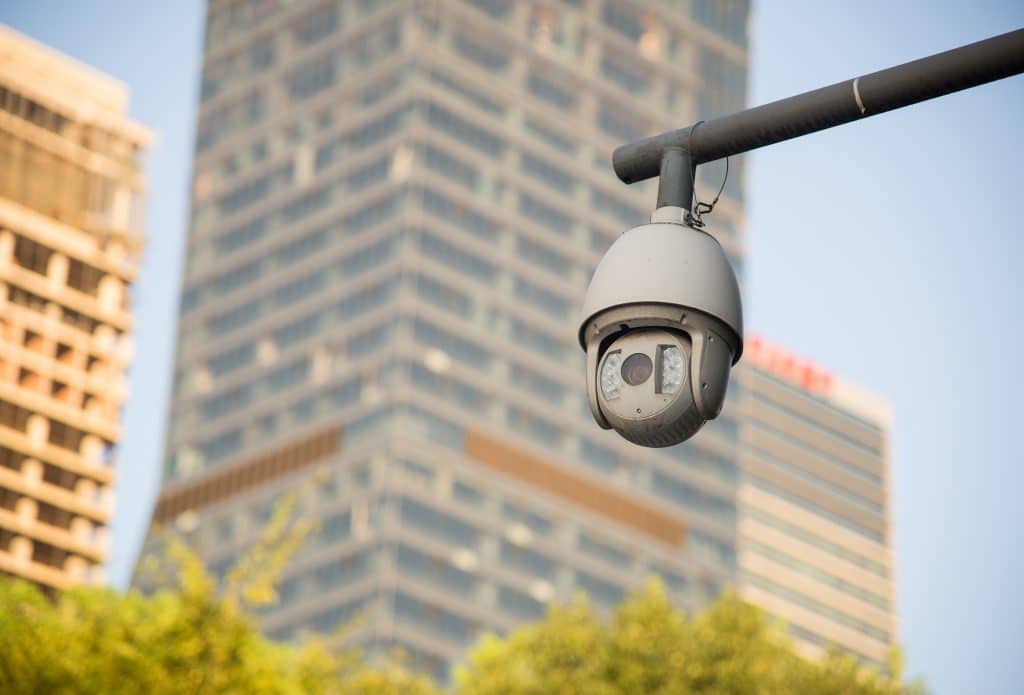
2. Featured Definition: What Are the Best Outdoor Security Camera Systems Australia?
The best outdoor security camera systems Australia combine weatherproof design, clear video quality, reliable motion detection, and smart alerts tailored for Australian homes offering peace of mind by helping deter intruders, document events, and allow remote monitoring via your smartphone or connected device.
3. Why You Need the Best Outdoor Security Camera Systems in Australia
Local Climate & Security Needs
Australia’s diverse climate from coastal humidity to inland heat means security cameras must be weather resistant (at least IP65 or higher). Effective outdoor systems can withstand heat, rain and dust, and continue to record clear video even in bright sunlight or after dark.
Typical Scenarios
- Home entrances, driveways, and backyard monitoring
- Delivery drop zones to reduce theft
- Business perimeter security
- Keeping an eye on remote or farm properties
4. Top Outdoor Security Camera Options in Australia (2026)
Below is a practical comparison of wireless vs hardwired systems commonly recommended for Australian buyers:
Wireless vs Hardwired Outdoor Security Systems
| Feature | Wireless Cameras | Hardwired Cameras |
|---|---|---|
| Ease of Installation | Easier DIY setup | More complex, often professional install |
| Power Source | Battery or solar | Mains power (continuous) |
| Maintenance | Battery recharges required | Little ongoing power maintenance |
| Best For | Rental homes, flexible placement | Permanent homes or businesses |
| Typical Weather Resistance | Usually IP65+ | Usually IP66/67+ |
(Note: Wireless systems are popular for Australian suburbs and small businesses due to ease of setup; hardwired systems excel where continuous power is essential.)
Top Outdoor Security Cameras Australia
- 2–Camera Wireless Kits: Easy to install, ideal for most homes with Wi-Fi. (Reolink Argus 3 Pro is often ranked best overall by reviewers for its balanced features and price.)
- Smart High-end Options: Dual-lens and AI-driven systems give richer detection and detailed footage. (Advanced solutions may include AI tracking and local search.)
- Budget & Solar Models: Affordable outdoor cameras with solar charging and local storage are increasingly available for Australian climates. (Solar-powered models like Swann’s EVO Wireless Solar can run with minimal sunlight.)
- Premium Smart Cameras: Higher-end devices integrate with broader smart home systems and advanced motion alerts.
5. Key Features to Look for in Outdoor Security Camera Systems
Weather Resistance & IP Ratings
When choosing outdoor cameras in Australia, aim for IP65 or higher, meaning the camera is protected from dust and rain crucial in coastal, tropical and desert regions alike.
Image Quality & Night Vision
Look for 2K or 4K resolution for clear recognition of faces or license plates, and colour or infrared night vision for round-the-clock recording.
Storage & Connectivity
Systems may offer local storage (SD card), cloud options, or both. Local storage avoids subscriptions but may limit remote access, while cloud adds convenience and off-site backups.
Smart Alerts & AI Detection
Modern cameras provide motion alerts and can distinguish between people, vehicles, and pets — reducing false notifications.
6. Checklist: Choosing Your Outdoor Security Camera System
- Assess Your Coverage Needs – entry points, driveway, backyard
- Decide on Power Source – battery/solar (DIY) vs wired (continuous)
- Check Weather Resistance – IP65+ recommended for Australia
- Evaluate Storage Options – local vs cloud
- Smart Features – motion-based alerts & remote access
- Budget & Ongoing Costs – factor subscriptions or add-ons
7. People Also Ask (Australia)
Q: Are outdoor security cameras legal in Australia?
A: Yes; they are generally legal if cameras focus on your property and respect neighbours’ privacy rights. Avoid recording private areas like bathrooms or adjacent properties.
Q: What weather conditions should outdoor cameras handle?
A: Choose systems designed for heat, rain and dust, ideally with an IP65 rating or above.
Q: Do outdoor cameras work at night?
A: Quality systems include infrared or colour night vision, giving clear footage even in low light.
8. FAQs – Expert Answers
1. How many cameras does a typical Australian home need?
Most homes benefit from 2–4 cameras, covering the front door, driveway, back entrance, and any blind spots.
2. Can outdoor cameras reduce home insurance premiums?
Some insurers may offer benefits check directly with your provider for specific terms.
3. Is professional installation worth it?
For complex systems or hardwired setups, a professional install ensures optimal angles and reliable connections.
4. How important is solar power for outdoor cameras?
Solar can significantly reduce maintenance for cameras in sunny areas, though shaded spots may still need battery backups.
5. What internet speed do outdoor cameras need?
Aim for at least 2–5 Mbps upload per camera for stable live feeds and recordings.
9. Conclusion
Choosing the best outdoor security camera systems Australia shoppers trust requires balancing durability, clarity, weather resilience, and cost. Focus on your coverage needs, pick an IP-rated camera with strong video and smart alerts, and ensure your choice fits your lifestyle and property. When you’re ready to take the next step and find a tailored solution built specifically for Australian homes or businesses, explore complete system options and professional support at Eclipse Security secure what matters most with confidence.