


cctv security camera system installation
Table of Contents
- Introduction
- What is CCTV Security Camera System Installation?
- Why CCTV Installation Matters in Australia
- Types of CCTV Systems Available
- Key Components of a CCTV System
- Step-by-Step CCTV Security Camera System Installation Checklist
- Choosing the Right System for Australian Conditions
- Cost of CCTV Security Camera System Installation in Australia
- Compliance, Privacy & Regulations (Australia)
- Wired vs Wireless CCTV Systems (Comparison Table)
- Common Mistakes to Avoid
- People Also Ask (PAA)
- FAQs / Expert Q&A
- Conclusion
Introduction
If you’re searching for cctv security camera system installation, you’re likely looking to protect your home or business while ensuring reliability and compliance in Australia. From my experience working with Australian clients, the biggest difference between a good and poor installation isn’t just the cameras, it’s planning, positioning, and understanding local requirements.
Moreover, CCTV systems have evolved significantly. Today, they’re not just passive recording tools, they provide real-time alerts, remote access, and even AI-driven analytics. However, choosing and installing the right system in Australia requires careful consideration of climate, privacy laws, and infrastructure.
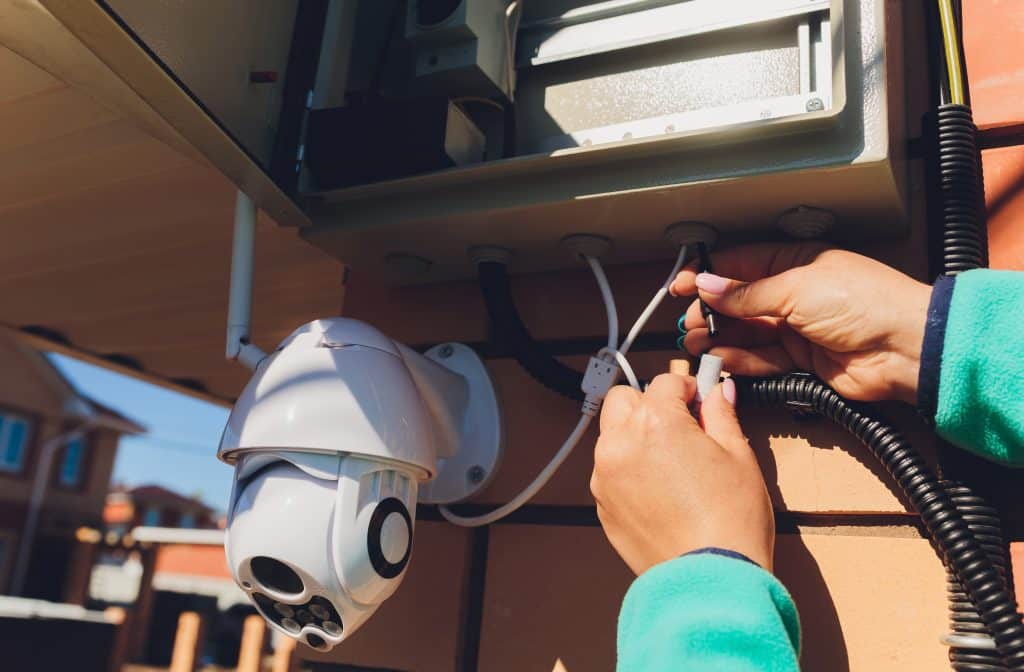
What is CCTV Security Camera System Installation?
CCTV security camera system installation is the process of planning, positioning, connecting, and configuring surveillance cameras and recording devices to monitor and protect a property. It includes selecting suitable equipment, ensuring proper coverage, setting up storage, and enabling remote access while complying with Australian privacy and safety guidelines.
Why CCTV Installation Matters in Australia
Australia has seen a steady increase in residential and commercial security awareness. According to the Australian Bureau of Statistics, property-related offences remain one of the most reported crime categories, which drives demand for preventative measures like CCTV.
Key Benefits:
- Crime deterrence: Visible cameras reduce opportunistic crime.
- Evidence collection: High-resolution footage supports investigations.
- Remote monitoring: Essential for business owners managing multiple locations.
- Insurance benefits: Some insurers may offer reduced premiums (varies by provider).
Additionally, modern systems integrate with smart home technology, which is increasingly popular across Australia.
Types of CCTV Systems Available
Understanding your options is critical before installation.
1. Analog CCTV Systems
- Traditional setup
- Lower cost
- Limited resolution
2. IP (Internet Protocol) Cameras
- High-definition video
- Remote access via apps
- Scalable for large systems
3. Wireless CCTV Systems
- Easier installation
- Flexible placement
- May depend on strong Wi-Fi
4. AI-Enabled Smart Cameras
- Motion detection
- Facial recognition (limited use due to privacy considerations in Australia)
- Smart alerts
From experience, most Australian homes now prefer IP-based systems due to their flexibility and image quality.
Key Components of a CCTV System
A successful cctv security camera system installation depends on how well each component integrates.
Core Components:
- Cameras: Dome, bullet, PTZ (pan-tilt-zoom)
- Recorder: DVR (Digital Video Recorder) or NVR (Network Video Recorder)
- Storage: Hard drives or cloud storage
- Cabling: Ethernet or coaxial cables
- Power Supply: Dedicated or PoE (Power over Ethernet)
- Monitoring Interface: Mobile apps or desktop software
Step-by-Step CCTV Security Camera System Installation Checklist
Here’s a practical checklist based on real-world installations:
1. Assess Your Property
- Identify entry/exit points
- Consider blind spots
- Evaluate lighting conditions
2. Choose the Right Cameras
- Outdoor vs indoor rating (IP65+ for Australian weather)
- Night vision capability
- Resolution (at least 1080p recommended)
3. Plan Camera Placement
- Install at 2.5–4 metres height
- Avoid direct sunlight exposure
- Cover high-risk zones
4. Install Cabling or Configure Wireless Setup
- Use weather-resistant cables outdoors
- Secure connections properly
5. Set Up Recorder & Storage
- Configure recording schedules
- Enable motion detection
6. Connect to Network
- Ensure stable internet
- Set up secure passwords
7. Test the System
- Check all camera angles
- Verify remote access
8. Review Compliance Requirements
- Ensure signage if required
- Avoid capturing neighbouring properties unnecessarily
Choosing the Right System for Australian Conditions
Australia’s environment plays a major role in system performance.
Considerations:
- Heat resistance: Summers can exceed 40°C
- Dust and rain protection: Especially in coastal or rural areas
- Bushfire risk zones: Equipment should be durable
According to Standards Australia, equipment used outdoors should meet specific durability and safety benchmarks.
Cost of CCTV Security Camera System Installation in Australia
Costs vary depending on system complexity.
Typical Price Ranges (Estimated):
- Basic home setup: $500–$1,500
- Mid-range system: $1,500–$3,500
- Commercial installations: $5,000+
Factors influencing cost:
- Number of cameras
- Installation complexity
- Storage requirements
- Labour charges
Always request a detailed quote to avoid hidden costs.
Compliance, Privacy & Regulations (Australia)
CCTV use in Australia is governed by privacy principles rather than a single national law.
Key Points:
- Avoid recording areas where people expect privacy (e.g., bathrooms)
- Inform individuals via signage when surveillance is active
- Follow guidance from the Office of the Australian Information Commissioner
⚠️ Note: This is administrative guidance only. For legal compliance, consult a licensed professional.
Wired vs Wireless CCTV Systems (Comparison Table)
| Feature | Wired CCTV Systems | Wireless CCTV Systems |
|---|---|---|
| Reliability | Very high | Depends on Wi-Fi |
| Installation | Complex | Easier |
| Cost | Higher upfront | Lower initial cost |
| Scalability | Moderate | Highly flexible |
| Interference Risk | Minimal | Possible |
| Best For | Businesses | Homes & small offices |
Common Mistakes to Avoid
From hands-on experience, these are the most frequent issues:
- Poor camera placement
- Ignoring lighting conditions
- Weak passwords (security risk)
- Overlooking storage capacity
- Not considering legal/privacy aspects
People Also Ask (PAA)
1. How much does CCTV installation cost in Australia?
Costs typically range from $500 to $3,500 for residential setups, depending on system size and complexity. Commercial systems can exceed $5,000.
2. Do I need permission to install CCTV at home in Australia?
Generally, no permission is required for private property. However, you must avoid recording neighbours or public areas unnecessarily and follow privacy guidelines.
3. Can I install CCTV myself?
Yes, DIY installation is possible for basic systems. However, professional installation ensures better coverage, compliance, and reliability.
4. What is the best type of CCTV system for homes?
IP cameras with remote access are the most popular choice in Australia due to their flexibility and high-quality footage.
5. How long is CCTV footage stored?
Typically, footage is stored for 7–30 days, depending on storage capacity and settings.
FAQs / Expert Q&A
1. What is the ideal camera resolution for Australian properties?
At minimum, 1080p is recommended. However, 4MP or 4K cameras provide better clarity, especially for identifying faces and licence plates.
2. How many cameras do I need for a standard home?
Most Australian homes require 4–8 cameras to cover entry points, driveways, and backyards effectively.
3. Is cloud storage better than local storage?
Cloud storage offers remote access and backup, but local storage is more cost-effective. Many systems now combine both.
4. Can CCTV systems work during power outages?
Only if supported by backup power (UPS or battery systems). This is highly recommended for security continuity.
5. How often should CCTV systems be maintained?
Regular maintenance every 6–12 months ensures optimal performance, including cleaning lenses and checking connections.
Conclusion
Investing in cctv security camera system installation is one of the most effective ways to protect your property in Australia. However, the real value comes from proper planning, correct installation, and ongoing maintenance.
If you’re serious about securing your home or business, working with experienced professionals makes a significant difference. For tailored solutions and expert support, explore professional CCTV installation services in Australia to ensure your system is reliable, compliant, and built to last.