

Table of Contents
- Introduction
- What Is Security Camera System Installation? (Featured Snippet)
- Why Security Camera System Installation Is Important in Australia
- Types of Security Camera Systems Used in Australia
- Key Steps in Security Camera System Installation
- Choosing the Right Camera for Your Property
- Security Camera Installation Process (Step-by-Step Checklist)
- Compliance and Privacy Considerations in Australia
- Wired vs Wireless Security Camera Systems (Comparison Table)
- Cost Factors for Security Camera System Installation in Australia
- Professional vs DIY Security Camera Installation
- Maintenance and Best Practices After Installation
- People Also Ask (PAA)
- FAQs: Expert Questions and Answers
- Conclusion
Introduction
If you’re researching security camera system installation, you’re likely looking for a reliable way to protect your property, family, or business. Across Australia, security cameras are increasingly used to deter theft, monitor premises, and provide evidence if incidents occur.
From my experience working with property owners and facility managers, many people assume installing cameras is simply about mounting devices on walls. In reality, effective security camera system installation requires planning, correct placement, network configuration, and compliance with Australian privacy expectations.
Australia has seen consistent growth in security technology adoption. According to the Australian Institute of Criminology, surveillance systems can significantly assist in crime prevention and investigation when properly implemented. Thoughtful installation ensures cameras capture useful footage while respecting privacy regulations.
This guide explains everything Australians need to know about installing a security camera system from selecting the right equipment to understanding local compliance considerations.
What Is Security Camera System Installation?
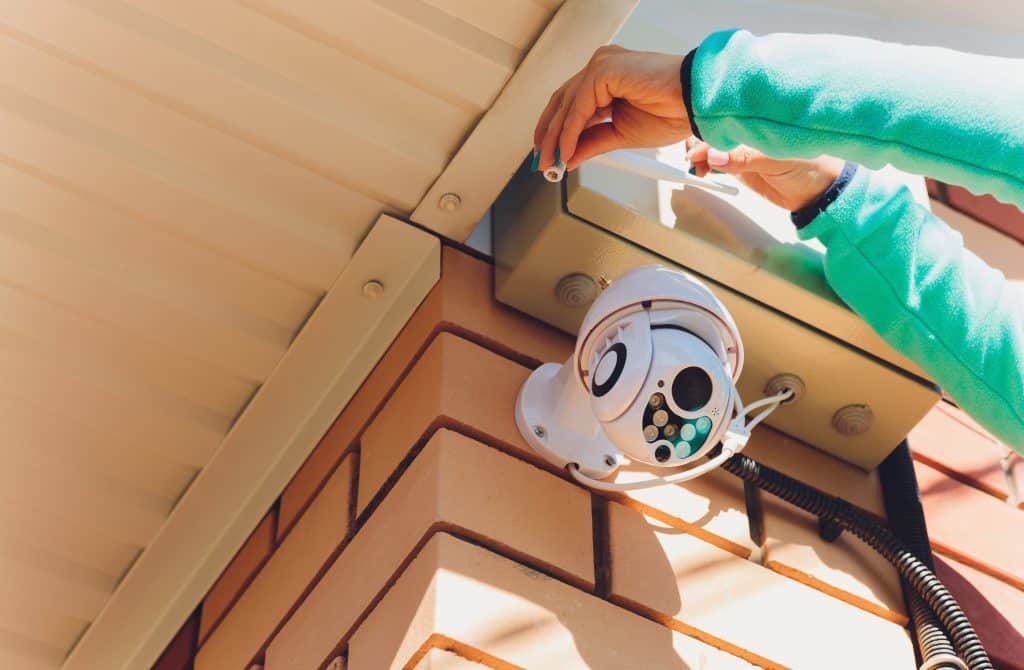
Security camera system installation is the process of planning, mounting, configuring, and integrating surveillance cameras to monitor and record activity on a property. In Australia, this typically includes selecting suitable cameras, ensuring lawful placement, connecting recording systems, and configuring remote access for monitoring homes or businesses.
Why Security Camera System Installation Is Important in Australia
Security cameras have become an essential part of modern property protection. Several factors explain their growing popularity in Australia.
1. Crime Deterrence
Visible surveillance cameras can discourage potential offenders. Research indicates offenders often avoid locations where surveillance is present.
According to the Australian Institute of Criminology, surveillance technologies are widely used by businesses and property owners to help prevent opportunistic crime.
2. Evidence Collection
High-quality video recordings can assist investigations if theft or vandalism occurs.
3. Remote Monitoring
Modern systems allow property owners to check their premises via smartphone apps, which is particularly useful for:
- Travellers
- Business owners
- Landlords
4. Workplace Safety
For businesses, surveillance helps monitor safety compliance and operational processes.
However, cameras should always be installed responsibly and transparently.
Types of Security Camera Systems Used in Australia
Selecting the right system is the first step in a successful security camera system installation.
Common Types of Security Cameras
1. Dome Cameras
Often used in retail and indoor environments.
Benefits:
- Discreet appearance
- Wide viewing angles
- Vandal-resistant designs
2. Bullet Cameras
Common for outdoor surveillance.
Benefits:
- Long-range visibility
- Weatherproof housing
- Visible deterrent effect
3. PTZ Cameras (Pan-Tilt-Zoom)
Typically used in large commercial properties.
Benefits:
- Remote movement control
- Wide area coverage
- High zoom capability
4. Wireless Cameras
Ideal for residential setups where wiring is difficult.
5. IP Cameras
Internet-connected cameras capable of high-resolution footage and cloud storage.
Key Steps in Security Camera System Installation
A professional security camera system installation involves several stages beyond simply mounting cameras.
Planning and Risk Assessment
The process begins by identifying:
- Entry points
- Blind spots
- High-value areas
- Lighting conditions
For example, businesses often prioritise entrances, cash registers, and parking areas.
Camera Placement
Strategic positioning ensures cameras capture clear images while minimising blind spots.
Typical locations include:
- Front entrances
- Driveways
- Backyards
- Hallways
- Storage areas
Network and Power Setup
Modern surveillance systems require stable network connectivity.
Installers may use:
- Power over Ethernet (PoE)
- Dedicated recording systems
- Cloud storage
System Configuration
This includes:
- Setting recording schedules
- Motion detection alerts
- Mobile app integration
Choosing the Right Camera for Your Property
Not every property requires the same camera type. The right choice depends on several factors.
Lighting Conditions
Low-light or infrared cameras are recommended for night monitoring.
Weather Exposure
Outdoor cameras should be weatherproof (IP65 or higher).
Image Resolution
Most modern systems use:
- 1080p HD
- 4MP
- 4K cameras
Higher resolution improves identification accuracy.
Storage Options
Security footage may be stored using:
- Network Video Recorders (NVR)
- Cloud storage
- Local hard drives
The Australian Cyber Security Centre provides guidance on securing internet-connected devices to prevent unauthorised access:
Australian Cyber Security Centre.
Security Camera Installation Process (Step-by-Step Checklist)
Below is a practical checklist often used by professionals.
Security Camera Installation Checklist
- Assess property risks and surveillance goals
- Choose camera types and recording system
- Plan camera placement and coverage angles
- Install mounting brackets and cabling
- Connect cameras to NVR or network
- Configure recording settings and alerts
- Test footage quality and blind spots
- Set up mobile monitoring access
- Secure network and passwords
- Document system setup for maintenance
Following these steps helps ensure your security camera system installation performs effectively.
Compliance and Privacy Considerations in Australia
Australia has clear expectations around surveillance and privacy.
Property owners should avoid installing cameras that capture areas where people expect privacy.
For example:
- Bathrooms
- Neighbouring private spaces
- Bedrooms
The Office of the Australian Information Commissioner explains that organisations using surveillance must manage personal information responsibly.
Important considerations include:
- Informing employees about workplace surveillance
- Using signage when appropriate
- Protecting stored footage
These are administrative considerations rather than legal advice, and businesses should consult qualified professionals for specific compliance requirements.
Wired vs Wireless Security Camera Systems
Choosing between wired and wireless systems is a common decision during security camera system installation.
| Feature | Wired Camera Systems | Wireless Camera Systems |
|---|---|---|
| Reliability | Very stable connection | Dependent on Wi-Fi quality |
| Installation complexity | Requires cabling | Easier installation |
| Video quality | Consistent high quality | Can fluctuate |
| Scalability | Better for large properties | Better for small setups |
| Maintenance | Lower interference risk | Requires network monitoring |
In many Australian commercial properties, wired IP systems are preferred due to reliability.
Cost Factors for Security Camera System Installation in Australia
Costs can vary depending on several factors.
Major Cost Drivers
- Number of cameras
- Camera resolution
- Installation complexity
- Recording equipment
- Cabling requirements
- Monitoring features
Estimated installation ranges (industry averages):
| Property Type | Typical System Size | Estimated Cost Range |
|---|---|---|
| Small home | 2–4 cameras | $600 – $2,000 |
| Medium home | 4–8 cameras | $1,500 – $4,000 |
| Small business | 6–12 cameras | $3,000 – $10,000 |
These figures are estimates and may vary depending on equipment quality and installer expertise.
For tailored system recommendations and professional guidance, you can explore professional security camera system installation services in Australia offered by experienced specialists.
Professional vs DIY Security Camera Installation
Many homeowners consider installing cameras themselves.
DIY Installation
Advantages:
- Lower upfront cost
- Flexible timing
Limitations:
- Incorrect placement risks
- Network security issues
- Reduced system reliability
Professional Installation
Advantages:
- Expert planning and coverage design
- Proper cable management
- Secure system configuration
In many cases, professional installation helps avoid costly mistakes later.
Maintenance and Best Practices After Installation
After completing security camera system installation, ongoing maintenance is essential.
Regular Maintenance Tips
- Clean camera lenses every few months
- Check night-vision performance
- Update firmware regularly
- Review footage storage settings
- Test motion alerts
Neglecting maintenance can reduce camera effectiveness over time.
People Also Ask (PAA)
How much does security camera system installation cost in Australia?
Costs typically range from around $600 for small home systems to $10,000 or more for commercial installations. The final price depends on camera quality, property size, and installation complexity.
Can I install security cameras at home in Australia?
Yes, homeowners can install cameras on their property. However, cameras should not record private areas of neighbouring properties or spaces where people expect privacy.
Do security cameras require internet access?
Not always. Many systems record footage locally using a network video recorder. However, internet access is usually required for remote viewing via smartphone apps.
Where should security cameras be installed around a house?
Common locations include entry doors, driveways, garages, backyards, and main hallways. Cameras should cover key access points and eliminate blind spots.
Are wireless security cameras reliable?
Wireless cameras can be reliable for small residential setups, but wired systems often provide more stable performance for larger properties or businesses.
FAQs: Expert Questions and Answers
1. How many cameras does a typical home security system need?
Most Australian homes use between four and eight cameras to cover entry points, driveways, and outdoor areas. The exact number depends on property size and layout.
2. What resolution is best for security cameras?
1080p is considered the minimum standard today. However, many modern installations use 4MP or 4K cameras for improved image clarity and better identification.
3. How long should security footage be stored?
Retention periods vary depending on storage capacity and business requirements. Many systems store footage for 7–30 days before automatic overwrite.
4. Can security cameras work during power outages?
Some systems include battery backups or uninterruptible power supplies. These allow cameras and recording systems to continue operating temporarily during outages.
5. Is cloud storage better than local storage?
Cloud storage offers remote access and backup protection, but local storage can provide faster access and lower ongoing costs. Many systems combine both methods.
Conclusion
Effective security camera system installation is about more than mounting cameras it involves careful planning, appropriate equipment selection, and responsible use.
For Australian homeowners and businesses, a well-installed surveillance system can help deter crime, improve safety, and provide peace of mind.
However, success depends on choosing the right system and installing it correctly.
If you’re considering upgrading your property security, exploring trusted security camera installation services in Australia can help ensure your system is professionally designed, properly configured, and compliant with Australian standards.