

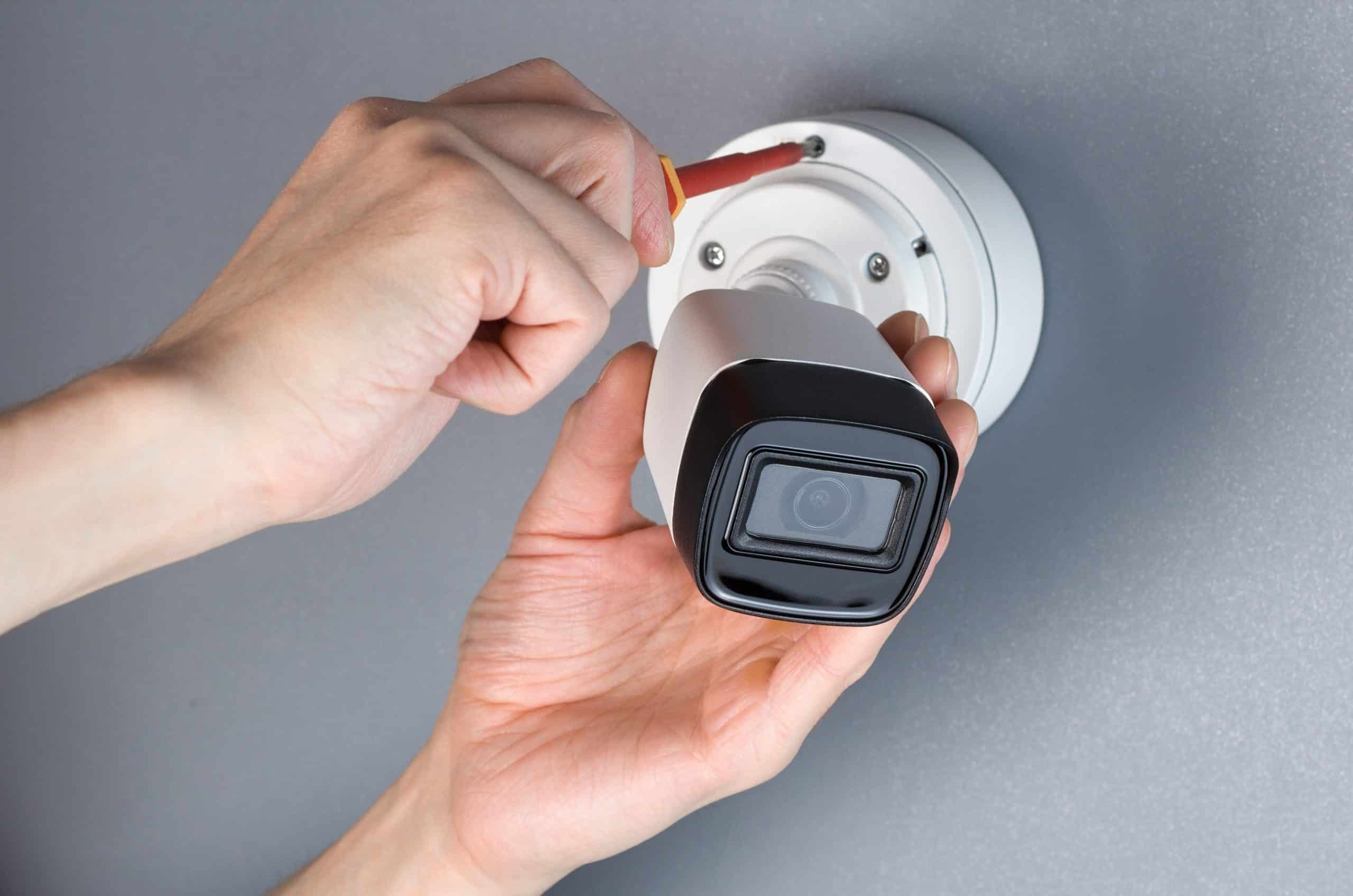
If you’re searching for the best security camera systems Australia has to offer, you’re not alone. Across Australia, homeowners and businesses are investing in smarter surveillance to deter theft, monitor property, and improve peace of mind. From my experience working with residential and commercial installations, the “best” system isn’t the most expensive it’s the one that matches your property layout, risk profile, and compliance obligations.
However, choosing the right system in Australia involves more than comparing megapixels. You also need to consider local climate conditions, privacy rules, storage laws, and whether the system meets Australian Standards.
What Are the Best Security Camera Systems Australia?
The best security camera systems Australia residents choose are reliable, weather-rated (IP66 or higher), compliant with local privacy laws, and suited to the property’s size and risk level. They typically include high-definition cameras, secure data storage, mobile access, and professional installation aligned with Australian Standards.
Table of Contents
- Why Security Cameras Matter in Australia
- What Makes the Best Security Camera Systems Australia-Ready
- Types of Security Camera Systems in Australia
- Wired vs Wireless Systems: Comparison Table
- Key Features to Look For in Australia
- Understanding Privacy & Compliance in Australia
- Storage Options: Cloud vs Local
- Cost Breakdown in Australia
- Installation Checklist (Step-by-Step)
- Best Security Camera Systems Australia for Homes
- Best Security Camera Systems Australia for Businesses
- People Also Ask
- FAQs – Expert Q&A
- Conclusion & Next Steps
1. Why Security Cameras Matter in Australia
Security cameras play a preventative role. According to the Australian Bureau of Statistics, household crime victimisation remains a concern across several states, particularly for property offences. While cameras cannot prevent all incidents, visible surveillance is widely regarded as a deterrent.
In addition, small businesses across Australia increasingly rely on CCTV for:
- Loss prevention
- Workplace safety monitoring
- Evidence collection
- Insurance documentation
Moreover, modern systems provide remote viewing, allowing owners to monitor premises from anywhere.
2. What Makes the Best Security Camera Systems Australia-Ready?
Not all systems suit Australian conditions. Our climate varies from tropical humidity in Queensland to coastal salt exposure and extreme heat in Western Australia. Therefore, the best security camera systems Australia requires should meet these criteria:
1. Weather Resistance
Look for IP66 or IP67 ratings, which protect against dust and heavy rain.
2. Heat Tolerance
Many Australian regions exceed 40°C in summer. Cameras should operate reliably above 50°C.
3. Australian Power Standards
Devices must comply with Australian electrical safety requirements.
4. Privacy Compliance
Cameras must not intrude on neighbouring private areas. The Office of the Australian Information Commissioner (OAIC) provides guidance on privacy obligations.
5. Secure Data Storage
Data should be encrypted and protected from unauthorised access.
From my experience, installations that fail in Australia usually overlook heat tolerance or proper waterproof ratings.
3. Types of Security Camera Systems in Australia
Understanding your options is essential.
A. Dome Cameras
- Discreet and vandal-resistant
- Suitable for retail and indoor spaces
B. Bullet Cameras
- Visible deterrent
- Ideal for perimeter security
C. PTZ (Pan-Tilt-Zoom) Cameras
- Wide area coverage
- Used in warehouses or large properties
D. Wireless Cameras
- Easier installation
- Suitable for renters
E. Wired (PoE) Systems
- Stable connection
- Preferred for long-term residential and commercial use
4. Wired vs Wireless: Which Is Better in Australia?
| Feature | Wired (PoE) Systems | Wireless Systems |
|---|---|---|
| Reliability | Highly stable | Can drop with weak Wi-Fi |
| Installation Cost | Higher upfront | Lower initial cost |
| Long-Term Durability | Excellent | Moderate |
| Data Security | Local network | Cloud-dependent |
| Best For | Homes & businesses | Small homes, renters |
In my experience, wired systems are generally the better long-term investment in Australia, particularly for larger properties.
5. Key Features in the Best Security Camera Systems Australia
When evaluating options, prioritise:
1. Resolution (1080p minimum, 4K preferred)
Higher resolution provides clearer identification.
2. Night Vision
Infrared (IR) or colour night vision is essential.
3. Wide Dynamic Range (WDR)
Important in Australia’s harsh sunlight.
4. Motion Detection with Smart Alerts
AI-based detection reduces false alarms.
5. Mobile App Access
Secure remote viewing.
6. Local Storage Backup
Even if cloud storage fails.
6. Understanding Privacy & Compliance in Australia
Privacy obligations differ between residential and business use.
Residential Installations
Homeowners can generally install CCTV on their own property. However, cameras should not record neighbouring private areas. State-based surveillance device laws may apply.
Business Installations
Businesses may be subject to the Privacy Act 1988 (Cth) when handling personal information. CCTV footage can qualify as personal data.
The OAIC provides guidance on managing surveillance responsibly. This article offers administrative information only and should be reviewed alongside advice from a licensed professional where necessary.
7. Storage Options: Cloud vs Local in Australia
Cloud Storage
- Remote access
- Subscription fees
- Off-site backup
Local NVR (Network Video Recorder)
- One-time hardware cost
- Full control of footage
- No ongoing fees
From my experience, many Australian homeowners prefer hybrid systems: local storage plus optional cloud backup.
8. Cost Breakdown in Australia
Estimated costs (2025 market averages):
| Property Type | System Type | Estimated Cost (AUD) |
|---|---|---|
| Small Home | 2–4 Cameras | $800–$2,500 |
| Large Home | 6–8 Cameras | $2,500–$6,000 |
| Small Business | 8–12 Cameras | $3,500–$10,000 |
| Commercial Site | 16+ Cameras | $10,000+ |
Costs vary depending on wiring complexity, storage capacity, and installation labour.
9. Installation Checklist for Australian Properties
- Assess entry points and blind spots.
- Confirm power and network availability.
- Choose IP-rated outdoor cameras.
- Check privacy positioning.
- Select secure storage method.
- Install signage if required for businesses.
- Test remote access.
- Schedule periodic maintenance.
This structured approach reduces compliance and performance issues.
10. Best Security Camera Systems Australia for Homes
For residential use, ideal systems typically include:
- 4K PoE cameras
- NVR with 2–4TB storage
- Mobile app integration
- IP67 weather rating
Professional installation improves long-term reliability. For tailored guidance specific to your property layout, you can explore professional solutions from Eclipse Security’s trusted Australian CCTV specialists.
11. Best Security Camera Systems Australia for Businesses
Businesses require:
- Higher storage retention
- Multiple camera angles
- Compliance signage
- Secure data access controls
In addition, businesses may need longer footage retention depending on operational requirements.
According to the Australian Cyber Security Centre, businesses should implement strong cyber security measures, including secure passwords and firmware updates, to protect connected devices.
People Also Ask
1. What is the best security camera system for Australian homes?
The best system combines 4K resolution, IP67 weather rating, reliable storage, and secure mobile access. Wired PoE systems are often preferred for reliability and long-term durability.
2. Are wireless security cameras reliable in Australia?
Wireless cameras can work well in small homes with strong Wi-Fi. However, for larger properties, wired systems generally provide more consistent performance.
3. Is it legal to install security cameras at home in Australia?
Yes, homeowners can install cameras on their property. However, they must avoid recording private areas of neighbouring properties and follow relevant state surveillance laws.
4. How much do security camera systems cost in Australia?
Most home systems range from $800 to $6,000 depending on size and features. Commercial installations can exceed $10,000.
FAQs – Expert Q&A on Best Security Camera Systems Australia
1. How long should CCTV footage be stored in Australia?
There is no universal storage requirement for private homes. Businesses may retain footage based on operational or regulatory needs. Storage duration should align with internal policies and privacy principles.
2. Are 4K cameras necessary for residential properties?
Not always. However, 4K cameras provide clearer identification at distance. For front entrances or driveways, 4K is often beneficial.
3. Do security cameras increase property value in Australia?
While not guaranteed, security systems can improve buyer appeal by enhancing perceived safety.
4. What maintenance is required?
Annual system checks, firmware updates, lens cleaning, and storage health monitoring are recommended.
5. Should I choose cloud-only storage?
Cloud storage is convenient but subscription-based. Many Australians prefer hybrid systems for redundancy and control.
Conclusion: Choosing the Right Security Camera System in Australia
Finding the best security camera systems Australia offers requires balancing performance, compliance, durability, and budget. Above all, the right system should match your property’s layout and risk profile.
Moreover, Australian climate conditions demand high-quality equipment. Equally important, privacy considerations must be respected. Therefore, professional assessment often delivers better long-term outcomes than DIY solutions.
If you’re ready to secure your home or business with a system tailored to Australian conditions, consider consulting experienced professionals who understand both technical requirements and administrative compliance considerations.
Peace of mind starts with the right system chosen carefully and installed correctly.