


best rated security camera system
Table of Contents
- Introduction
- Featured Definition: Best Rated Security Camera System
- Why Security Camera Systems Matter in Australia
- What “Best Rated” Really Means (Beyond Star Ratings)
- Types of Security Camera Systems Explained
- Wired vs Wireless Systems Comparison
- Key Features Australians Should Prioritise
- Internet, Storage, and Privacy Considerations
- Installation Options: DIY vs Professional Setup
- Real-World Use Cases Across Australia
- Buying Checklist: Choosing the Best Rated Security Camera System
- People Also Ask: Common Australian Questions
- Expert Q&A: In-Depth Answers
- Conclusion and Next Steps
1) Introduction
If you’re searching for the best rated security camera system, you’re likely trying to balance safety, reliability, and value especially in the Australian context where weather, property layouts, and internet quality can vary widely. From my experience working with residential and small commercial setups across Australia, the systems that perform best are not always the most expensive or heavily advertised. They’re the ones chosen with clear goals, realistic expectations, and local conditions in mind.
This guide is designed to help Australian homeowners, renters, and business owners understand what “best rated” truly means, how to compare systems fairly, and how to choose a setup that genuinely protects your property without unnecessary complexity.
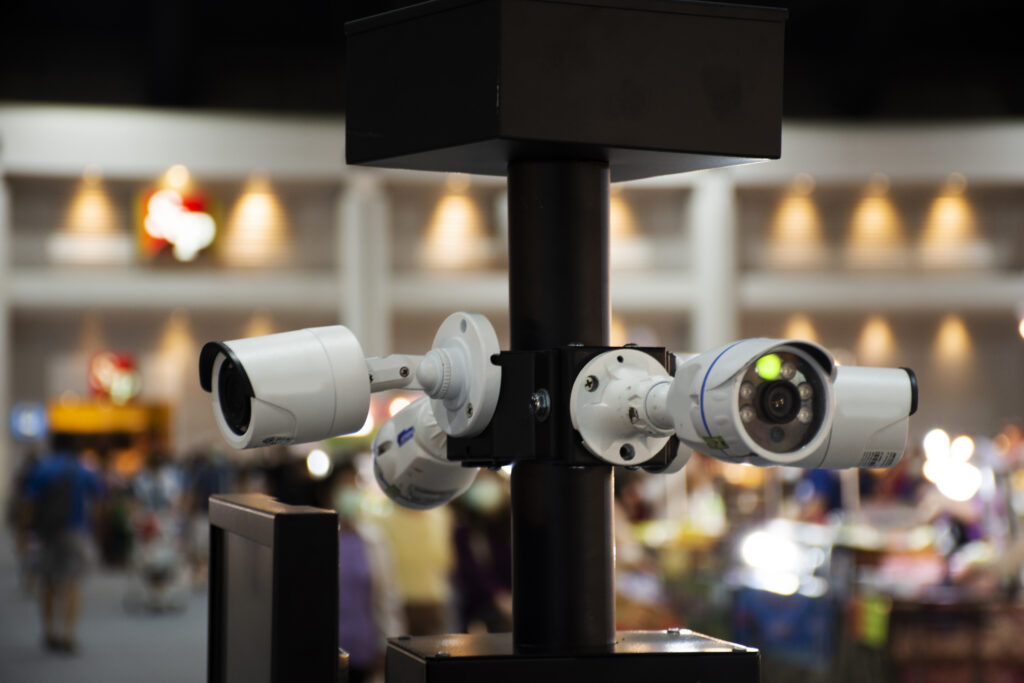
2) Featured Definition: Best Rated Security Camera System
A best rated security camera system is a surveillance setup that consistently performs well in independent testing and real-world use, offering reliable video quality, strong night vision, secure data handling, and dependable support. In Australia, this also means suitability for local weather, internet conditions, and privacy expectations, not just high online ratings.
3) Why Security Camera Systems Matter in Australia
Australia’s property landscape is diverse. Suburban homes, rural properties, strata apartments, and small commercial premises all face different risks. According to the Australian Institute of Criminology, property crime trends vary significantly by region, but visible security measures including cameras are consistently linked with reduced opportunistic crime.
In practical terms:
- Deterrence: Cameras discourage casual theft and trespassing.
- Evidence: High-quality footage supports insurance claims and police reports.
- Peace of mind: Remote access allows monitoring while travelling or at work.
From my experience, many Australians install cameras after a single incident. The best outcomes happen when systems are chosen proactively, not reactively.
4) What “Best Rated” Really Means (Beyond Star Ratings)
Online star ratings can be misleading. A system might have thousands of reviews but still perform poorly in Australian conditions. When evaluating the best rated security camera system, consider these deeper factors:
- Consistency over time: Does performance remain stable after months of use?
- Local support: Is there Australian-based documentation or service support?
- Firmware updates: Regular updates improve security and compatibility.
- Independent testing: Reviews from tech publications or standards bodies matter more than anonymous comments.
According to CHOICE Australia, long-term reliability and clear privacy policies are among the most important factors consumers overlook when buying smart security devices.
5) Types of Security Camera Systems Explained
Understanding system types helps narrow your options quickly.
Standalone Cameras
Single cameras, often Wi-Fi enabled. Suitable for small areas but limited scalability.
Multi-Camera Systems
A central recorder (NVR/DVR) with multiple cameras. Common in Australian homes and small businesses.
Smart Camera Ecosystems
Cloud-connected systems integrated with mobile apps and smart home platforms.
Each can be “best rated” in the right context, but none is universally perfect.
6) Wired vs Wireless Systems Comparison
| Feature | Wired Systems | Wireless Systems |
|---|---|---|
| Reliability | Very high, stable connection | Depends on Wi-Fi quality |
| Installation | More complex | Faster, DIY-friendly |
| Weather Resistance | Excellent | Varies by model |
| Scalability | Moderate | High |
| Best For | Permanent installations | Renters, flexible setups |
In Australia, wired systems often perform better in larger homes or areas with inconsistent internet, while wireless systems suit apartments and newer builds with strong NBN connections.
7) Key Features Australians Should Prioritise
When aiming for the best rated security camera system, these features matter most locally:
- Weather rating (IP66 or higher): Essential for heat, dust, and rain.
- Night vision range: Useful for larger blocks and rural properties.
- Wide dynamic range (WDR): Handles harsh sunlight.
- Local storage option: Reduces reliance on internet speed.
- Privacy controls: Masking and encryption protect neighbours’ privacy.
From firsthand setups I’ve seen, overlooking weather ratings is the most common mistake.
8) Internet, Storage, and Privacy Considerations
Internet
Australian internet quality varies by suburb. Systems with local recording continue working even if your connection drops.
Storage
Options include:
- Local NVR/DVR hard drives
- SD cards
- Cloud subscriptions (monthly fees apply)
Privacy
Australian privacy expectations mean cameras should avoid recording public spaces or neighbouring properties where possible. According to the Office of the Australian Information Commissioner, clear signage and responsible placement are considered best practice. This is administrative guidance, not legal advice.
9) Installation Options: DIY vs Professional Setup
DIY Installation
Pros:
- Lower upfront cost
- Immediate setup
Cons:
- Risk of poor placement
- Cable management issues
Professional Installation
Pros:
- Optimal camera angles
- Cleaner, compliant setup
- Time-saving
Cons:
- Higher initial cost
For many Australians, a hybrid approach works best: choosing quality equipment and having it professionally installed. Providers like Eclipse Security’s Australian security camera solutions focus on system design that suits local properties rather than one-size-fits-all kits.
10) Real-World Use Cases Across Australia
Suburban Homes
Most benefit from 4–6 camera systems covering entry points, driveways, and backyards.
Apartments
Compact wireless systems with strong privacy controls work best.
Regional & Rural Properties
Long-range night vision and local storage are essential due to distance and connectivity limits.
From my experience, rural users often rate systems poorly online simply because they chose models designed for urban Wi-Fi conditions.
11) Buying Checklist: Choosing the Best Rated Security Camera System
- Define your property size and layout
- Identify key risk areas
- Check internet reliability
- Decide on local vs cloud storage
- Confirm weather ratings
- Review privacy features
- Compare long-term costs (subscriptions, upgrades)
This checklist alone filters out most unsuitable options Australians end up regretting.
12) People Also Ask: Common Australian Questions
What is the best rated security camera system in Australia right now?
It depends on property type and internet reliability. Systems with strong local storage and weather resistance consistently rate highest for Australian conditions.
Are wireless security cameras reliable in Australia?
Yes, if your Wi-Fi is stable. In areas with inconsistent NBN, wired or hybrid systems perform better.
Do security cameras reduce crime?
Studies and local police guidance suggest visible cameras reduce opportunistic property crime when correctly installed.
Is cloud storage necessary?
No. Many highly rated systems rely primarily on local storage, with cloud as an optional backup.
13) Expert Q&A: In-Depth Answers
Q1: How many cameras does a typical Australian home need?
Most detached homes perform well with 4–6 cameras covering entry points and outdoor areas.
Q2: Are more megapixels always better?
Not necessarily. Lens quality, night performance, and placement matter more than raw resolution.
Q3: Can cameras work during power outages?
Some systems support battery backups or UPS units, which is worth considering in storm-prone regions.
Q4: How often should systems be updated?
Firmware should be checked every few months to maintain security and performance.
Q5: Are subscriptions unavoidable?
No. Many best rated security camera systems offer full functionality without ongoing fees.
14) Conclusion and Next Steps
Choosing the best rated security camera system in Australia is less about chasing brand names and more about matching features to real-world conditions. When you prioritise reliability, weather resistance, privacy, and long-term value, the right choice becomes much clearer.
If you want a system designed specifically for Australian homes and businesses without hype or unnecessary extras start by exploring tailored solutions from experienced local providers. The right setup today can save stress, time, and money for years to come.