


The Definitive Australian Guide to a Security Camera Security System
Table of Contents
- Introduction
- What Is a Security Camera Security System? (Featured Snippet)
- Why Australians Use Security Camera Security Systems
- Key Components of a Security Camera Security System
- Choosing the Right System in Australia
- Installation: Best Practices & Checklist
- Compliance & Privacy in Australia
- Security Camera System Comparison
- People Also Ask (Common Questions)
- Expert Q&A
- Conclusion & Next Steps
1. Introduction
If you’re searching in Australia for a security camera security system, you’re likely focused on protecting your property, people or premises with effective, modern surveillance and you’re in the right place. In this guide, I’ll walk you through what these systems are, how to choose them, and what legal and practical steps matter in an Australian context. From years of reviewing systems used across homes and businesses Down Under, I’ll help you avoid confusion and be confident with decisions that matter.
2. What Is a Security Camera Security System?
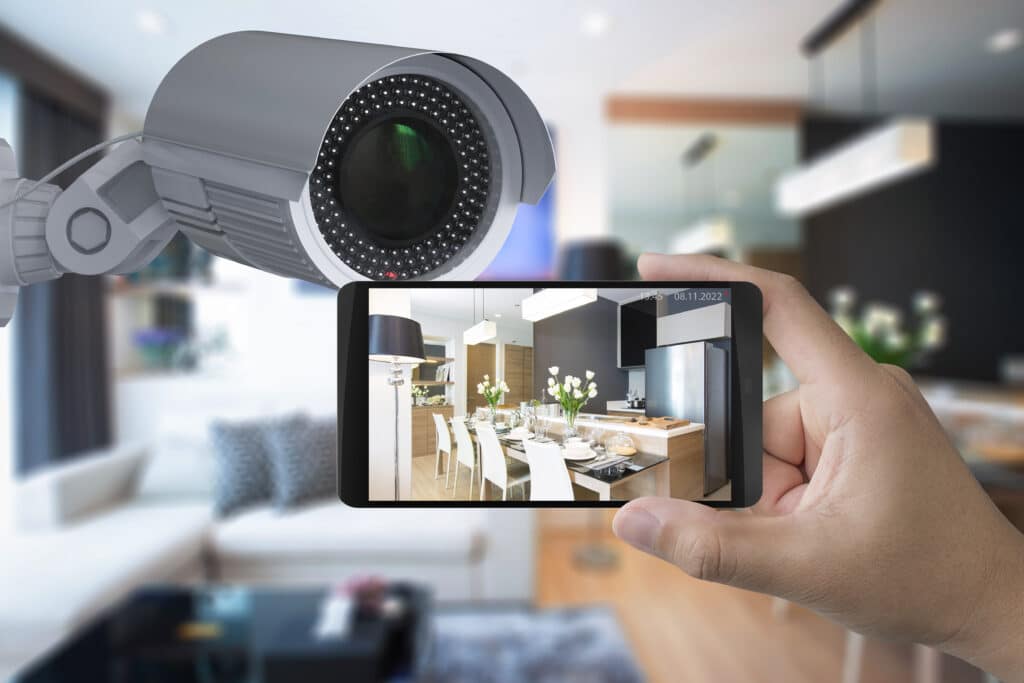
A security camera security system is a coordinated set of cameras and recording devices designed to monitor, record and alert you to activity at a property. These systems deter crime, provide real-time surveillance and evidence capture, and can tie into alarms or mobile apps for 24/7 remote access tailored to Australian home and business needs.
3. Why Australians Use Security Camera Security Systems
Security cameras are now a common feature across many Australian homes and workplaces. They help deter theft, provide real footage for investigations and give business owners visibility over their sites whether in Sydney, Brisbane or regional areas. Quality systems help Australians feel safer and more in control of their property.
According to local security guides, effective CCTV systems improve operational awareness and help meet insurance and safety expectations, particularly for retail and commercial spaces.
4. Key Components of a Security Camera Security System
A robust security camera system typically includes:
- Cameras: Wired or wireless CCTV units with high resolution (commonly 4K or 8MP).
- Recording: A Network Video Recorder (NVR) or cloud storage.
- Monitoring: Live views through apps or monitoring stations.
- Alerts: Motion detection notifications and smart features.
- Power & Networking: Reliable power supplies and cabling.
- Security: Encryption and secure login to prevent breaches.
Devices vary in capability, durability and weather resilience especially relevant for outdoor units in Australia’s varied climate.
5. Choosing the Right System in Australia
Australian Considerations
When choosing a system for Australian homes or businesses, key factors include:
- Resolution & Coverage: Aim for at least 1080p-4K for clear details.
- Night Vision: Infrared or colour night vision improves 24/7 monitoring.
- Smart Features: App alerts, motion tracking, remote viewing.
- Weatherproofing: IP-rated cameras for outdoor use.
Additionally, your choice should align with local regulations around recording and privacy — especially regarding audio capture.
Common System Types
| System Type | Best For | Pros | Cons |
|---|---|---|---|
| Wired CCTV | Permanent installs | Reliable, continuous footage | Can be costly, needs professionals |
| Wireless CCTV | Homes, rentals | Flexible, easy install | Dependent on Wi-Fi quality |
| Smart CCTV | Remote users | App integration, alerts | Privacy & data plan considerations |
6. Installation: Best Practices & Checklist
A security camera system is only as good as its installation. Here’s a practical checklist to follow:
Installation Checklist
- Assess Needs: Map entry points, blind spots and zones needing coverage.
- Choose Optimal Locations: Front door, driveway, backyard, business entrances.
- Respect Privacy: Angle cameras inward to your property; avoid neighbours’ spaces.
- Height & Security: Mount units at least 2.5 m high to deter tampering.
- Power & Connectivity: Confirm stable power and strong network signals.
- Signage: Display clear signs if footage may capture people.
- Backup & Storage: Set retention periods and backup plans.
7. Compliance & Privacy in Australia
Legal Framework
In Australia, cameras and surveillance devices are subject to a blend of federal and state laws:
- Federal privacy obligations apply under the Privacy Act 1988 for businesses collecting personal information via cameras.
- State surveillance device acts vary across territories and govern how and where cameras may record people.
- Audio recording laws are often stricter than visual many Australian systems recommend disabling audio to avoid consent issues.
Practical Steps to Stay Compliant
- Notify people when they may be recorded.
- Avoid private areas (bathrooms, neighbour zones).
- Securely store footage with defined retention limits.
- Seek professional advice on workplace surveillance laws if you operate a business.
8. Security Camera System Comparison
Here’s a quick comparison for typical Australian use cases:
| Feature | Residential | Small Business | Commercial/Enterprise |
|---|---|---|---|
| Coverage Area | Moderate | Broad | Extensive |
| Recommended System | Wireless or Hybrid | Wired NVR | Enterprise CCTV + monitoring |
| Legal Focus | Privacy & placement | Notifications + compliance | Workplace surveillance regime |
| Best For | Home safety | Store protection | High-risk security environments |
9. People Also Ask (Common Questions Australians Search)
1) Is it legal to install security cameras in Australia?
Yes subject to privacy rules and state behaviors. If cameras capture people outside your property or record audio, additional rules apply.
2) Do security cameras need signage in Australia?
It’s good practice and often required if you’re capturing footage of people to notify with clear signs.
3) Can neighbours complain about my CCTV?
If your cameras capture private spaces or people without consent, neighbours may have recourse under local laws.
10. Expert Q&A
Q1: What’s the best number of cameras for a suburban home?
Typically between 4–8 cameras cover main access points, entryways and blind spots, but your layout may vary.
Q2: Should I choose wired or wireless?
Wired systems are more stable; wireless works well where cabling is impractical but depends on network reliability.
Q3: How long should footage be stored?
Retention commonly ranges from 30–90 days, depending on your purpose and storage capacity.
Q4: Can security systems detect motion alerts?
Yes modern systems use motion analytics to notify you only when activity is detected.
Q5: Does insurance consider a security camera system?
many Australian insurers prefer documented security systems, but always confirm with your provider.
11. Conclusion & Next Steps
Choosing a security camera security system in Australia involves balancing the right technology, smart installation and legal compliance all rooted in your specific property needs. Start with a solid assessment of your site, pick the best system for your budget and layout, and follow installation best practices for long-term satisfaction.
For tailored solutions and professional support that fits the Australian market, explore the experts behind top security setups at Eclipse Security Australia’s tailored security camera solutions.