


Ultimate Guide to Choosing a Security Surveillance Camera System in Australia
Table of Contents
- Introduction
- Featured Definition
- What Is a Security Surveillance Camera System?
- How Security Surveillance Systems Work
- Types of Security Surveillance Camera Systems
- Key Features Australians Should Look For
- Comparison Table: Wired vs Wireless Systems
- Checklist: Choosing Your Security Surveillance Camera System
- Installation, Maintenance & Ongoing Support
- Privacy, Compliance, and Administrative Considerations
- People Also Ask (PAA)
- Expert Q&A
- Conclusion & Next Steps
1. Introduction
If you’re in Australia and serious about protecting your home or business, a security surveillance camera system is one of the most effective ways to monitor activity, deter crime, and gather evidence when incidents occur. From my experience working with property owners across urban and regional Australia, the challenge isn’t just picking cameras it’s understanding how systems perform in real-world conditions such as heat, dust, limited internet speed, and privacy obligations.
This article will walk you through everything you need to know from basic definitions to practical buying advice tailored for Australians who use search engines to find reliable, actionable information.
2. Featured Definition
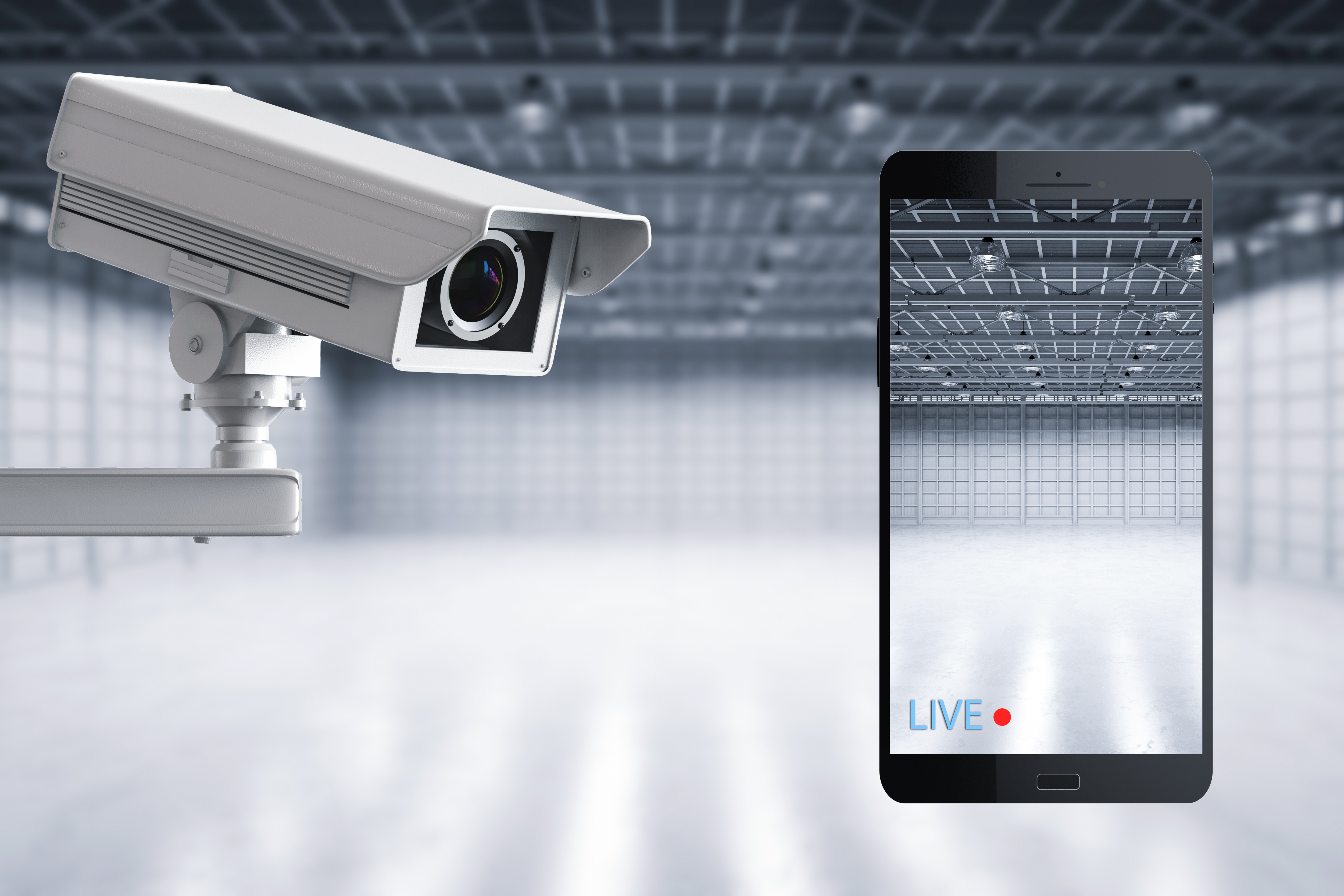
A security surveillance camera system is an integrated setup of cameras and recording/monitoring equipment designed to capture, record, and sometimes analyse video footage of a property. In Australia, these systems help deter crime, support investigations, and allow remote monitoring for homes and businesses alike.
3. What Is a Security Surveillance Camera System?
A security surveillance camera system typically consists of multiple cameras connected to recording and storage devices, where footage can be reviewed live or later. In Australia, these systems are used across residential, commercial, and industrial environments to enhance safety and provide visual records that can support police or insurance claims.
At their core, surveillance camera systems do three things:
- Capture Video: Cameras record activity in defined areas.
- Store Footage: Footage is stored locally (e.g., network video recorder) or on the cloud.
- Enable Viewing: Users access real-time or recorded video via apps, monitors, or alerts.
4. How Security Surveillance Systems Work
Most modern systems follow a basic operational flow:
- Video Capture: Cameras record continuously or on motion.
- Transmission: Video travels over cable (wired) or network (IP/Wi-Fi).
- Recording: A device (DVR/NVR) or cloud service stores footage.
- Access: Owners view footage locally via monitors or remotely via mobile apps.
- Alerts: Configurable alerts notify users of motion or defined events.
This structure ensures both ongoing observation and fast access when needed.
5. Types of Security Surveillance Camera Systems
Security camera systems vary based on connectivity, purpose, and complexity:
CCTV (Closed-Circuit Television)
Traditional system with cameras connected to a recorder (DVR/NVR). Ideal for businesses and large sites.
IP (Internet Protocol) Cameras
Transmit video over a network, often supporting higher resolution, analytics, and remote access.
Wireless Cameras
Easy to install and flexible but depend on strong Wi-Fi coverage.
Wired Cameras
More reliable and stable, especially for commercial setups where consistent video quality is essential.
6. Key Features Australians Should Look For
When choosing a system in Australia, consider:
- Resolution: 1080p is minimum; 4K provides clearer identification.
- Night Vision: Infrared and colour night vision help capture clear footage in darkness.
- Remote Monitoring: Mobile access is essential for homeowners and businesses.
- Motion Detection & AI: Advanced sensors can reduce false alerts from pets or weather.
- Weather Resistance: Outdoor cameras should have an IP66 rating or better for Australian conditions.
7. Comparison Table: Wired vs Wireless Systems
| Feature | Wired System | Wireless System |
|---|---|---|
| Reliability | High | Dependent on Wi-Fi strength |
| Installation | Professional recommended | Easier DIY |
| Video Quality | Stable | Can fluctuate |
| Scalability | Moderate | High |
| Best Use | Businesses & large sites | Residential & rentals |
In many Australian urban areas, wired setups remain popular for business security, while wireless solutions are common for homes due to ease of installation.
8. Checklist: Choosing Your Security Surveillance Camera System
- Define Your Needs: Home, business, or mixed use?
- Assess Coverage Areas: Entrances, driveways, high-risk zones?
- Choose Camera Type: Wired, wireless, or hybrid?
- Check Local Conditions: Weather, internet speeds, power access?
- Plan Storage: Local NVR or cloud (note data costs in regional areas)?
- Verify Remote Access: Ensure app access for your device.
- Consult Professionals: For complex installs or compliance needs.
9. Installation, Maintenance & Ongoing Support
Installation and maintenance ensure your system works reliably over time. Professional providers like Eclipse Security offer site assessments, installation, and ongoing support tailored to Australian environments and compliance, including precise camera placement and network integration. This ensures systems operate as expected long-term.
10. Privacy, Compliance, and Administrative Considerations
In Australia, surveillance must balance safety and privacy. Common administrative practices include:
- Avoiding Public Areas: Cameras should not capture public streets without purpose.
- Signage: Inform people when areas are under surveillance.
- Respecting Privacy: Do not record audio without consent.
Government guidance like the Surveillance Devices Act 2004 and the Privacy Act 1988 help frame responsible use.
11. People Also Ask (PAA)
What is the average cost of a security surveillance camera system in Australia?
Costs vary widely basic home systems can start around a few hundred dollars, while commercial setups with multiple cameras and analytics can cost several thousand.
Are security cameras legal in Australia?
Yes, when used responsibly and without breaching privacy norms.
Can I install a security surveillance camera system myself?
Yes, for small wireless systems, but professional installation ensures optimal placement and compliance.
12. Expert Q&A
Q1: How long should footage be stored?
Most systems store 14–30 days of footage locally, but this varies with storage capacity and needs.
Q2: Do wireless systems perform well in Australia?
They do, especially for homes with strong Wi-Fi, but wired systems generally provide more consistent performance.
Q3: What’s essential for business surveillance?
High-definition cameras, stable storage, analytics, and professional installation.
Q4: Can footage be used in investigations?
Yes, quality footage often supports law enforcement, provided it was legally obtained.
Q5: Are there ongoing costs?
Cloud storage and monitoring services may have subscription fees.
13. Conclusion & Next Steps
A well-planned security surveillance camera system delivers visibility, deterrence, and peace of mind. Understanding your needs and investing in the right combination of cameras, features, and professional support will make a significant difference in night-to-night security.
For tailored solutions designed for Australian homes and businesses, explore reliable installations and expert advice at Eclipse Security’s Australian security solutions your partner in building a more secure property today.
Authoritative External Resources
- Australian CCTV & security advice overview: Security Cameras Online Australia
- Practical buying guide for Australia: CCTV Guru Buying Guide
- CCTV best practices in Australia: SmartSecSecurity Australia Guide