


Table of Contents
- Introduction
- What Is a Security Camera System? (Featured Definition)
- Types of Security Camera Systems Explained
- How a Security Camera System Works (Step by Step)
- Wired vs Wireless Security Camera Systems (Comparison Table)
- Key Features Australians Should Look For
- Internet, Storage, and Cloud Considerations
- Costs of a Security Camera System in Australia
- Installation Options: DIY vs Professional
- Privacy, Data, and Compliance Considerations in Australia
- Real-World Use Cases (Homes, Businesses, Rural Properties)
- Common Mistakes to Avoid
- People Also Ask (PAA)
- Expert Q&A (FAQs)
- Conclusion & Next Steps
1. Introduction
A security camera system is no longer just a “nice-to-have” in Australia it’s becoming a practical necessity for homeowners, small businesses, and commercial sites alike. From suburban homes in Sydney to warehouses in Melbourne and remote properties in regional Queensland, Australians are using camera systems to deter crime, monitor activity, and gain peace of mind.
From my experience working with Australian property owners, the biggest challenge isn’t deciding whether to install cameras it’s choosing the right system and understanding how it actually works in real-world conditions like heat, poor internet, or privacy obligations. This guide is designed to cut through the noise and give you clear, factual, and locally relevant advice.
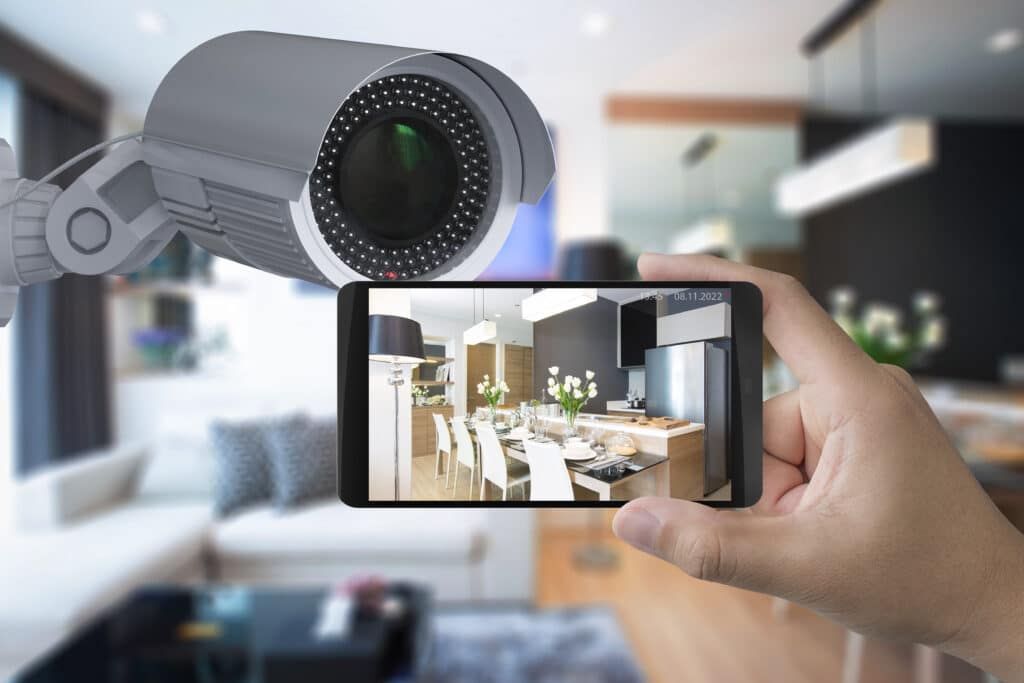
2. What Is a Security Camera System? (Featured Definition)
A security camera system is a set of connected cameras and recording equipment designed to monitor, record, and store video footage of a property. In Australia, these systems are commonly used to deter theft, support investigations, and provide real-time visibility for homes and businesses, either locally or remotely.
3. Types of Security Camera Systems Explained
Understanding camera types is critical before comparing brands or prices.
CCTV (Closed-Circuit Television)
Traditional CCTV systems use wired cameras connected to a DVR or NVR. These are common in retail stores, warehouses, and factories.
IP (Internet Protocol) Camera Systems
IP-based security camera systems send footage over a network, allowing higher resolution and remote access via apps.
Analog vs Digital
- Analog: Lower cost, simpler, but limited resolution
- Digital (IP): Higher clarity, smarter features, more scalable
Indoor vs Outdoor Cameras
Outdoor cameras in Australia should be weather-rated (IP66 or higher) and handle heat and dust.
4. How a Security Camera System Works (Step by Step)
Here’s a simplified checklist that reflects how most systems operate in practice:
- Cameras capture video continuously or via motion detection
- Footage is transmitted via cable or Wi-Fi
- A recorder (DVR/NVR) or cloud platform stores the video
- Users view live or recorded footage via monitor or mobile app
- Alerts are triggered based on predefined rules
This process sounds simple, but reliability depends heavily on proper camera placement and network quality.
5. Wired vs Wireless Security Camera Systems (Comparison Table)
| Feature | Wired System | Wireless System |
|---|---|---|
| Reliability | Very high | Depends on Wi-Fi |
| Installation | Professional recommended | Easier DIY |
| Video Quality | Consistent | Can fluctuate |
| Scalability | Moderate | High |
| Best for | Businesses, large sites | Homes, rentals |
In Australia, wired systems remain popular for commercial sites, while wireless systems dominate residential installs.
6. Key Features Australians Should Look For
When evaluating a security camera system, prioritise function over marketing terms.
Resolution
1080p is the minimum standard. Many Australian businesses now opt for 4MP or 4K cameras for identification clarity.
Night Vision
Infrared (IR) works well in total darkness, while colour night vision performs better in well-lit areas.
Motion Detection
Advanced systems use human or vehicle detection to reduce false alerts caused by pets or weather.
Remote Access
Mobile app access is essential, especially for FIFO workers or frequent travellers.
7. Internet, Storage, and Cloud Considerations
Local Storage
DVRs and NVRs store footage onsite. This avoids monthly fees and works even without internet.
Cloud Storage
Cloud-based systems rely on internet speed and ongoing subscriptions. In regional Australia, upload speeds can be a limiting factor.
The Australian Competition and Consumer Commission (ACCC) highlights that consumers should understand data usage and ongoing costs before committing to subscription-based services.
8. Costs of a Security Camera System in Australia
Prices vary widely depending on scale and quality.
- Basic home system (2–4 cameras): AUD $600–$1,500
- Mid-range home or small business: AUD $1,500–$3,500
- Commercial-grade systems: AUD $4,000+
These figures are indicative estimates only and depend on installation complexity and hardware selection.
9. Installation Options: DIY vs Professional
DIY Installation
Suitable for small wireless systems and tech-savvy users. However, poor placement often reduces effectiveness.
Professional Installation
Recommended for multi-camera setups, wired systems, or compliance-sensitive environments.
A professionally designed system ensures correct field of view, lighting management, and secure cabling.
10. Privacy, Data, and Compliance Considerations in Australia
In Australia, camera use must respect privacy obligations. While this is not legal advice, common administrative practices include:
- Avoiding recording public footpaths unnecessarily
- Not recording audio without consent
- Displaying visible signage where cameras operate
The Office of the Australian Information Commissioner (OAIC) provides guidance on responsible surveillance use.
11. Real-World Use Cases
Residential Homes
Doorways, driveways, and side access points are priority zones.
Small Businesses
Retailers often focus on entrances, POS areas, and stockrooms.
Rural Properties
Long-range cameras and local storage are common due to limited internet.
12. Common Mistakes to Avoid
- Choosing cameras based on price alone
- Ignoring night-time performance
- Overlooking future expansion needs
- Assuming Wi-Fi coverage is sufficient everywhere
From experience, correcting these mistakes later usually costs more than doing it right initially.
13. People Also Ask (PAA)
How much does a security camera system cost in Australia?
Costs typically range from a few hundred dollars for basic home systems to several thousand for commercial installations, depending on features and scale.
Are security cameras legal in Australia?
Yes, when used responsibly. Cameras should avoid unnecessary recording of public or neighbouring private areas.
Do security camera systems need internet?
Not always. Many systems record locally, though internet is required for remote viewing.
Can security cameras deter crime?
Studies suggest visible cameras can reduce opportunistic crime, especially when combined with signage.
14. Expert Q&A (FAQs)
Q1: How long should footage be stored?
Most Australian users retain footage for 14–30 days, balancing storage costs with investigation needs.
Q2: Are wired systems more secure than wireless?
Wired systems are generally less vulnerable to interference, making them popular for businesses.
Q3: What camera angle works best?
A slightly downward angle covering faces, not just movement, is most effective.
Q4: Can systems integrate with alarms?
Yes, many modern systems integrate with alarms and access control platforms.
Q5: How often should systems be maintained?
A basic annual check ensures cameras remain aligned, clean, and functional.
15. Conclusion & Next Steps
Choosing the right security camera system in Australia is about understanding your environment, risks, and long-term needs not chasing the latest feature. A well-planned system delivers clarity, reliability, and peace of mind without unnecessary complexity.
If you’re exploring professional-grade solutions tailored for Australian conditions, you can learn more about custom-designed security camera systems for homes and businesses at Eclipse Security’s Australian security solutions. Taking the time to plan now will save you money, frustration, and risk in the future.