


Smoke Cloak Alarm: The Complete Australian Guide to How It Works, Why It Matters, and When to Use It
Table of Contents
- Introduction
- What Is a Smoke Cloak Alarm? (Featured Definition)
- Why Smoke Cloak Alarms Matter in Australia
- How a Smoke Cloak Alarm Works Step by Step
- Smoke Cloak Alarm vs Traditional Smoke Alarms
- Where Smoke Cloak Alarms Are Commonly Used in Australia
- Installation, Maintenance, and Operational Considerations
- Compliance, Standards, and Administrative Considerations in Australia
- Benefits and Limitations of Smoke Cloak Alarms
- People Also Ask: Common Questions Australians Search
- Expert Q&A: In-Depth Answers
- Conclusion and Next Steps
1. Introduction
If you’re searching for a smoke cloak alarm, chances are you’re looking for more than a standard smoke detector. In Australia, businesses, warehouses, and high-risk environments increasingly use smoke cloak alarm systems to rapidly reduce visibility during emergencies or security events. From my experience working alongside security and fire professionals, these systems are often misunderstood, yet extremely effective when deployed correctly.
This guide is written specifically for an Australian audience searching Google for clear, factual, and practical information about smoke cloak alarm systems—without hype or exaggerated claims.
2. What Is a Smoke Cloak Alarm? (Featured Definition)
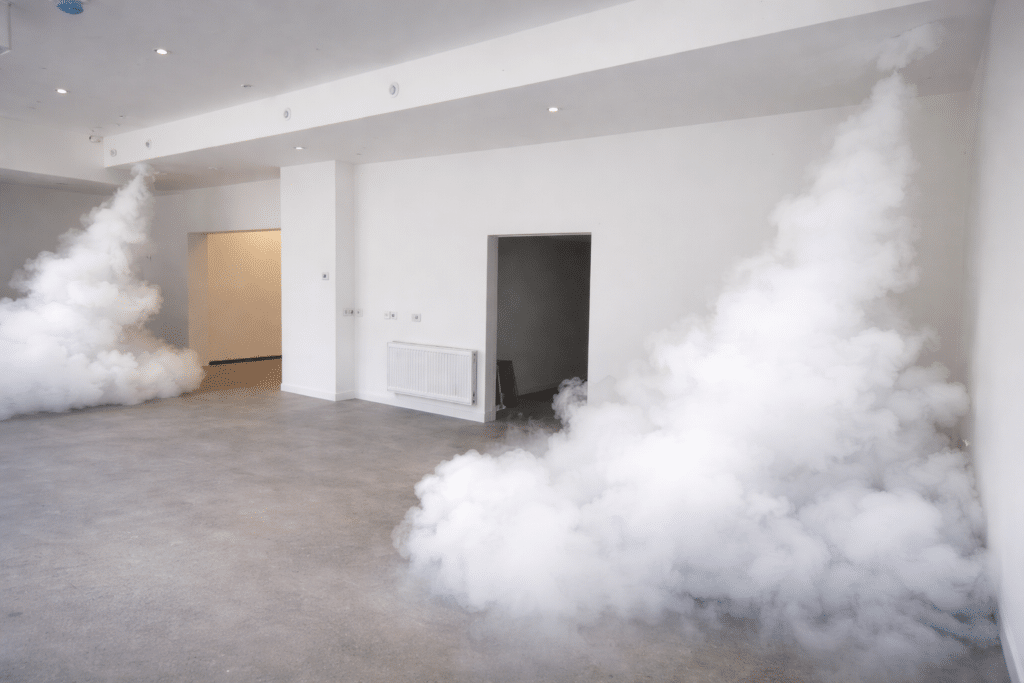
A smoke cloak alarm is a security and safety system that releases a dense, non-toxic fog when triggered by an alarm event, such as unauthorised entry or fire-related risk. Its purpose is to rapidly reduce visibility, helping protect people, property, and assets while supporting emergency response procedures.
3. Why Smoke Cloak Alarms Matter in Australia
Australia has strict fire safety expectations, diverse building types, and unique risk profiles—from retail shops and warehouses to remote facilities. Traditional alarms alert occupants, but they don’t physically change the environment. A smoke cloak alarm does.
In Australian conditions:
- Large open-plan buildings can be hard to secure.
- Response times may vary, especially in regional areas.
- Theft, arson, and after-hours incidents remain a concern.
According to the Fire Protection Association Australia, layered fire and security systems significantly improve risk management outcomes when designed appropriately. Smoke cloak alarms are one such layer, complementing—not replacing—standard fire detection.
4. How a Smoke Cloak Alarm Works Step by Step
Although often associated with “smoke,” the output is actually a dry fog or vapour, not combustion smoke.
Typical Process:
- Trigger Event: Alarm activation via intrusion detection, panic button, or integrated system.
- Signal Verification: Control panel confirms activation parameters.
- Fog Deployment: The smoke cloak alarm releases dense fog within seconds.
- Visibility Reduction: Visibility drops to near zero, discouraging movement.
- System Reset: After ventilation, the system is reset and checked.
Key Characteristics:
- Non-toxic and residue-free
- Safe for electronics (when compliant models are used)
- Designed for temporary deployment
5. Smoke Cloak Alarm vs Traditional Smoke Alarms
| Feature | Smoke Cloak Alarm | Traditional Smoke Alarm |
|---|---|---|
| Primary Purpose | Security & environmental control | Fire detection |
| Visibility Impact | Rapid reduction | None |
| Activation | Alarm/security event | Smoke/heat |
| Typical Use | Commercial, high-risk sites | Residential & commercial |
| Deterrence Factor | High | Low |
Importantly, smoke cloak alarms are not a replacement for fire detection systems required under Australian Standards.
6. Where Smoke Cloak Alarms Are Commonly Used in Australia
From firsthand observations, smoke cloak alarm systems are most common in:
- Retail stores with high-value goods
- Warehouses and logistics centres
- Data centres and server rooms
- Commercial offices with sensitive assets
- Industrial facilities
They are often paired with CCTV, access control, and monitored alarms for a comprehensive solution. Providers such as Australian security integrators frequently deploy them as part of broader risk strategies, including solutions outlined by specialists like those at Eclipse Security’s integrated protection systems.
7. Installation, Maintenance, and Operational Considerations
Installation Checklist (Best Practice)
- Site risk assessment
- Fog density calculation
- Integration with existing alarms
- Controlled activation zones
- Staff awareness briefing
Maintenance Considerations
- Annual system checks
- Fog cartridge replacement (as per manufacturer guidance)
- Control panel testing
According to guidance aligned with Standards Australia, all alarm-related systems should be documented, tested, and reviewed periodically as part of general safety administration.
8. Compliance, Standards, and Administrative Considerations in Australia
Smoke cloak alarms fall into a grey area between security and fire safety. They are not fire alarms, but they must not interfere with evacuation procedures.
Administratively:
- They should be documented in building safety plans
- Staff should be informed of their purpose
- Local fire authorities may need notification during commissioning
For general fire safety frameworks, Fire and Rescue NSW outlines best-practice guidance for alarm systems and emergency preparedness here.
Note: This is administrative guidance only, not legal advice. Always consult licensed professionals.
9. Benefits and Limitations of Smoke Cloak Alarms
Benefits
- Immediate incident disruption
- Reduced theft and asset loss
- Non-harmful deployment
- Strong psychological deterrent
Limitations
- Not suitable for all environments
- Requires proper training
- Misuse can cause confusion if poorly integrated
Balanced implementation is critical. From experience, systems work best when users fully understand their role.
10. People Also Ask: Common Questions Australians Search
Are smoke cloak alarms legal in Australia?
Yes, when installed responsibly and not interfering with fire evacuation systems. They must complement existing safety measures.
Is the fog from a smoke cloak alarm safe to breathe?
Approved systems use non-toxic fog, considered safe for short-term exposure.
Do smoke cloak alarms trigger fire alarms?
They can if improperly integrated. Professional configuration prevents false activations.
Can smoke cloak alarms be used in offices?
Yes, especially after-hours, provided staff are informed and trained.
How long does the fog last?
Typically 10–60 minutes, depending on ventilation and system settings.
11. Expert Q&A: In-Depth Answers
Q1: Can a smoke cloak alarm replace CCTV?
No. It works best alongside CCTV by limiting intruder movement while cameras capture events.
Q2: Are smoke cloak alarms suitable for warehouses?
Yes, particularly where high-value stock is stored and response times may be delayed.
Q3: Will the fog damage electronics?
Certified systems are designed to be dry and residue-free, safe for electronics when used correctly.
Q4: How quickly does a smoke cloak alarm deploy?
Most systems deploy within seconds of activation, which is critical during incidents.
Q5: Is staff training required?
Absolutely. Staff awareness ensures safety and prevents panic or misuse.
12. Conclusion and Next Steps
A smoke cloak alarm is not just a security gimmick—it’s a practical, proven tool when used correctly in Australian environments. By understanding how it works, where it fits, and its limitations, businesses can make informed decisions that improve safety and resilience.
If you’re considering integrating a smoke cloak alarm into your broader security strategy, speak with experienced professionals who understand Australian conditions and compliance expectations. Learn more about integrated security solutions and practical system design through trusted providers like Eclipse Security, and take the next step toward a safer, more secure environment.