

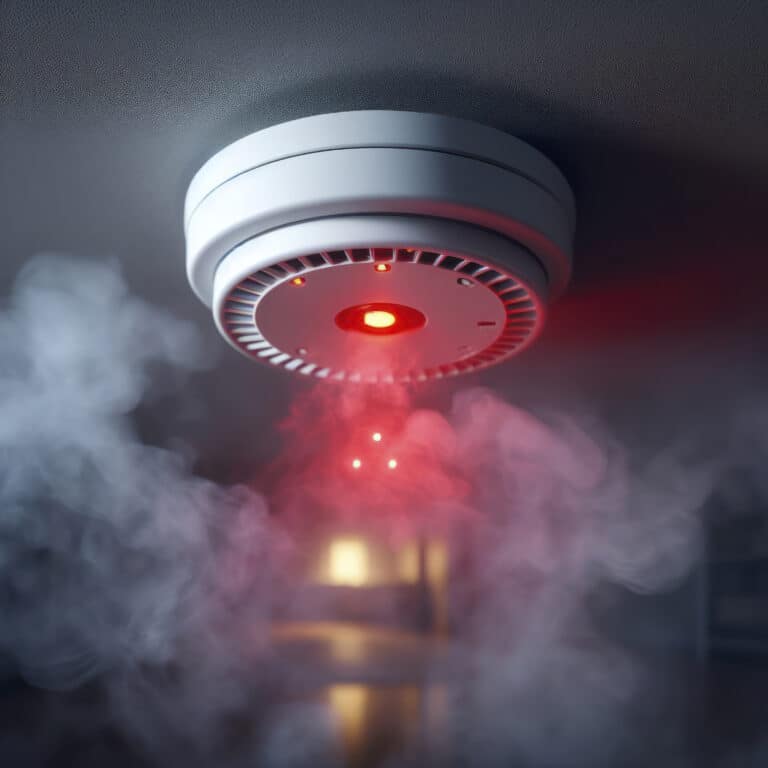
Smoke Cloak Security Device in Australia: A Practical, Experience-Led Guide
Table of Contents
- Introduction: Why Australians Are Searching for Smoke Cloak Security Devices
- Featured Definition: What Is a Smoke Cloak Security Device?
- How a Smoke Cloak Security Device Works (Step by Step)
- Why Smoke Cloak Security Devices Are Growing in Australia
- Real Australian Use Cases: Retail, Warehouses, and Critical Assets
- Smoke Cloak Security Device vs Traditional Alarms (Comparison Table)
- Installation and Integration in Australia
- Compliance, Standards, and Safety Considerations (Australia Context)
- Costs, Maintenance, and ROI for Australian Businesses
- Common Myths and Misunderstandings
- People Also Ask: Smoke Cloak Security Device (Australia)
- Choosing the Right Smoke Cloak Security Device: A Practical Checklist
- Expert Q&A: Advanced Questions Australians Ask
- Conclusion and Next Steps
1) Introduction: Why Australians Are Searching for Smoke Cloak Security Devices
If you’re researching a smoke cloak security device, you’re likely concerned about smash-and-grab thefts, after-hours break-ins, or organised retail crime—issues many Australian businesses face today. From my experience working with commercial security systems across Australia, interest in active crime-prevention technologies has surged as criminals move faster and target higher-value goods.
Traditional alarms alert authorities, but they don’t physically stop offenders. A smoke cloak security device changes that dynamic by denying visibility inside seconds. This article explains how it works, why it’s relevant in Australia, and how to assess whether it’s right for your site—without hype, guarantees, or legal advice.
2) Featured Definition: What Is a Smoke Cloak Security Device?
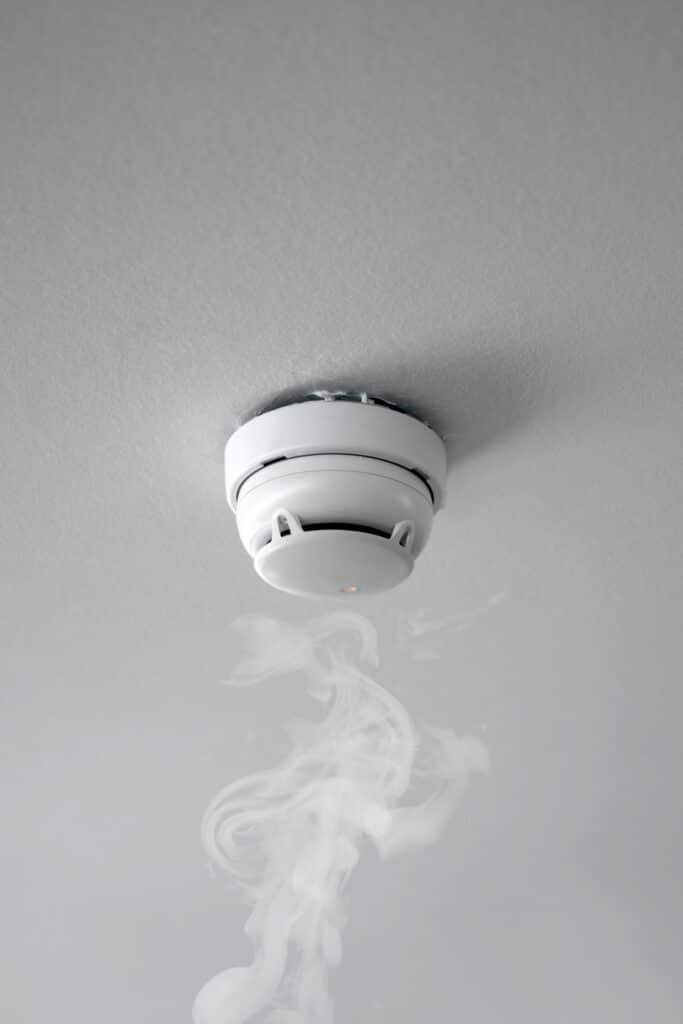
A smoke cloak security device is an electronic security system that releases a dense, non-toxic fog within seconds of an intrusion, reducing visibility to near zero. By disorienting intruders and preventing access to assets, it helps stop theft in progress rather than only reporting it after the fact.
3) How a Smoke Cloak Security Device Works (Step by Step)
Understanding the “why” behind the technology helps explain why it’s effective.
- Intrusion Detection Trigger
The smoke cloak security device connects to motion sensors, door contacts, or alarm panels. Once an intrusion is verified, the system activates automatically. - Rapid Fog Deployment
A specialised fluid is heated and vaporised, expanding rapidly into thick fog. Within 5–10 seconds, visibility can drop below 30 cm. - Visibility Denial, Not Harm
The fog does not incapacitate or harm intruders. Instead, it removes their ability to see exits, goods, or security controls. - Crime Interruption Window
Police response still matters, but the key advantage is immediate disruption. Criminals often flee within seconds because theft becomes impossible.
From my experience, this immediacy is what differentiates smoke cloak security devices from alarms alone.
4) Why Smoke Cloak Security Devices Are Growing in Australia
Several Australia-specific factors drive adoption:
- Increase in rapid commercial burglaries
Australian police reporting shows organised groups can clear a store in under two minutes. According to crime prevention guidance from Crime Stoppers Australia, layered security that delays offenders is critical. - High-value retail concentration
Jewellery, electronics, and pharmacy retailers are common targets in Australian CBDs and suburban centres. - Insurance pressure
While not an insurance guarantee, insurers increasingly recognise visibility-denial systems as part of risk-reduction strategies (always confirm with your provider). - Workplace safety expectations
Australian employers prioritise staff safety. A smoke cloak security device can reduce confrontations during after-hours intrusions.
5) Real Australian Use Cases: Retail, Warehouses, and Critical Assets
Retail Stores
From my experience, retail stores benefit most when smoke cloak security devices are paired with monitored alarms. In a break-in scenario, offenders can’t identify high-value display cabinets before fog fills the space.
Warehouses and Distribution Centres
Warehouses often have large floor areas. Properly designed systems use multiple emitters to ensure coverage, especially around loading bays and cages.
Critical Infrastructure and Offices
Data rooms, cash handling areas, and sensitive records rooms use smoke cloak security devices as a last-line defence where physical barriers alone aren’t enough.
6) Smoke Cloak Security Device vs Traditional Alarms
| Feature | Smoke Cloak Security Device | Traditional Alarm System |
|---|---|---|
| Response Type | Active (stops crime) | Reactive (alerts only) |
| Time to Effect | Seconds | Minutes (police response) |
| Intruder Deterrence | Very high | Moderate |
| Visibility Impact | Near zero | None |
| Standalone Solution | No (part of layered security) | Often yes |
This comparison highlights why many Australian businesses now combine both.
7) Installation and Integration in Australia
Professional Installation Matters
A smoke cloak security device must be professionally installed to ensure:
- Correct fog density for room size
- Safe placement away from HVAC interference
- Reliable integration with existing alarm panels
Integration Options
Most systems integrate with:
- Grade 2–3 alarm systems common in Australia
- Back-to-base monitoring services
- Access control and CCTV for verification
For Australian businesses exploring professional integration and system design, providers like Eclipse Security’s smoke security solutions typically assess site layout, risk profile, and operational hours before recommending deployment.
8) Compliance, Standards, and Safety Considerations (Australia Context)
This section is informational, not legal advice.
- Fog safety
Reputable systems use non-toxic, food-grade fluids designed to meet international safety standards. According to guidance aligned with Standards Australia, safety documentation and material data sheets should always be available. - Fire systems compatibility
Smoke cloak security devices are not fire suppression systems. Integration planning ensures they don’t interfere with fire detection or evacuation procedures. - Workplace policies
Australian businesses should document procedures so staff understand the system is intrusion-only, not used during normal occupancy.
9) Costs, Maintenance, and ROI for Australian Businesses
Typical Cost Components
- Equipment and emitters
- Professional installation
- Integration with monitoring
- Periodic servicing and fluid replacement
Costs vary widely by site size. From my experience, businesses evaluate ROI not just on asset value, but on avoided downtime, repairs, and insurance excesses.
Maintenance Expectations
Most systems require:
- Annual inspection
- Fog fluid replacement after deployment
- Software and firmware checks
10) Common Myths and Misunderstandings
“It’s dangerous to breathe.”
False. Approved fog fluids are designed to be non-toxic when used as directed.
“It replaces alarms and CCTV.”
No. A smoke cloak security device works best as part of layered security.
“Police won’t respond.”
Police response protocols remain unchanged; the device simply buys time.
11) People Also Ask: Smoke Cloak Security Device (Australia)
Is a smoke cloak security device legal in Australia?
Yes, when installed correctly and used for intrusion prevention. Businesses should follow safety guidance and internal procedures.
Does a smoke cloak security device trigger fire alarms?
Properly installed systems are designed to avoid false fire activations, but integration planning is essential.
Can it be used during business hours?
Typically no. These systems are configured for after-hours or armed states only.
How fast does the fog deploy?
Most systems reach full density within 5–10 seconds after activation.
Is it suitable for small shops?
Yes. Many small Australian retailers use compact units for high-value areas.
12) Choosing the Right Smoke Cloak Security Device: A Practical Checklist
- Assess your highest-risk areas
- Confirm compatibility with existing alarms
- Verify fog fluid safety documentation
- Plan emitter placement professionally
- Train staff on procedures and signage
- Review insurance implications (administrative, not advice)
13) Expert Q&A: Advanced Questions Australians Ask
How does HVAC affect fog performance?
Airflow can disperse fog faster. System design accounts for vents and air returns.
Can multiple rooms be protected separately?
Yes. Zoned systems allow selective deployment.
What happens after activation?
The fog dissipates naturally over time or with ventilation. Cleanup is minimal.
Does it damage electronics or stock?
No residue is left when systems are maintained correctly.
Is signage required?
While not always mandatory, warning signage is considered best practice in Australia.
14) Conclusion and Next Steps
A smoke cloak security device is not about fear—it’s about control. For Australian businesses facing fast, organised break-ins, visibility denial can be the difference between loss and prevention. When combined with alarms, monitoring, and good procedures, it offers a practical, experience-backed layer of protection.
If you’re considering whether this technology fits your site, the next step is a professional assessment focused on layout, risk, and integration—not sales hype. Explore tailored smoke security solutions through trusted Australian providers and ensure any system is designed with safety, compliance, and real-world effectiveness in mind.